 listicle
Best Hardwood Flooring Installation Companies
Table of Contents
- What to Look for in a Hardwood Flooring Installation Company
- How to Choose a Flooring Installer That Fits Your Project
- Hardwood Floor Installation Warranty: What Coverage Actually Means
- Understanding Hardwood Floor Installation Cost and What Affects Pricing
- Evaluating Hardwood Floor Installer Reviews and Ratings
- Solid vs. Engineered Hardwood: Installation Differences That Matter
- Installation Methods, Timelines, and Project Management
- Licensing, Insurance, and Workmanship Guarantees
- Frequently Asked Questions
Last Updated: October 16, 2026
What to Look for in a Hardwood Flooring Installation Company
Choosing the right hardwood flooring installation company can mean the difference between a floor that lasts decades and one that develops problems within months. At Freddie Sanchez Hardwood Floors, we know homeowners need a partner who communicates clearly, delivers quality craftsmanship, and stands behind the work long after the project ends.
The best hardwood flooring installation companies share core traits: proper licensing and insurance, transparent pricing and detailed estimates, clear explanations of solid versus engineered options, and written warranties covering both materials and labor.
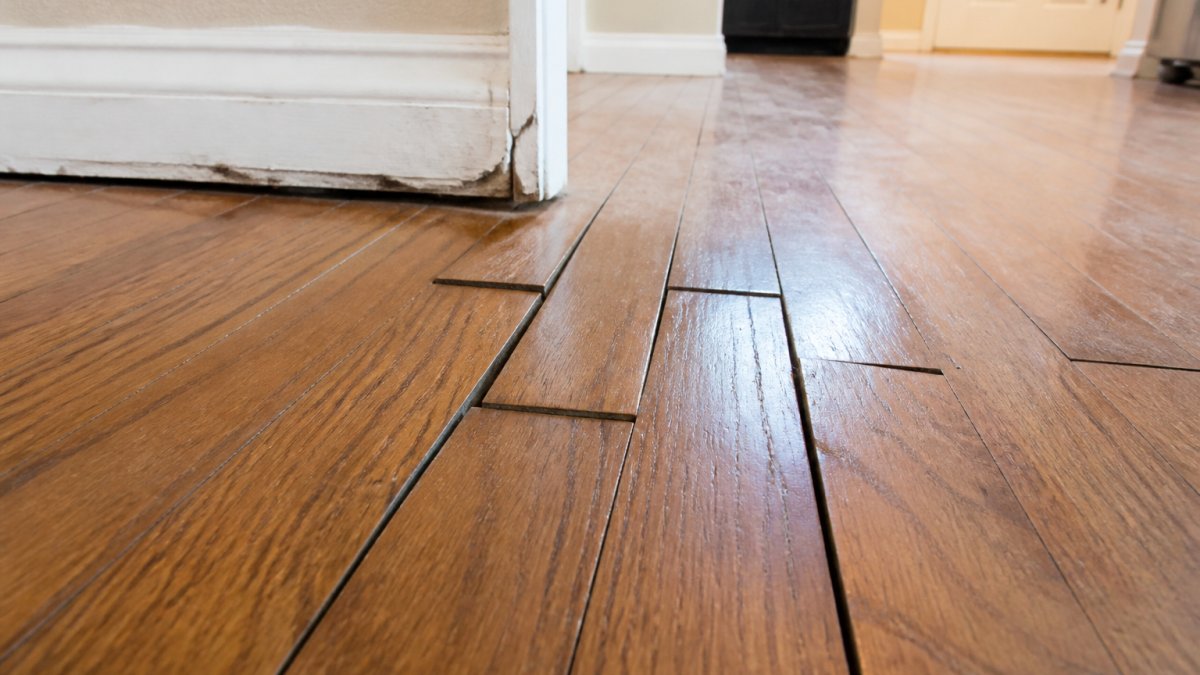
When evaluating flooring installers, ask about their experience with your flooring type and subfloor condition. A company that rushes the assessment or skips moisture testing is cutting corners. Gaps, squeaks, and uneven surfaces are signs of poor workmanship that become expensive problems later.
How to Choose a Flooring Installer That Fits Your Project
The flooring installer you select should match your project's scope and timeline.
Request quotes from multiple flooring companies, but don't choose on price alone. A low estimate often signals cut corners.
Ask each installer for references from recent projects, then call those homeowners about communication, schedule, and post-completion issues. Willingness to provide references is itself a positive signal.
Schedule a free in-home consultation with your top candidates. Do they ask about your home's moisture history, lifestyle, and aesthetic preferences?
Hardwood Floor Installation Warranty: What Coverage Actually Means
A warranty is only as good as the company behind it, and many homeowners misunderstand what installation warranties cover.
A typical installation warranty covers workmanship defects for one to five years: improper subfloor prep, incorrect acclimation, or bad installation.
This matters because many hardwood floor problems stem from moisture, not installation mistakes.
Ask for a written warranty specifying coverage, duration, and what voids it. Some require specific refinishing methods or cleaning products, so read the fine print. The best warranties are straightforward with no hidden restrictions.
Understanding Hardwood Floor Installation Cost and What Affects Pricing
"Costs vary" is useless when three quotes differ by thousands. Here is the cost structure to expect itemized on a hardwood flooring estimate, and the variables that move each line.
Typical line items on a hardwood installation estimate
- Materials (hardwood itself): Sold by the square foot. Budget-friendly domestic species like red oak are available, while premium exotics and wide-plank European white oak can also be considered. Always add 5-10 percent for waste and cutoffs.
- Labor (installation): Usually quoted per square foot. Nail-down and staple-down installs are common, with glue-down and herringbone or chevron patterns requiring more specialized labor.
- Old flooring removal and disposal: Often $1-$3 per square foot, more if the existing floor is glued down, set in thinset, or contains tile.
- Subfloor preparation and leveling: Patching compound, plywood overlayment, or self-leveling underlayment can add $1-$4 per square foot depending on how far out of flat the subfloor is.
- Moisture testing and mitigation: A calcium chloride or in-situ probe test is inexpensive, but if readings are high you may need a vapor retarder, a moisture barrier, or a dehumidification period before installation can start.
- Trim, transitions, and stairs: Baseboard removal and reinstall, stair nosings, and transitions to tile or carpet are frequently quoted separately. Stairs are typically priced per step, not per square foot, because of the labor involved.
- Finishing (if installing unfinished wood): Sanding, staining, and applying finish is a separate scope from installation and is usually quoted per square foot on top of the install.
What actually moves the number
- Square footage and layout complexity. A single open room is the cheapest configuration. Every doorway, closet, angle, and transition adds labor. Herringbone, chevron, and bordered designs can add 30-50 percent to labor versus a straight lay.
- Subfloor condition. A flat, dry plywood subfloor is ideal. A wavy concrete slab, a squeaky older subfloor, or one with prior water damage will require prep work that shows up as a separate line.
- Solid vs. engineered. Solid hardwood generally costs more to install because it demands longer acclimation and, over concrete, a plywood sleeper system. Engineered can be glued or floated directly over properly prepped concrete, which often reduces prep cost.
- Region and season. Labor rates track local cost of living, and demand spikes in spring and early fall when homeowners plan renovations. Booking in a slower window can sometimes shave the labor line.
- Access and staging. Third-floor walk-ups, tight parking, and long carries add time. Ask whether the quote assumes easy access.
How to compare quotes apples-to-apples
Ask every installer to break the estimate into the line items above. If one quote is dramatically lower, look for what is missing: no removal, no moisture test, no trim, no waste allowance, or a labor rate that assumes a helper will not be on site.
Also confirm what happens if the subfloor turns out worse than expected. A reputable installer will define a change-order process in writing so surprises are priced before work continues, not after.
Evaluating Hardwood Floor Installer Reviews and Ratings
Customer reviews reveal patterns single conversations cannot. Consistently high ratings across platforms usually reflect reliable work and communication.
Why Review Platforms Matter
Google, Yelp, and Houzz aggregate verified customer feedback, making it more trustworthy than unverified website testimonials. Look for specific details rather than generic praise: a review describing how the installer handled a moisture problem beats "great work."
Watch how the company responds to negative reviews. A professional acknowledges legitimate complaints and explains the resolution; dismissing criticism or staying silent suggests customer satisfaction isn't a priority.
Red Flags in Installer Feedback
Watch for patterns: multiple customers reporting an installer who disappeared mid-project, didn't communicate delays, or left jobs incomplete is a serious warning. Reviews mentioning squeaking, gaps, or cupping shortly after installation suggest poor moisture or subfloor handling.
Be skeptical of companies with few or no reviews. Established installers accumulate feedback over years. Dozens of five-star reviews with zero criticism is statistically unlikely; mostly positive reviews with a few honest criticisms are more credible.
Solid vs. Engineered Hardwood: Installation Differences That Matter
Most guides compare solid and engineered hardwood as products. The more useful comparison is as installation systems, because construction type determines which subfloors, methods, and rooms are viable in your home.
The construction difference, in one paragraph
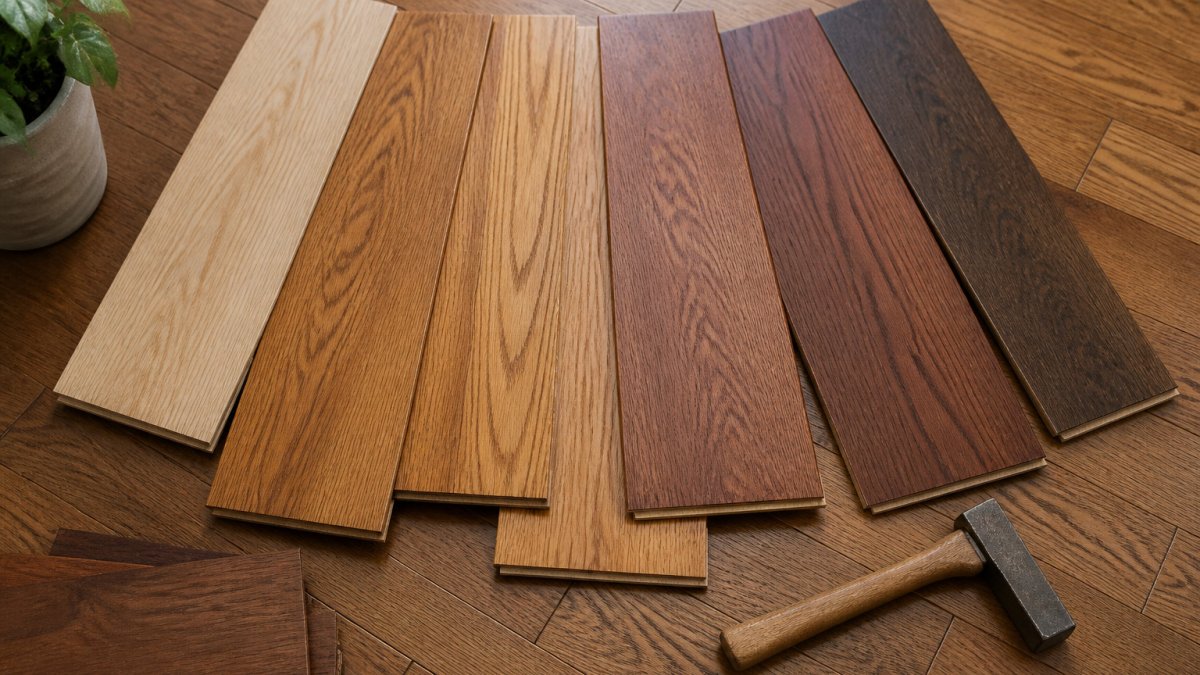
Solid hardwood is a single piece of wood, typically 3/4 inch thick, milled from one species. Engineered hardwood is a real hardwood wear layer (often 2-6 mm) bonded to a plywood or high-density fiber core. That cross-ply core is what resists the seasonal expansion and contraction that makes solid wood move.
What that means for installation
| Factor | Solid Hardwood | Engineered Hardwood |
|---|---|---|
| Subfloor | Wood subfloors only (or plywood sleepers over concrete) | Wood or concrete |
| Common methods | Nail-down, staple-down | Glue-down, floating, nail-down |
| Acclimation | Longer, often 3-7 days in the room | Shorter, sometimes 24-72 hours |
| Below-grade (basement) | Not recommended | Suitable if the slab is dry and prepped |
| Over radiant heat | Usually not recommended | Often compatible if the manufacturer approves |
| Refinish cycles | 3-5+ times over its life | 1-3 times, limited by wear-layer thickness |
| Thickness | Typically 3/4 inch | Typically 3/8 to 3/4 inch |
Where each type actually works
- Solid hardwood is the right call for above-grade living rooms, dining rooms, and bedrooms over a wood subfloor where you want the longest possible refinish life and the most authentic feel underfoot. It is a poor fit for basements, slab-on-grade rooms, and bathrooms.
- Engineered hardwood is the right call for basements, ground-floor slabs, kitchens, and any space where humidity swings are wider than a wood subfloor can tolerate. It is also the practical choice when you want the look of a wide plank, since wide solid planks are more prone to movement.
The installation trade-offs nobody mentions
- Acclimation is not optional for either type. Solid wood needs to reach equilibrium with your home's indoor humidity before it is nailed down. Engineered needs less time but still needs to be brought to room conditions. A company that skips acclimation is gambling with your floor.
- Moisture testing applies to both. Even engineered hardwood over a concrete slab needs a moisture test. The core resists movement, it does not resist a wet slab.
- Method compatibility is not interchangeable. You cannot nail solid 3/4-inch hardwood into a concrete slab without a sleeper system. You can float many engineered products, but only if the subfloor is flat within the manufacturer's tolerance, often 3/16 inch over 10 feet.
- Warranty language differs. Solid and engineered products carry different finish and structural warranties, and installation warranties may exclude certain subfloor types. Read both the product warranty and the workmanship warranty before you commit.
How to use this when vetting installers
Ask each candidate which construction type they recommend for your specific room and why. A strong answer references your subfloor material, your moisture readings, and the manufacturer's installation instructions. A weak answer defaults to whichever product they stock. The best hardwood flooring installation companies will walk you through the trade-offs and put the recommendation in writing before you sign.
Installation Methods, Timelines, and Project Management
Hardwood flooring uses three main installation methods: nail-down, glue-down, and floating. Each has different timelines and subfloor suitability.
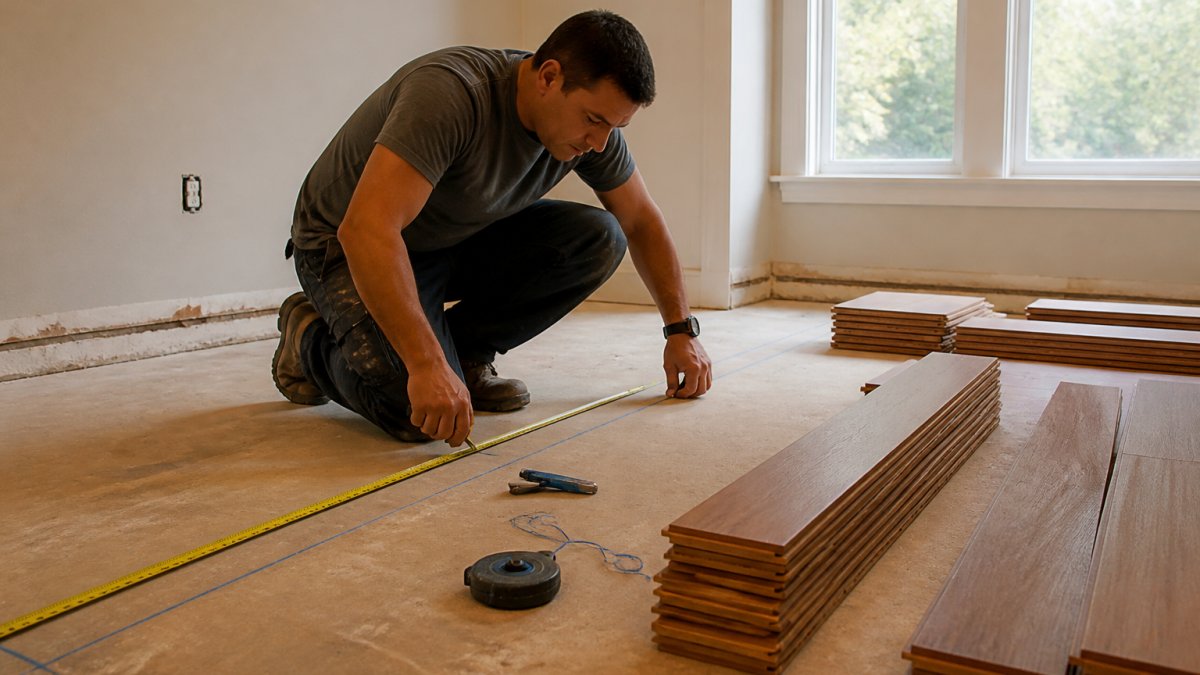
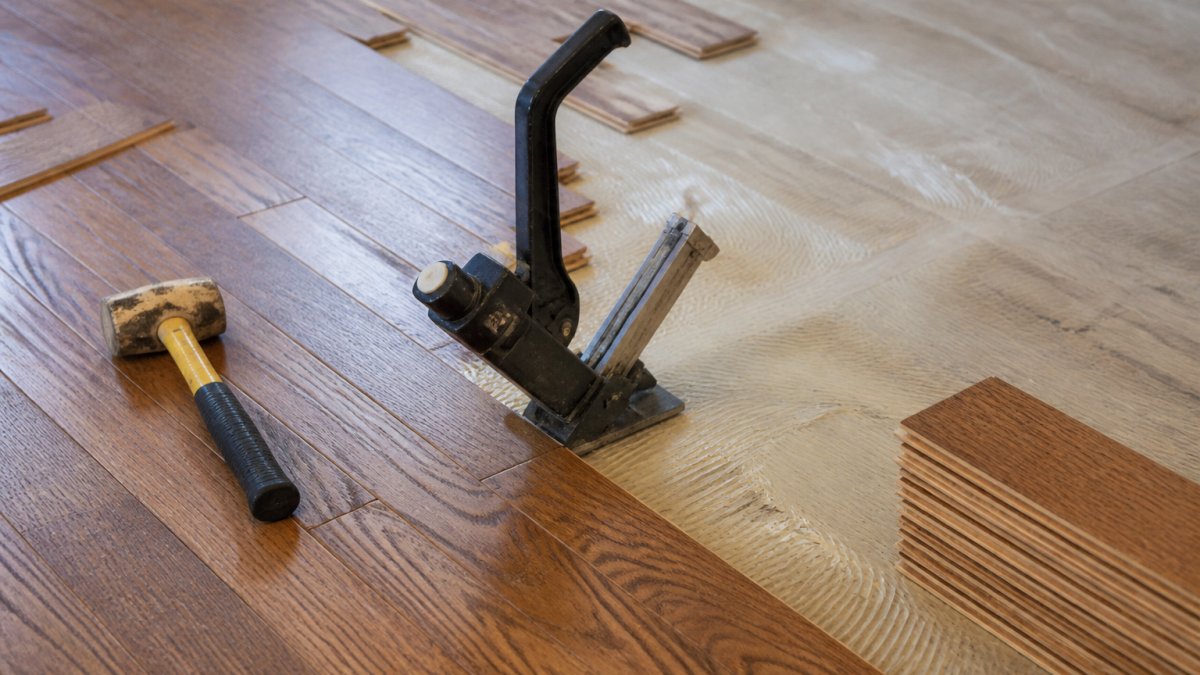
Nail-down is the most traditional method and works best over wooden subfloors, fastening boards with nails or staples.
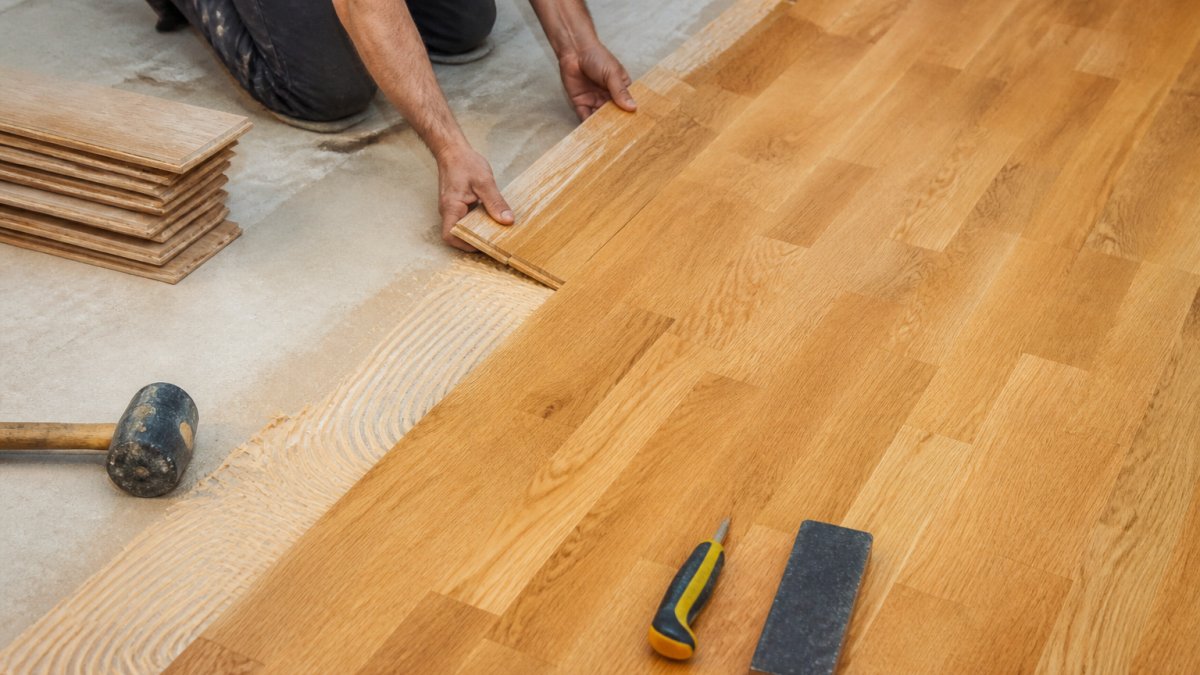
Glue-down bonds hardwood directly to the subfloor with adhesive and works over concrete, common in basements or ground-level rooms.
Floating, common with engineered hardwood, lays boards unfastened to the subfloor.
Licensing, Insurance, and Workmanship Guarantees
Before hiring a flooring installer, verify they hold the licenses your state requires. Most states require contractors to be licensed above a certain contract value.
Insurance matters equally.
A workmanship guarantee is the installer's promise to fix problems caused by improper installation, unlike a product warranty covering defects in the hardwood itself.
Selecting a hardwood flooring installation company means balancing licensing and insurance, transparent communication about costs and timelines, proven experience with your flooring type, and honest warranties.
Frequently Asked Questions
How much should I expect to pay for hardwood flooring installation?
Hardwood floor installation cost depends on several factors: the size of your space, the type of hardwood (solid versus engineered), site conditions like moisture levels, and whether the installer must remove or repair existing flooring first. Pricing also varies by region and installer experience. Contact Freddie Sanchez Hardwood Floors or other local installers for a free estimate based on your specific project rather than relying on generic price ranges.
What should a hardwood floor installation warranty actually cover?
A solid hardwood floor installation warranty should cover defects in workmanship, such as improper nailing, gaps, or squeaks caused by installation error. It typically does not cover natural wood movement, moisture damage from external sources, or normal wear. Engineered hardwood warranties may differ. Always ask your installer to clarify what is and isn't covered, the warranty duration, and whether it transfers if you sell your home. Request the warranty in writing before work begins.
How can I tell if a hardwood floor installer is actually qualified?
Ask whether the installer is licensed and insured, which protects you if someone is injured on your property. Request references from recent projects and ask to see photos of completed work. Verify membership in industry associations. Ask about their experience with your specific hardwood type and any moisture or structural challenges in your home. A qualified installer will be willing to discuss their process, answer your questions, and provide a detailed written estimate before starting work.
What's the difference between solid and engineered hardwood installation?
Solid hardwood is nailed directly to the subfloor and can be sanded and refinished multiple times. Engineered hardwood has a veneer layer over plywood and is often glued down, making it more stable in humid or variable-moisture environments like basements. Engineered hardwood typically cannot be refinished as many times. Your installer should recommend the right type based on your home's moisture conditions, existing subfloor, and long-term plans for the space.