 listicle
9 Best Wood Species for Hardwood Flooring Compared
Quick Summary
The best wood species for hardwood flooring depends on the room, but red oak and white oak are the most popular choices because they balance cost, availability, and wear. Hickory and maple are harder and better suited to high-traffic areas, while walnut and cherry are chosen mainly for appearance.
- Red oak and white oak balance cost, availability, and wear for most households.
- Hickory offers very high hardness and its bold grain hides wear well.
- Maple is harder than most oaks but shows scratches and dust more readily.
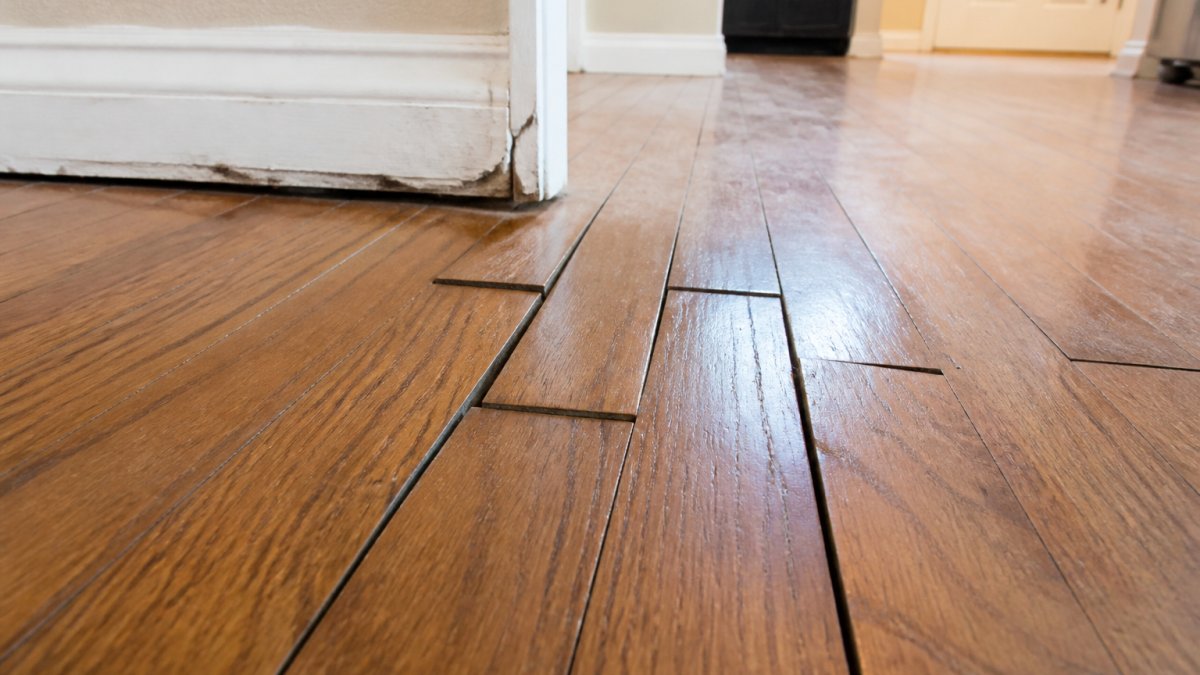
- Solid hardwood is sensitive to moisture, so basements and bathrooms need extra planning.
- Walnut and cherry suit lower-traffic rooms, and cherry darkens as it ages.
Table of Contents
- How Hardwood Species Are Compared for Flooring
- Feature Comparison Table: Hardwood Flooring Species at a Glance
- Red Oak and White Oak: The Most Popular Choices
- Oak vs. Maple Hardwood Flooring: Which Holds Up Better
- Hickory Hardwood Flooring Pros and Cons
- Best Hardwood Flooring for High-Traffic Areas
- Walnut, Cherry, and Exotic Options: Appearance and Cost Trade-Offs
- Choosing Your Floor and Booking a Free Quote with Freddie Sanchez Hardwood Floors
- Frequently Asked Questions
How Hardwood Species Are Compared for Flooring
Last Updated: November 2, 2026
Choosing the best wood species for hardwood flooring comes down to four things: hardness, grain, color, and how the floor will be used. Freddie Sanchez Hardwood Floors can help homeowners work through these trade-offs before a single board is cut. Hardwood flooring is any wood floor made from a solid species, and each species behaves differently under foot traffic, humidity, and sunlight.
We compare species on the criteria that actually affect daily life: hardness as measured on the Janka scale, how the grain and color hide wear, how the wood responds to finish and stain, and what it costs in material.
Our pick for most households is red oak or white oak, because they balance cost, availability, and wear. That said, the right answer depends on the room. Here is how we break it down.
Watch out: Solid hardwood is sensitive to moisture. Basements and bathrooms need extra planning regardless of species, so confirm the subfloor conditions before choosing a species.
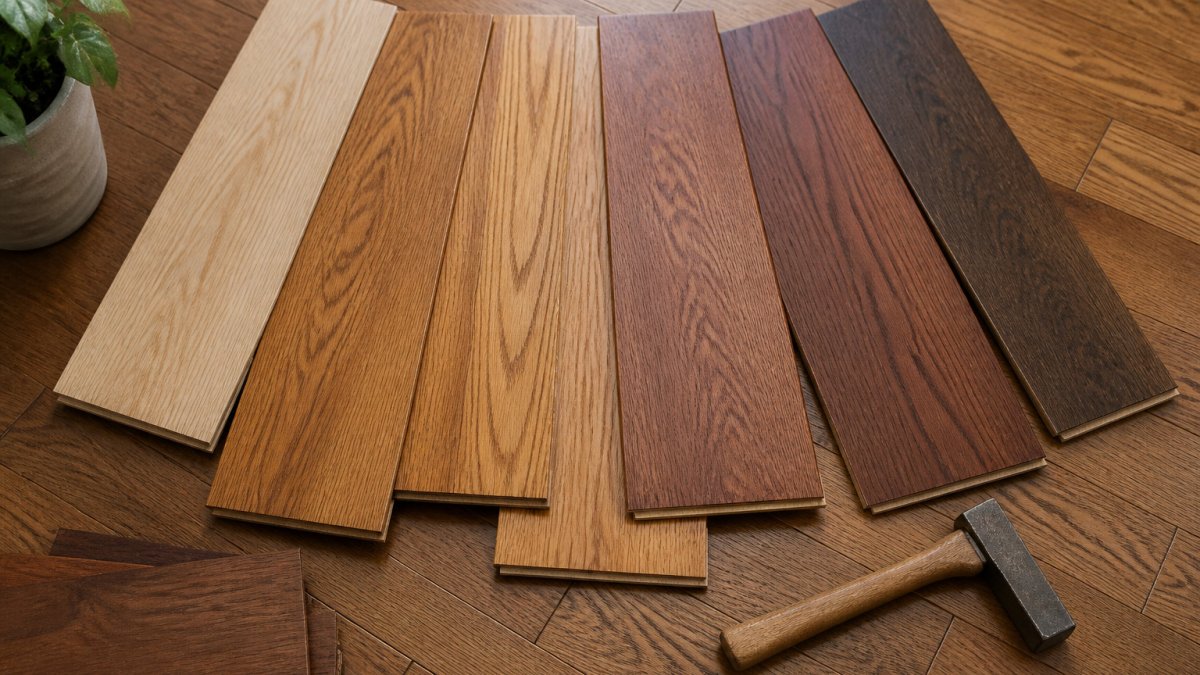
The comparison below covers nine species. Each one is judged on the same factors so you can compare them directly.
Feature Comparison Table: Hardwood Flooring Species at a Glance
Use this table to narrow your shortlist before reading the species-by-species breakdown.
| Species | Relative Hardness | Grain Pattern | Typical Color | Relative Material Cost |
|---|---|---|---|---|
| Red Oak | Moderate | Prominent, open grain | Warm reddish-brown | Low to moderate |
| White Oak | Moderate to high | Straight, tight grain | Light to medium brown | Low to moderate |
| Hickory | High | Bold, varied grain | Creamy to reddish | Moderate to high |
| Maple | High | Fine, subtle grain | Pale, creamy white | Moderate |
| Walnut | Moderate | Rich, dramatic grain | Deep chocolate brown | High |
| Cherry | Moderate | Fine, even grain | Reddish-brown that deepens with age | Moderate to high |
| Birch | Moderate | Fine, subtle grain | Light, creamy tone | Low to moderate |
| Ash | Moderate to high | Pronounced grain | Light tan to brown | Moderate |
| Brazilian Cherry | Very high | Fine, uniform grain | Deep reddish-brown | High |
Relative cost is a general guide, since prices depend on grade, plank width, and finish. Confirm current pricing with us for your specific project.
Red Oak and White Oak: The Most Popular Choices
Red oak and white oak dominate American homes because they are widely available and easy to match with existing trim and cabinetry. Red oak has a more pronounced, open grain and warmer undertones.
Red oak shows its grain strongly, which hides minor scratches and dust well. It takes stain evenly and suits traditional homes. Its open grain can trap dirt, so a regular cleaning routine helps keep it looking fresh.
White oak is generally considered more tolerant of moisture than red oak and is a common pick for kitchens and open-plan spaces.
For most Bay Area homes, either oak is a safe default. Compare the two by room and lifestyle before deciding.
Oak vs. Maple Hardwood Flooring: Which Holds Up Better
Oak and maple are the two species homeowners ask about most, and they perform differently. Maple is harder than most oak varieties, which gives it an edge in resisting dents from furniture and pets. Oak, on the other hand, has a grain pattern that camouflages scratches better.
Maple's pale, uniform color is a strong choice for bright, contemporary rooms. The trade-off is that its fine grain shows scratches and dust more readily, and it can look uneven when stained, since it absorbs stain unevenly.
If you have pets or children, maple's hardness is a practical advantage. If you want a warmer look that hides everyday wear, oak is the better fit. Either way, plan on a finish that suits the traffic your floor will see.
Hickory Hardwood Flooring Pros and Cons
Hickory is one of the hardest domestic species available, and it is the species most often recommended when durability is the top priority. Its bold, varied grain and range of color, from creamy to reddish, give each board a distinct character.
Pros:
- Very high hardness, well suited to busy households
- Strong grain variation that hides wear
- Distinctive, rustic appearance
Cons:
- Higher material cost than oak
- Its color variation may not suit every design
- Can be more difficult to install than softer species
Hickory is a strong option if you want a floor that handles activity and has character. If you prefer a uniform, refined look, consider oak or maple instead.
Best Hardwood Flooring for High-Traffic Areas
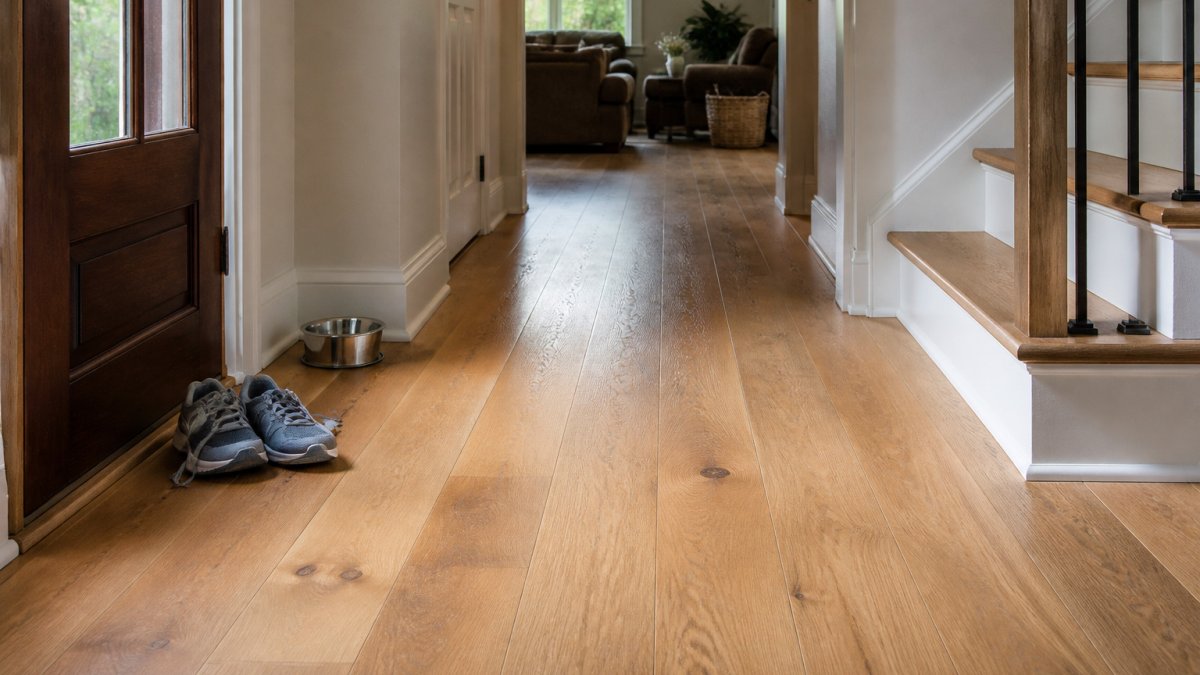
High-traffic rooms, hallways, entryways, kitchens, family rooms, and mudrooms, punish a floor in three ways: foot traffic grinds in grit, furniture and pets concentrate point loads, and spills plus humidity swing the boards. A species that wins on hardness alone can still fail here if the finish is wrong or the room stays damp. Match the species to the room, then match the finish to the traffic.
Start with Janka, but do not stop there. The Janka hardness test measures the force needed to embed a steel ball halfway into the wood; it is a useful screen, not a verdict. Commonly cited Janka ratings vary by source, sample, and test method, so treat them as relative guides rather than exact figures.
Room-by-room guidance:
- Entryways and hallways: Hickory or maple handle concentrated grit and point loads best. A factory-applied aluminum oxide finish or a site-finished commercial-grade polyurethane resists abrasion longer than a basic lacquer.
- Kitchens: White oak is a practical default for many homes. It is hard enough for daily use, tolerates occasional moisture better than red oak in general, and its tighter grain traps less debris. Wipe spills promptly; standing water is the enemy of any solid wood.
- Family rooms and playrooms: Maple's density resists dents from toys and furniture, but its fine grain shows scratches and dust. Hickory's bold grain hides wear better if you accept its color variation.
- Basements and bathrooms: Solid hardwood is a poor fit for consistently damp spaces regardless of species. If you must have wood below grade or in a wet room, engineered hardwood with a stable core and a moisture-tolerant finish is the realistic option, and even then, confirm subfloor moisture and ventilation first.
- Humid climates and seasonal swings: All solid wood expands and contracts with indoor humidity. Hickory and maple move more than white oak in many installations; white oak's tighter structure tends to be more dimensionally forgiving. Keep indoor relative humidity in a stable range, check the flooring manufacturer's guidance, and acclimate boards on site before installation.
Finish matters as much as species. A harder species with a soft finish will show wear sooner than a moderate species with a durable finish. For high-traffic homes, favor a factory-applied aluminum oxide finish or a site-finished polyurethane with a matte or satin sheen, gloss shows scratches and dust. Textured and wire-brushed surfaces camouflage wear but trap dirt, so plan on more frequent cleaning.
A reasonable approach for high-traffic areas: hickory for the toughest use and a rustic look, white oak for the best balance of durability, moisture tolerance, and value, and maple where a lighter, uniform floor is the design goal. Whatever you choose, budget for a quality finish and a stable indoor humidity range, those two decisions do more for real-world durability than the Janka number alone.
Walnut, Cherry, and Exotic Options: Appearance and Cost Trade-Offs
Walnut, cherry, and exotic species are chosen primarily for appearance, but the practical differences between them go beyond grain and color.
Walnut has a rich, dark grain that makes a strong design statement. It is softer than hickory or maple, so it dents more readily under concentrated loads, high heels, dropped tools, heavy furniture legs.
Cherry starts light and deepens to a warm reddish-brown as it ages, a change driven by light exposure, not just time.
Exotic species such as Brazilian cherry offer very high hardness and dramatic color, but they cost more, can be harder to source consistently, and require careful acclimation and specialist installation.
Finish, stain, and color-change behavior by species:
- Stain acceptance: Maple and birch can absorb stain unevenly and may look blotchy without a conditioner; oak, hickory, and ash take stain more predictably. Walnut and cherry are often finished clear.
- Scratch visibility: Dark species like walnut show light scratches and dust; pale species like maple show dark scratches and dirt. Mid-tone oaks hide both better than either extreme.
- Sunlight fading: Cherry darkens; walnut and many exotics fade or lighten; oak tends to amber slightly. Furniture and rugs left in place can leave visible outlines.
Lifecycle cost and refinishing potential. Material price is only the first number.
Bottom line: Walnut and cherry reward homeowners who want character and are comfortable with color change; exotics reward those who want maximum hardness and a standout look and are willing to pay for sourcing, installation, and long-term care. Match the species to the room's traffic and light exposure, and factor refinishing into the budget from the start.
Choosing Your Floor and Booking a Free Quote with Freddie Sanchez Hardwood Floors
The best wood species for hardwood flooring is the one that matches your room, your household, and your budget. Start with hardness for high-traffic areas, then choose the grain and color that suit your design. Remember that moisture conditions and finish matter as much as species.
At Freddie Sanchez Hardwood Floors, we specialize in expert, high-quality wood floor installation. Our team is committed to craftsmanship and long-lasting durability, and we prioritize clear, constant communication with customers from start to finish. Ready to narrow your choice? Get a Free Quote! and we can walk you through the options for your home.
Frequently Asked Questions
What are the top 5 hardwoods for flooring?
Red oak, white oak, hard maple, hickory, and walnut are among the most widely used hardwood flooring species in the United States. Red oak is the most common and typically the most affordable, with a pronounced grain. White oak is more moisture resistant and is popular in modern designs. Hard maple is very hard and has a smooth, uniform appearance. Hickory ranks among the hardest domestic species and suits busy households. Walnut offers a rich, darker look at a higher price. The right pick depends on budget, traffic, and how much grain pattern you want to show.
Which hardwood species is best for high-traffic areas?
Hickory and hard maple are generally the strongest choices for high-traffic areas because of their hardness and dent resistance. White oak also performs well in busy homes and handles moisture better than many species. Red oak is durable enough for most households but shows dents somewhat more readily. Finish matters as much as species, so choose a high-quality, factory-applied or professionally applied topcoat and maintain it with regular cleaning to protect the floor over time.
How do oak, maple, and hickory flooring compare?
Oak is the most versatile and cost-effective of the three, with a distinct grain that hides minor wear well. Maple has a finer, more uniform grain and is harder than oak, but it can show dents and scratches more visibly and may darken unevenly with some stains. Hickory is the hardest and most durable of the three and has a pronounced, varied grain with a range of tones. Hickory typically costs more than oak. Your choice should weigh durability, appearance, and budget together.
Which wood species hides scratches and dents best?
Species with a strong, varied grain and darker natural tones generally hide scratches and dents better than smooth, light-colored woods. Hickory and red oak both have busy grain patterns that conceal minor wear. Hard maple's light, even color tends to show scratches more. Matte or textured finishes also help disguise marks better than high-gloss finishes, so pair your species choice with a finish suited to your household.