 how-to
Can You Refinish Engineered Wood Floors?
Last Updated: October 27, 2026
Quick Summary
Yes, you can refinish engineered wood floors, but only if the hardwood wear layer is thick enough to sand without breaking through to the plywood core beneath. Success depends entirely on wear layer thickness, which determines how many times you can safely refinish the floor.
- Each sanding pass removes roughly 1/32 inch of wood from the wear layer
- Wear layers 3/16 inch or thicker allow two or more refinishes
- Wear layers 1/16 inch or less should only be screened and recoated, not sanded
- Professional refinishing takes 5 to 10 days depending on floor size and complexity
- Most homeowners should hire a professional to avoid the risk of sanding through the veneer
Table of Contents
- Can You Refinish Engineered Wood Floors? The Short Answer
- Understanding Engineered Hardwood Wear Layer Thickness
- Inspecting Your Floor Before You Start
- Refinishing Engineered Wood Floors Without Sanding
- Traditional Sanding and Refinishing for Engineered Hardwood
- Engineered Hardwood Floor Refinishing Cost and Timeline
- DIY Versus Professional Refinishing: Which Path Is Right for You
- Getting Your Engineered Floors Refinished by Freddie Sanchez
- Frequently Asked Questions
Can You Refinish Engineered Wood Floors? The Short Answer
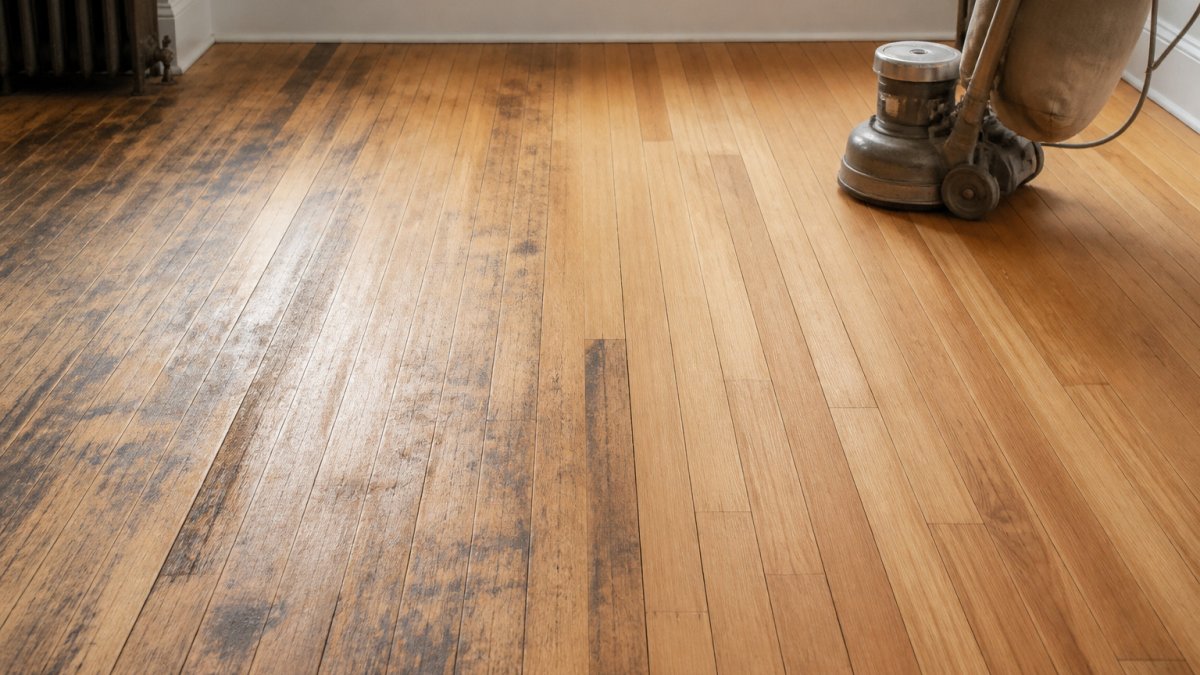
Yes, you can refinish engineered wood floors, but success depends entirely on one factor: the thickness of the hardwood wear layer on top. The wear layer is the solid hardwood veneer glued to the plywood core. If it's thick enough, you can sand and refinish it multiple times. If it's too thin, you risk sanding through to the plywood beneath, which ruins the floor permanently.
But the real question isn't whether you can, it's whether you should, and whether DIY makes sense or professional refinishing is the better path. Understanding your floor's construction and measuring the wear layer thickness come first; after that, your options become clear.
Understanding Engineered Hardwood Wear Layer Thickness
Why does thickness matter? Each sanding pass removes roughly 1/32 inch of wood. Sand too aggressively or too many times, and you break through the veneer into the plywood core. Once that happens, the floor is damaged beyond repair and replacement is your only option.
How to Measure Your Floor's Wear Layer
If you can't access an edge easily, a professional can take a small sample or use non-destructive measurement techniques.
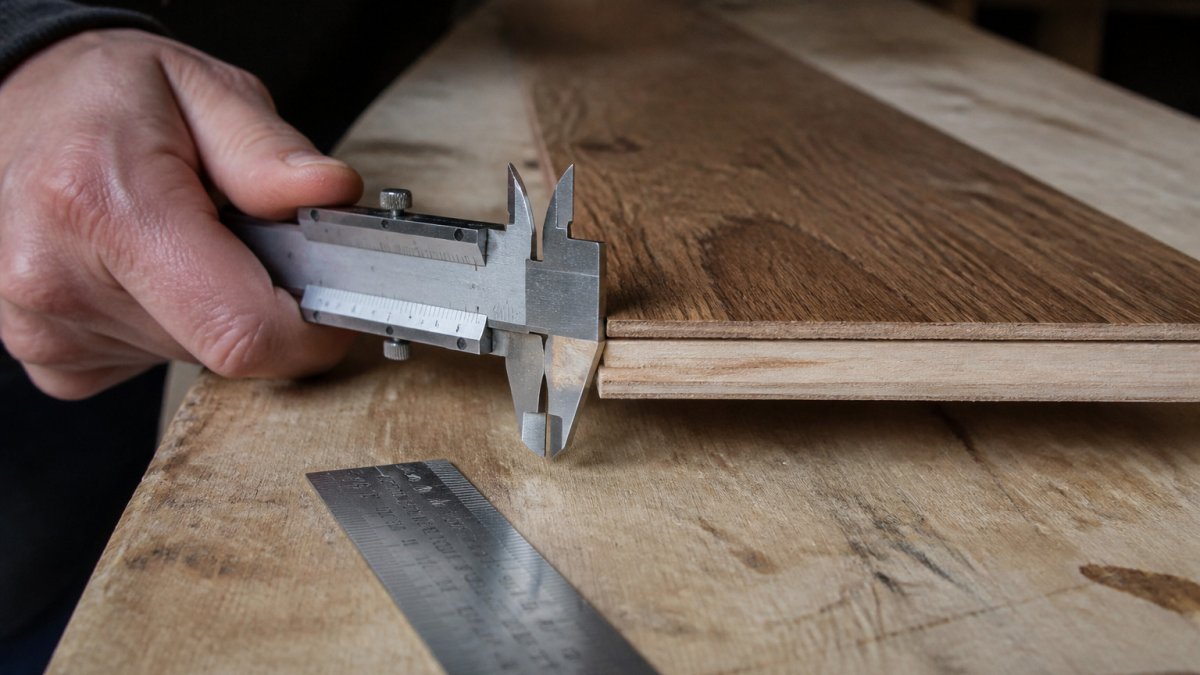
Typical Wear Layer Depths and Refinishing Limits
Here's what you're likely to encounter:
| Wear Layer Thickness | Refinishing Potential | Best Action |
|---|---|---|
| 1/16 inch or less | Not recommended | Screen and recoat only |
| 1/12 to 1/8 inch | One light refinish maximum | Professional refinishing strongly advised |
| 3/16 inch or thicker | Two or more refinishes possible | DIY or professional both viable |
Inspecting Your Floor Before You Start
Check for squeaks. Squeaks mean the subfloor or underlayment has shifted. Refinishing won't fix them, so you may need subfloor work first, adding time and cost.
Refinishing Engineered Wood Floors Without Sanding
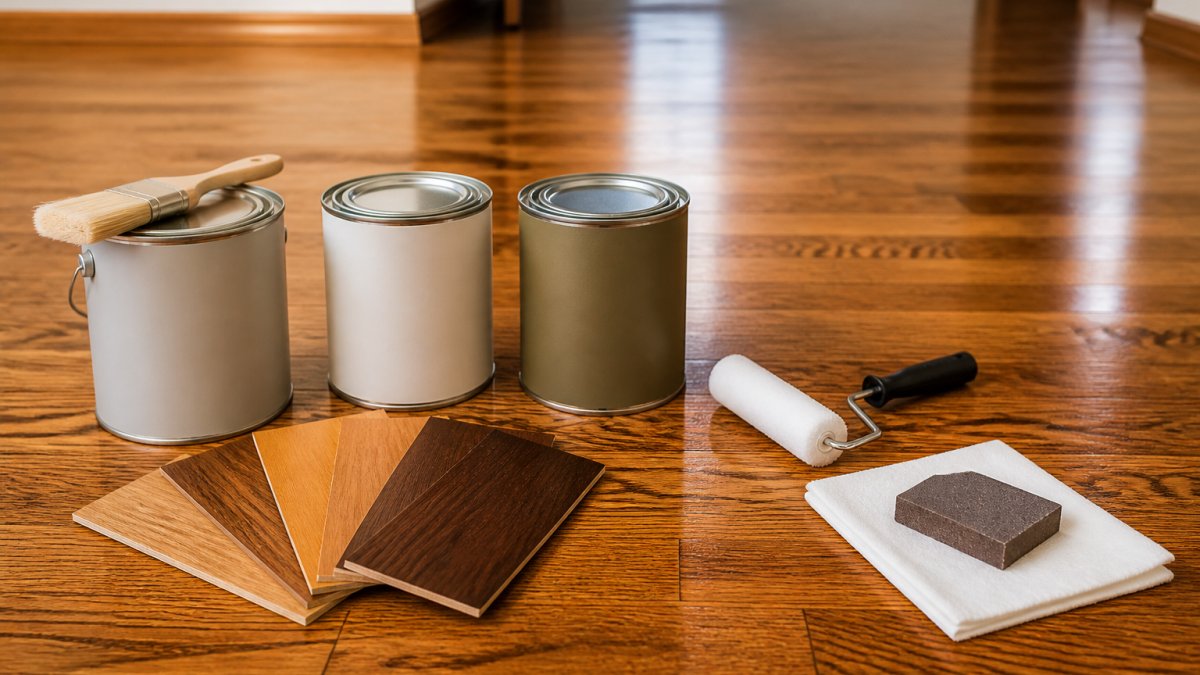
For most homeowners selling a house or preparing a rental property, screening and recoating provides a cost-effective refresh that improves appearance without the expense and mess of full refinishing.
Traditional Sanding and Refinishing for Engineered Hardwood
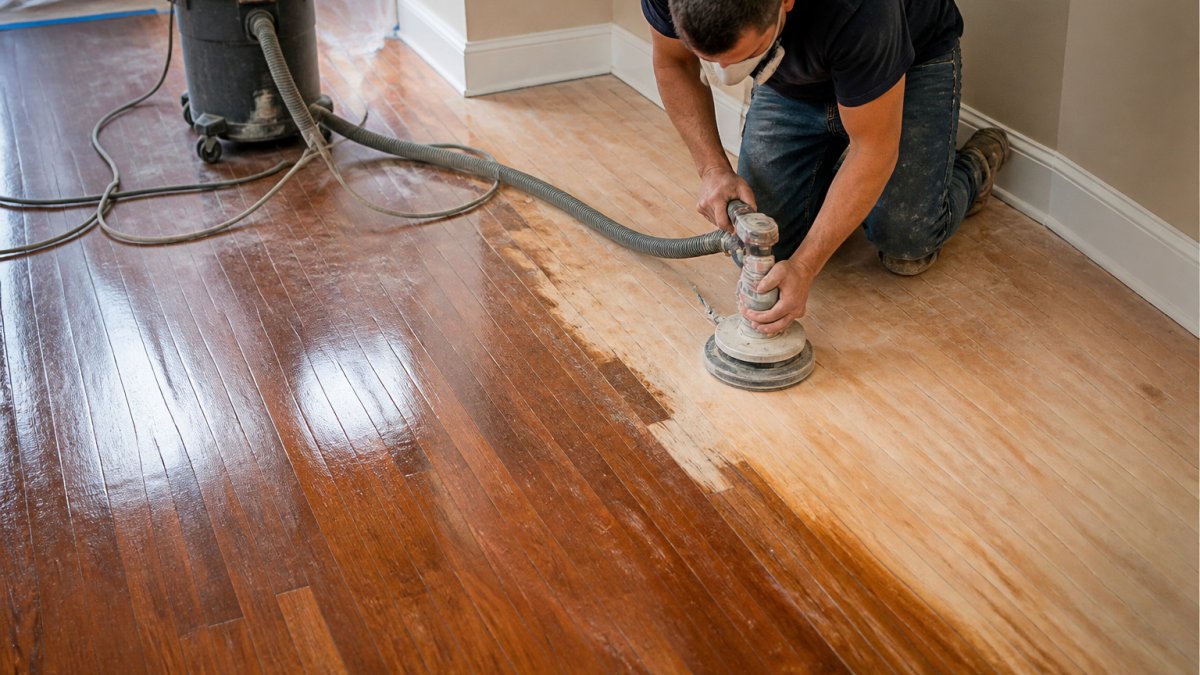
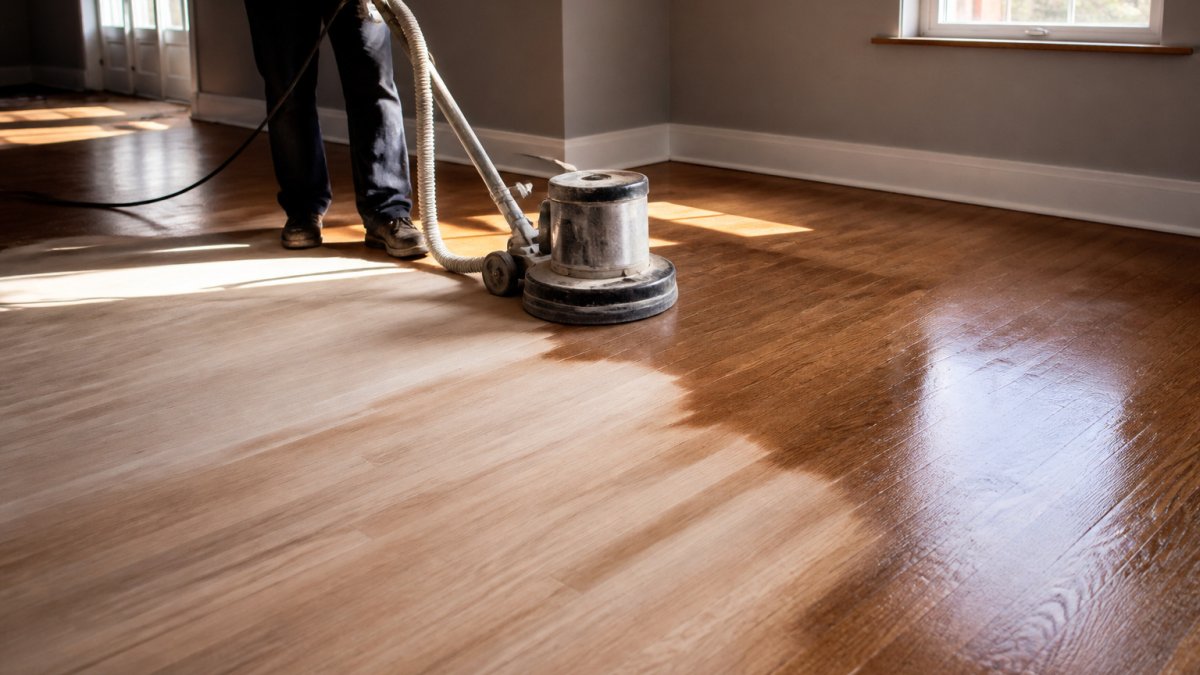
The entire process takes 5 to 10 days for a professional, depending on floor size and complexity. DIY sanding typically takes longer and requires rental equipment.
Engineered Hardwood Floor Refinishing Cost and Timeline
Contact Freddie Sanchez Hardwood Floors for a detailed quote tailored to your project.
DIY Versus Professional Refinishing: Which Path Is Right for You
The honest assessment: most homeowners should hire a professional for full refinishing. The risk of sanding through the veneer is real, and the cost of fixing that mistake far exceeds the cost of professional work. Screening and recoating is where DIY makes the most sense if you're budget-conscious.
Getting Your Engineered Floors Refinished by Freddie Sanchez
Freddie Sanchez Hardwood Floors specializes in expert, high-quality wood floor installation. Our team prioritizes clear communication from start to finish.
We prioritize clear communication with customers from start to finish.
Get a Free Quote from Freddie Sanchez Hardwood Floors today.
Freddie Sanchez Hardwood Floors prioritizes clear communication with customers from start to finish. Reach out for a free quote.
Frequently Asked Questions
How thick does the wear layer need to be to refinish engineered hardwood?
Most engineered hardwood floors can be refinished if the wear layer is at least 2 to 3 millimeters thick. Premium engineered floors often have 4 to 6 millimeters of hardwood veneer, allowing multiple refinishes over the floor's lifetime. Measure your wear layer by examining a cut edge or drilling a small test hole in a closet to determine if refinishing is feasible. If the veneer is thinner than 2 millimeters, traditional sanding will risk breakthrough into the plywood core, making refinishing unsafe.
Can you refinish engineered wood floors without sanding?
Yes. Screening and recoating is a low-dust alternative that works well for light surface wear, scratches, and dull finishes. This method uses a fine abrasive screen to lightly scuff the existing finish, then applies a fresh protective coating without removing the hardwood veneer. It takes 2 to 5 days and costs less than full sanding. However, screening cannot remove deep stains, blueish tint, or discoloration, full sanding is needed for those issues. Always confirm your floor's wear layer is adequate before choosing any refinishing method.
How many times can engineered hardwood floors be refinished?
The number of refinishes depends on wear-layer thickness. Floors with a 3-millimeter wear layer typically support one full refinish; those with 4 to 6 millimeters can handle two to three refinishes over their lifetime. Screening and recoating counts as a lighter refinish and can extend the floor's life between full sandings. After the wear layer is exhausted, refinishing risks breakthrough into the plywood core, making replacement the only option. Track your floor's refinishing history to know how many additional refinishes remain.
What happens if I sand through the veneer on engineered hardwood?
Sanding through the hardwood veneer exposes the plywood core, which will absorb water, swell, and become unusable. This damage is permanent and typically requires floor replacement. To avoid breakthrough, never sand deeper than the wear layer allows, use proper sanding equipment with dust control, and stop immediately if you see plywood appearing. If you're unsure about your floor's thickness or condition, a professional inspection from Freddie Sanchez can confirm whether refinishing is safe or if replacement is the better choice.