 how-to
Guaranteeing Your Hardwood Floor Installation Timeline
Table of Contents
- Why Installation Timeline Guarantees Matter
- How Long Does It Take to Install Hardwood Floors
- Hardwood Floor Acclimation Time and Site Readiness
- Preparing for Wood Flooring Installation: Pre-Project Steps
- Creating a Binding Hardwood Floor Installation Schedule
- Post-Installation: Finishing and Safe Re-Entry Times
- Protecting Your Timeline: Common Delays and How to Avoid Them
- Frequently Asked Questions
Last Updated: October 19, 2026
Why Installation Timeline Guarantees Matter
A hardwood floor installation timeline guarantee protects your investment and your peace of mind. When you commit to a major home renovation, you need to know exactly when the work will be done. At Freddie Sanchez Hardwood Floors, we understand that delays ripple through your entire project, they affect contractors, furniture delivery, and your ability to use the space.
Without a clear, binding timeline, you're vulnerable to open-ended work that stretches weeks longer than expected. The difference between a guaranteed schedule and a vague "we'll get to it" is the difference between confidence and constant stress.
A written installation schedule does three things. First, it sets clear expectations for both you and the flooring team. Second, it protects you contractually if delays occur. Third, it forces everyone to plan ahead and identify potential problems before they become costly surprises.
How Long Does It Take to Install Hardwood Floors
Most hardwood floor installation projects take between 3 to 7 days for a typical residential room or area of 200 to 400 square feet. This timeline assumes the subfloor is already prepared, moisture levels are acceptable, and no unexpected structural issues emerge during the process.
The actual duration depends heavily on several variables. A small bedroom might take 2 to 3 days. A large open living area or multiple rooms could stretch to 10 to 14 days. Some projects finish faster, others take longer, the key is understanding what drives the timeline before you sign a contract.
Variables That Affect Installation Duration
Subfloor condition is the biggest variable. If your subfloor is solid and level, installation moves quickly.
Square footage matters directly. Installers typically cover 200 to 400 square feet per day when conditions are ideal. A 600-square-foot space takes longer than a 300-square-foot bedroom.
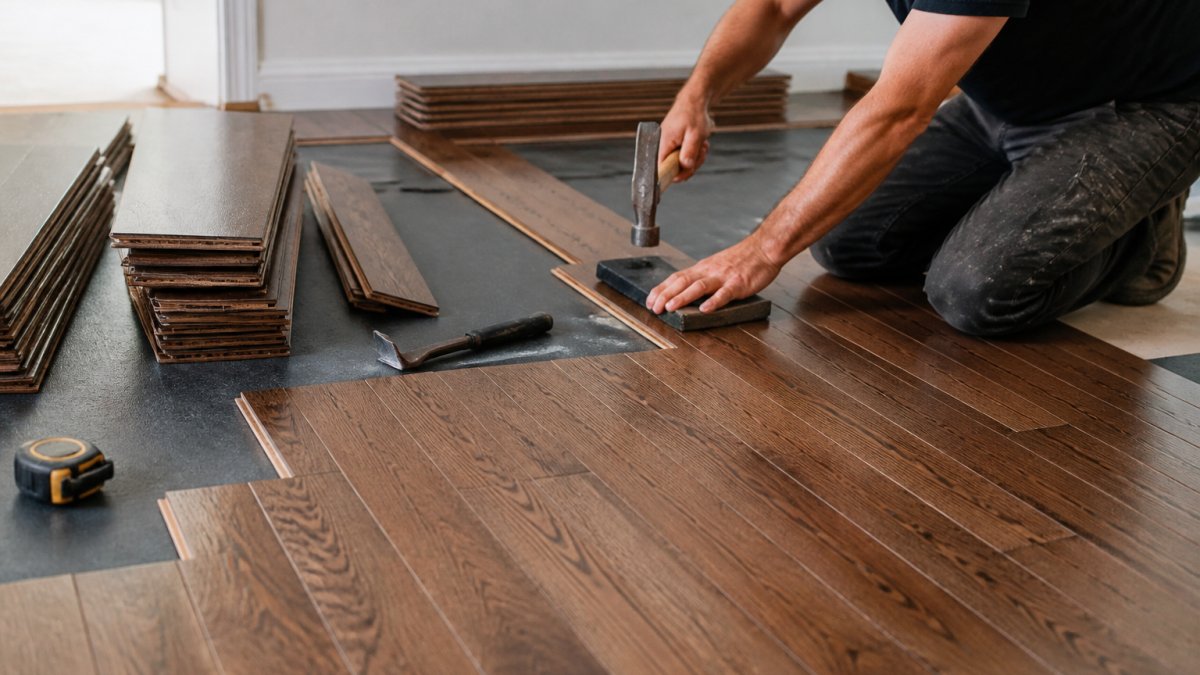
Installation method changes the schedule. Nail-down installation is faster than glue-down. Floating installations vary depending on underlayment and product type.
Wood type selection affects timing. Solid hardwood requires less acclimation time than engineered hardwood in some cases, but engineered wood sometimes installs faster because it's more stable.
Room complexity adds time. Open floor plans install quicker than rooms with many doorways, closets, or irregular shapes. Stairs and transitions to other flooring types require extra precision.
Moisture and humidity conditions can halt work entirely. If your home's humidity is outside the manufacturer's recommended range, the crew may pause until conditions stabilize.
| Variable | Impact on Timeline | Typical Add/Subtract |
|---|---|---|
| Poor subfloor condition | Major | +3 to 7 days |
| High moisture content | Major | +1 to 14 days |
| Complex room layout | Moderate | +1 to 3 days |
| Large square footage | Moderate | +1 to 2 days per 500 sq ft |
| Nail-down vs. glue-down | Minor | +0 to 1 day |
Hardwood Floor Acclimation Time and Site Readiness
Acclimation is the process of allowing wood planks to adjust to your home's temperature and humidity before installation. This step is non-negotiable, and it's where most homeowners underestimate their project timeline.
Most manufacturers require 3 to 7 days of acclimation. Some engineered hardwood products need 48 hours. Solid hardwood typically needs the full week. The wood is shipped in controlled warehouse conditions, and it needs time to reach equilibrium with your home's actual climate.
Skip acclimation, and you risk cupping, crowning, or gapping in the floors within months. The wood will move after installation if it hasn't been allowed to adjust first. This is not a contractor's fault, it's a material science reality.
During acclimation, the wood must sit in the room where it will be installed. The HVAC system should run normally. Room temperature should stay between 60°F and 80°F. Humidity should be between 30% and 50%.
Preparing for Wood Flooring Installation: Pre-Project Steps
Preparation determines whether your installation stays on schedule or derails. Most project delays trace back to inadequate prep work discovered after the crew arrives.
Subfloor Inspection and Moisture Testing
Your subfloor must be inspected and tested before the installation crew shows up. This step takes 1 to 2 days and is absolutely critical.
A professional inspection checks for:
- Structural damage or rot
- Uneven surfaces that need leveling
- Moisture content using a moisture meter
- Proper support and fastening
Moisture testing is the most important part. Wood subfloors should have a moisture content between 9% and 14%. Concrete subfloors should test below 3 pounds per 1,000 square feet using calcium chloride testing. If moisture levels are higher, the installation cannot proceed safely.
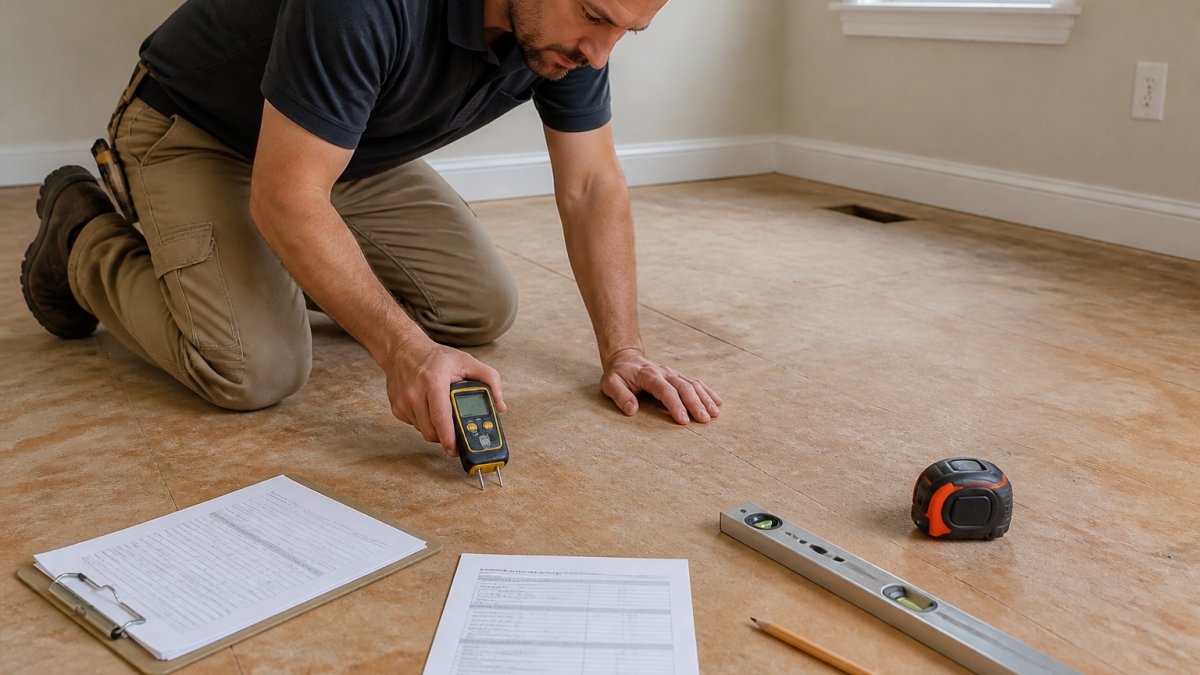
If the subfloor fails inspection, you have two options. First, address the underlying issue, fix leaks, improve drainage, or install a moisture barrier. This can add 1 to 4 weeks depending on the problem. Second, use engineered hardwood instead of solid hardwood, which tolerates slightly higher moisture levels.
Room Conditions and HVAC Setup
Your home's temperature and humidity must be stable before installation begins. This is not optional, it's a manufacturer requirement.
Set your HVAC system to maintain 60°F to 80°F and 30% to 50% humidity for at least 48 hours before the crew arrives. If you live in a humid climate or it's summer, run your air conditioning. If it's winter or your air is dry, use a humidifier. These conditions must hold steady during installation and for at least 48 hours after.
Many homeowners skip this step and discover their HVAC wasn't set correctly when the installer shows up. The crew may refuse to work, or they'll work under suboptimal conditions and the floor fails later. Either way, your timeline extends.
Creating a Binding Hardwood Floor Installation Schedule
A binding schedule is a contract clause that commits both you and the flooring company to specific dates. Without it, you have no legal recourse if work stretches indefinitely.
What to Include in Your Installation Contract
Your contract must specify:
- Start date - The exact day work begins
- Completion date - The day the crew leaves and work is finished
- Acclimation period - How many days the wood will sit before installation
- Daily work hours - Typically 8 AM to 4 PM or similar
- Contingency clause - What happens if moisture testing fails or subfloor issues emerge
- Penalty for contractor delays - Specific consequences if the crew misses the completion date without documented cause
- Exclusions - What delays are not the contractor's responsibility (severe weather, homeowner requests for changes, material delays beyond the contractor's control)
The contingency clause is critical. It should state that if moisture testing or subfloor inspection reveals problems, both parties will meet to decide whether to proceed, pause, or reschedule. This protects you from surprise delays and gives you decision-making power.
A strong penalty clause might read: "If installation is not complete by [date], the contractor will reduce the final invoice by $[amount per day] for each day over the deadline, up to [maximum total]. This does not apply to delays caused by documented homeowner requests or conditions discovered during subfloor inspection."
Contingency Planning and Delay Communication
Even the best-planned projects encounter delays. A good contract includes a contingency plan and clear communication rules.
Contingencies to address:
- Moisture content higher than acceptable
- Subfloor damage discovered during prep
- Material delivery delays from the supplier
- Unexpected structural issues (rot, settling, pest damage)
- Homeowner-requested changes or design modifications
For each contingency, the contract should specify who decides what happens next and how quickly. For example: "If moisture content exceeds 14%, the contractor will notify the homeowner within 24 hours. The homeowner has 5 business days to decide whether to proceed with moisture remediation, use engineered hardwood instead, or reschedule the project."
Communication protocol matters. Establish how often you'll hear updates, daily during installation, or every other day. Decide whether updates come via phone, email, or text. Set a response time expectation (the contractor will respond to messages within 4 business hours, for example).
Post-Installation: Finishing and Safe Re-Entry Times
Installation completion is not the same as the floor being ready to use. Finishing and curing times vary by product and installation method.
For nail-down solid hardwood, you can typically walk on the floor 24 hours after installation is complete. For glue-down installations, wait 48 hours before walking normally. Floating floors can often be used within 24 hours, but check the manufacturer's guidelines.
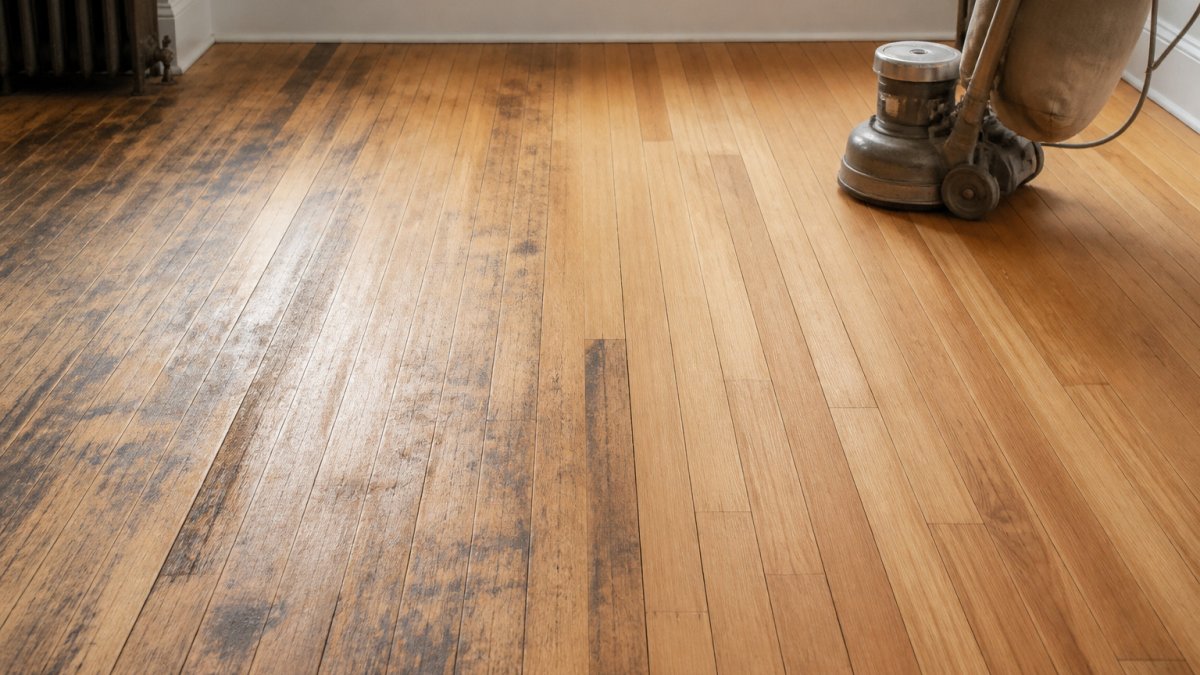
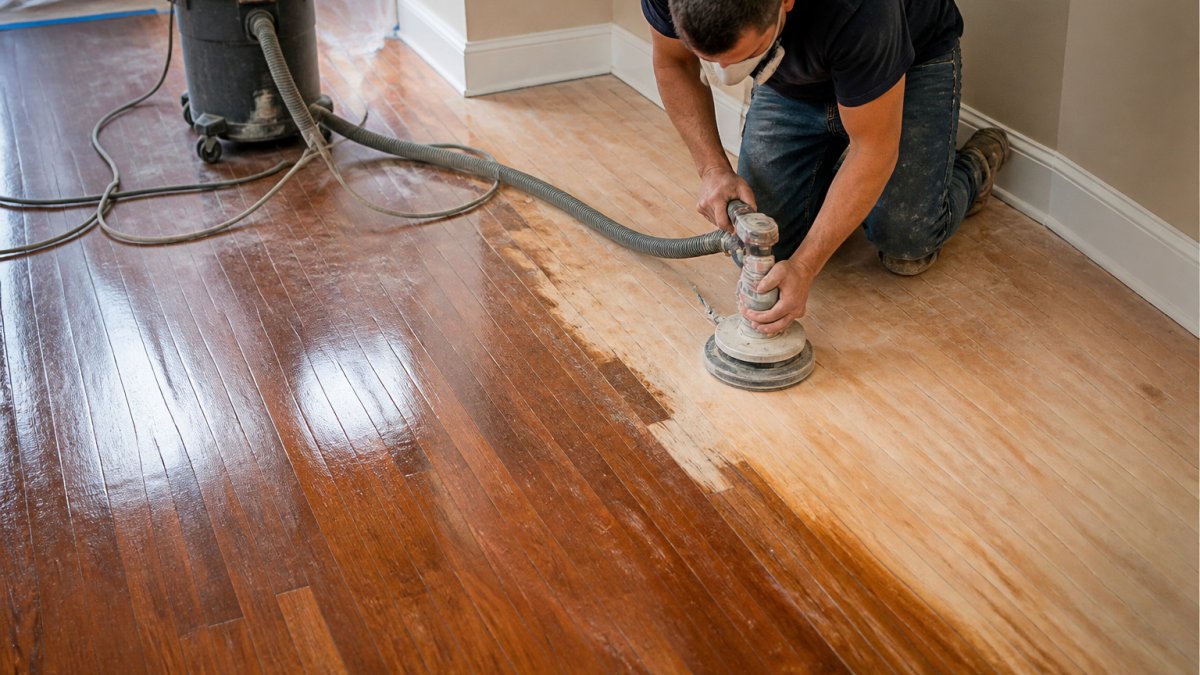
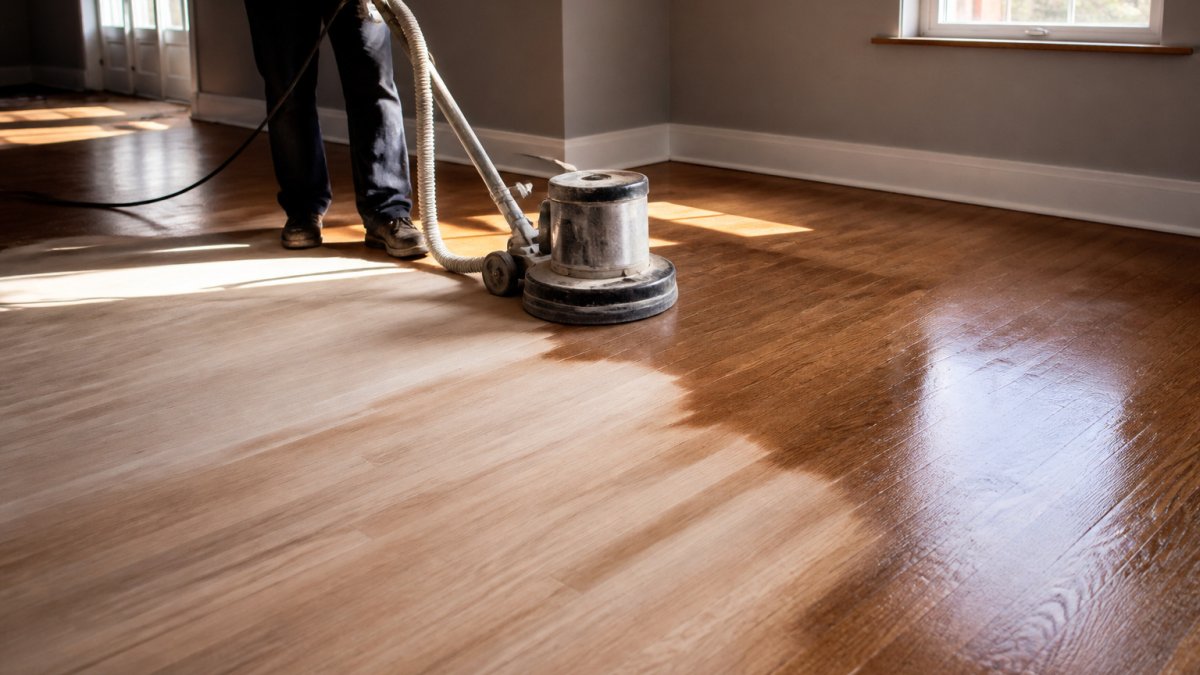
If your floor will be finished (sanded and stained) on-site, add 5 to 10 days to your timeline. The floor must cure for 48 to 72 hours after the final coat before you can place furniture on it.
Pre-finished hardwood (which comes with factory finish already applied) is ready to use within 24 to 48 hours after installation.
During the curing period, keep the room at stable temperature and humidity. Close windows. Avoid heavy traffic. Do not place furniture on the floor until the finish has fully cured.
Protecting Your Timeline: Common Delays and How to Avoid Them
Real-world hardwood floor installation projects encounter predictable delays. Knowing them in advance lets you plan around them.
Moisture issues are the most common delay.
Subfloor damage discovered during prep work halts the project. Solution: Schedule a pre-inspection 3 to 4 weeks out.
Material delivery delays can push back start dates.
Homeowner indecision about design, color, or layout changes mid-project extends timelines significantly.
HVAC not set correctly when the crew arrives means they cannot work safely.
Weather delays affect material delivery and can make moisture testing unreliable.
Contractor availability is a real constraint. Solution: Book your installation date 6 to 8 weeks in advance.
We conduct pre-installation inspections, test moisture levels, and set clear timelines with contingency buffers built in.
Your hardwood floor installation timeline is only as strong as the planning that precedes it.
Ready to guarantee your hardwood floor installation timeline? Get a free quote from Freddie Sanchez Hardwood Floors today.
Frequently Asked Questions
Can a contractor guarantee a hardwood floor installation date?
Yes, but only when specific terms are documented in writing. A contractor can guarantee a hardwood floor installation timeline by including a firm start date, completion deadline, and contingency clauses in your contract. The guarantee should account for site conditions verified before work begins, moisture levels, subfloor condition, and room temperature. Weather delays, unforeseen structural issues, or material shortages may trigger the contingency clause, which should specify how delays are communicated and whether timeline extensions occur. Reputable installers stand behind their schedules when pre-project conditions are met.
How long does it take to install hardwood floors?
Most hardwood floor installations take 3-7 days for a typical residential project, depending on square footage, installation method, and site conditions. A 1,000 sq ft area with a straightforward nail-down installation on a prepared wood subfloor typically takes 2-4 days. Larger projects, glue-down installations on concrete slabs, or homes requiring extensive subfloor repair can extend to 2-3 weeks. Material delivery, acclimation, finishing, and drying time add another 1-2 weeks before the floor is fully ready for use.
Does hardwood flooring need to acclimate before installation?
Yes. Hardwood flooring acclimation time is essential and typically ranges from 3-7 days, though some manufacturers recommend up to 14 days depending on wood species and local humidity levels. Acclimation allows wood planks to adjust to the moisture content and temperature of your home, preventing cupping, crowning, or gaps after installation. The acclimation period requires your home to maintain stable humidity (35-55%) and temperature (60-80°F) before the crew arrives. Skipping acclimation is a leading cause of post-installation floor problems and warranty disputes.
What should I do to prepare my home before hardwood flooring is installed?
Start by arranging a pre-installation inspection 1-2 weeks before the crew arrives. Have your subfloor tested for moisture content, the industry standard is below 12% for wood subfloors and below 3% for concrete slabs. Clear the installation area of furniture and personal items. Set your HVAC system to maintain 60-80°F and 35-55% humidity at least 48 hours before installation begins. Ensure adequate dust control by sealing off the work area from the rest of your home. Confirm material delivery and acclimation are complete. Communicate any existing floor issues (squeaks, gaps, or water damage) to your installer so they can plan accordingly.