 blog
Is Prefinished Hardwood Worth the Extra Cost?
Last Updated: October 23, 2026
Quick Summary
Prefinished hardwood is often worth the extra cost because the higher board price is offset by skipping on-site sanding, staining, sealing, and multi-day cure time. For occupied homes and tight timelines, those labor and time savings usually outweigh the material premium, while custom stain work and seamless finishes often favor unfinished flooring.
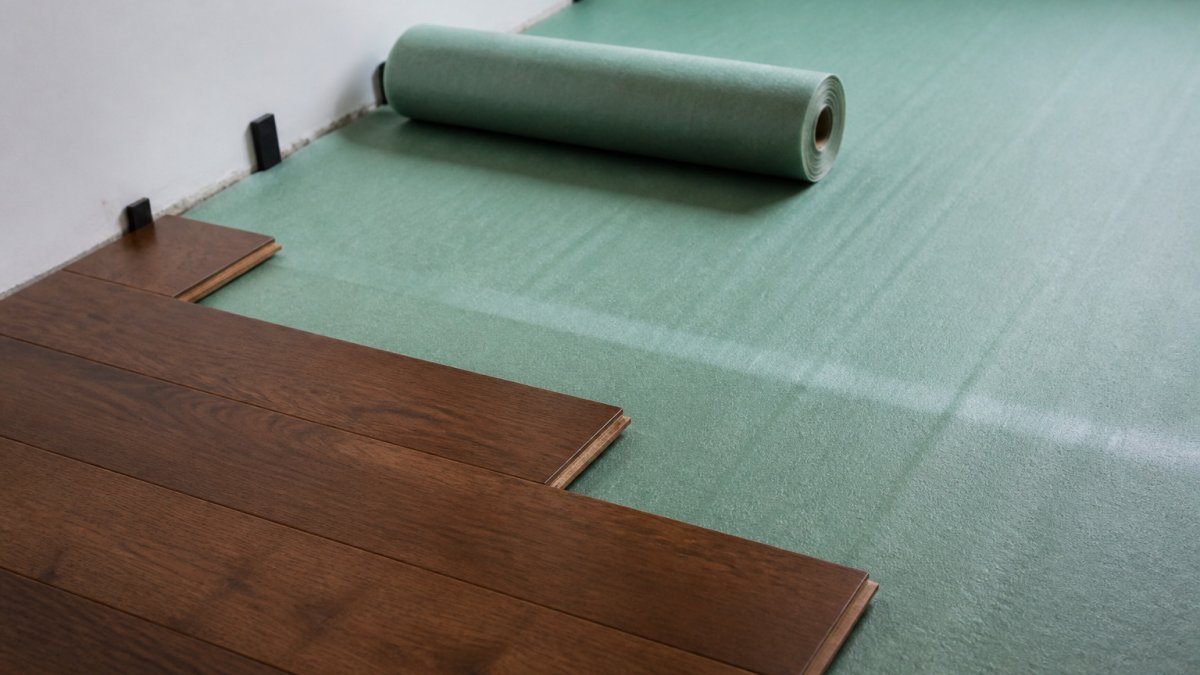
- Prefinished boards arrive milled, stained, and sealed at the factory, ready to install with no on-site finishing.
- You can often install prefinished flooring and walk on it the same day, while site-finished floors take days.
- A single bedroom rarely justifies the prefinished premium on labor savings alone.
- Whole-home or main-level projects are where the math flips toward prefinished flooring.
- Ask for sanding, staining, and sealing quoted as separate line items on any unfinished floor bid.
Table of Contents
- Prefinished vs Unfinished Hardwood Flooring: What Actually Changes
- Prefinished Hardwood Flooring Cost: What You Pay Upfront
- The Hidden Savings: Labor, Finishing Materials, and Installation Time
- Total Project Cost: A Like-for-Like Comparison
- Pros and Cons of Prefinished Hardwood Flooring
- Can Prefinished Hardwood Floors Be Refinished? Lifecycle and Long-Term Value
- Which Homeowners Should Choose Prefinished, and Which Shouldn't
- Conclusion
- Frequently Asked Questions
Prefinished vs Unfinished Hardwood Flooring: What Actually Changes
The question of whether prefinished hardwood is worth the extra cost usually comes down to one thing: where the work happens. Prefinished hardwood is milled, stained, and sealed at the factory, so it arrives ready to install. Unfinished flooring, also called site-finished hardwood, gets sanded and coated in your home after installation.
That single difference reshapes your budget. Factory-applied finishes are cured under controlled conditions, which typically produces a harder, more consistent protective coating than anything applied on site. On-site finishing adds sanding passes, stain, sealant, and drying time between coats.
We walk homeowners through this trade-off on nearly every estimate. The material price gap is real, but it is only half the math. Below, we break down where the money actually goes and which households come out ahead.
Prefinished Hardwood Flooring Cost: What You Pay Upfront
Upfront, prefinished flooring costs more per square foot for materials. You are paying for the factory's finishing line: sanding, staining, sealing, and curing, all baked into the board price. Unfinished boards leave the mill bare and cheaper, because the finishing labor moves to your project.
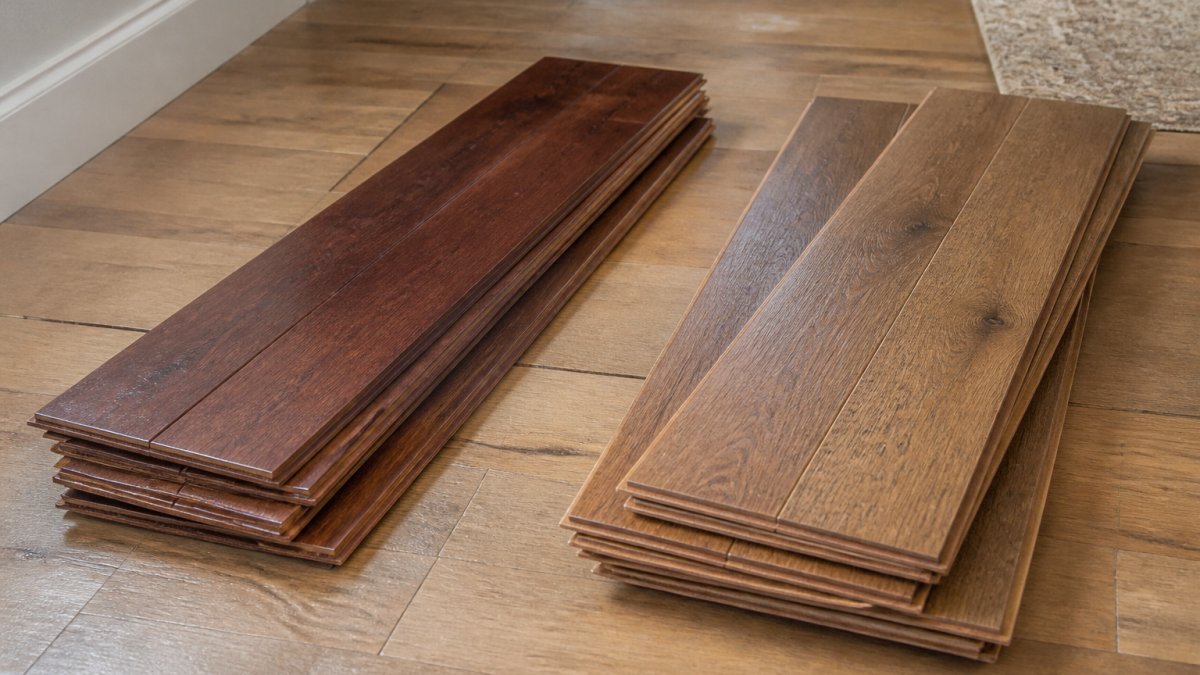
The premium varies by product-level variables: wood species, plank width, finish type, and brand. Wider planks and specialty species widen the gap. So does a factory finish with a long wear warranty.
What most guides miss is that the material premium is the least predictable part of the estimate. We quote it per product, not per category, because a budget oak and a wide-plank hickory behave nothing alike on price. For current figures on specific products, request a quote rather than trusting a generic range.
The Hidden Savings: Labor, Finishing Materials, and Installation Time
Here is where the ledger flips. Unfinished flooring requires a crew to sand, stain, and seal on site, and that labor is billed by the hour. You also pay separately for finishing materials: stain, sealant, and protective coating.
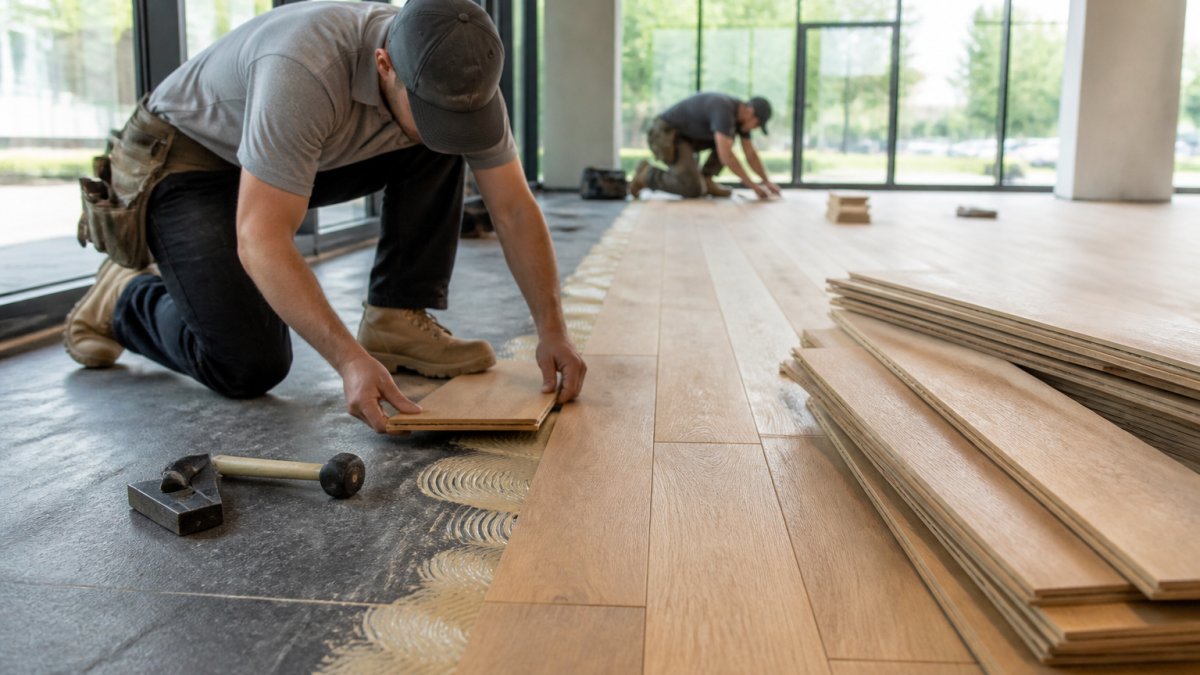
Prefinished boards skip all of it. Installation is faster because there is no drying or cure time between coats, and no dust or odor from on-site sanding. A common approach is to install prefinished flooring and walk on it the same day. Site-finished floors can take days before furniture goes back.
The labor savings often offset a meaningful share of the material premium. How much depends on square footage, site conditions, and how many coats your unfinished floor needs.
Total Project Cost: A Like-for-Like Comparison
Most guides compare the sticker price per square foot and stop. That comparison is misleading because it ignores every cost that moves when you choose factory finishing. The only fair test is a like-for-like total: same room size, same wood species and grade, same subfloor condition, same trim scope. Change any of those variables and the comparison collapses.
Here is a line-item framework to consider. Fill it in with your own square footage and local labor rates rather than a national average.
| Cost Line | Prefinished Hardwood | Unfinished (Site-Finished) |
|---|---|---|
| Material (boards) per sq ft | Higher, includes factory sanding, stain, seal, and cure | Lower, bare boards only |
| Installation labor per sq ft | Standard install rate | Standard install rate |
| Sanding labor | None | Billed by crew hour or per sq ft, often multiple passes |
| Stain and sealant materials | Included in board price | Billed separately, plus applicator pads, tape, and plastic |
| Number of coats and dry time | None on site | Each coat adds a return trip and cure window |
| Furniture moving and protection | Minimal | Significant, rooms must be cleared and sealed off |
| Cleanup and dust containment | Light | Heavy, plastic barriers, negative air, fine dust removal |
| Temporary housing or schedule disruption | Rare | Common for whole-home projects |
| Move-in delay | Same day | Several days to a week depending on coats |
Why the material premium is the least predictable line. The gap between a prefinished board and its unfinished equivalent varies by species, plank width, finish type, and wear warranty. A narrow budget oak and a wide-plank hickory do not behave alike. That is why we quote material per product, not per category, a generic range will mislead you in either direction.
Scenario framing by project size. A single bedroom rarely justifies the prefinished premium on labor savings alone, because the on-site finishing crew's mobilization cost is spread over so few square feet. A whole-home or main-level project is where the math flips: the same crew mobilization, dust containment, and multi-day cure schedule now apply to a much larger area, and the prefinished premium is offset by skipping all of it.
The line most bids hide. Ask for sanding, staining, and sealing quoted as separate line items on any unfinished floor bid. When those costs are bundled into one labor figure, you cannot verify whether the prefinished premium is actually larger, or whether the contractor is padding the finishing line to protect margin. A transparent bid separates material, install labor, finishing labor, and finishing materials so you can compare apples to apples.
We build this comparison line by line for every estimate so nothing hides in the labor column. If a bid will not break out finishing costs, that is your signal to ask why.
Pros and Cons of Prefinished Hardwood Flooring
Prefinished flooring wins on speed and finish quality. The factory-applied finish is cured consistently, which usually means better wear resistance and scratch resistance than a site-applied coating. Surface consistency is excellent, and there is no risk of a contractor's stain mix varying room to room.
The honest drawbacks: board edges carry a slight micro-bevel, so seams are more visible than a sanded-flush site finish. Customization is limited to what the factory offers, so a very specific stain match is harder. And repairs on a single damaged board are trickier because the finish cannot be blended on site.
Can Prefinished Hardwood Floors Be Refinished? Lifecycle and Long-Term Value
Yes, but the honest answer depends on construction, wear layer, and finish thickness, and those variables decide whether the upfront premium pays you back over the life of the floor.
The mechanism. A factory finish is applied and cured as a thin, uniform system. A site-finished floor builds up multiple coats on top of the wood after installation, so the total film thickness above the wear layer is typically greater. That matters because every sanding and refinishing cycle removes some of the wood surface.
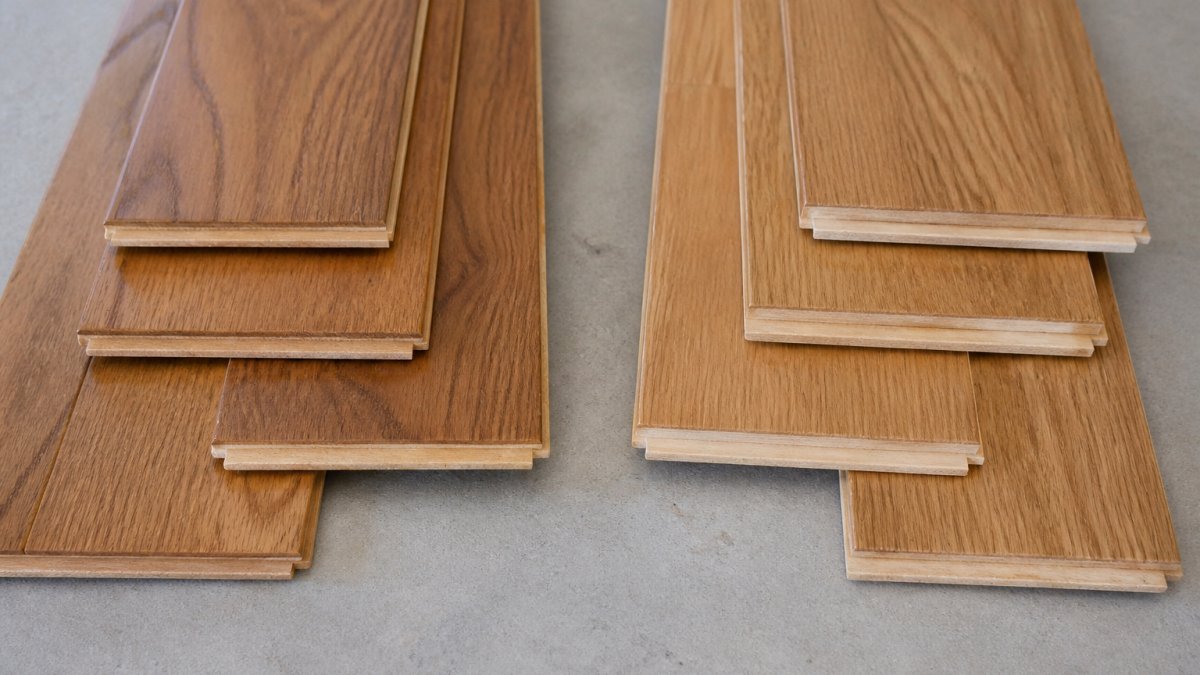
Solid versus engineered. Solid hardwood generally offers more refinishing cycles because the wear layer is the full thickness of the board. Engineered hardwood is capped by its top veneer: a thicker veneer supports more sandings, a thin veneer supports few or none. The NWFA guidelines on wood floor finishing are a useful reference for how finish and wear-layer thickness affect refinishing options.
Warranty versus service life. Factory finish warranties are typically longer than site-finish warranties because the finish is applied under controlled conditions and the manufacturer controls the cure. But a warranty covers finish wear under defined conditions, it does not guarantee the floor will never need sanding, and it does not cover the cost of a future refinish.
The refinishing economics. A future refinish is a real cost you should budget for at purchase, not discover later. It involves sanding the entire floor, applying new stain and sealant, and repeating the cure and disruption you avoided by choosing prefinished in the first place.
Maintenance protects the math. Keep grit off the surface with mats at entries, use felt pads under furniture, and control indoor humidity within the range the manufacturer specifies. Those habits protect the finish and delay the day you need sanding at all, which is the single biggest lever on lifecycle cost, regardless of which floor you buy.
Which Homeowners Should Choose Prefinished, and Which Shouldn't
Choose prefinished if you are living in the home during the project, selling soon and need floors show-ready fast, or remodeling a master bedroom on a contractor's tight timeline. It also suits commercial property managers who cannot afford multi-day closures. The reduced dust and odor matter in occupied spaces.
Choose unfinished if you want a perfectly flush, seamless surface, a custom stain matched to existing trim, or you are finishing an older home where site conditions demand on-site adjustment. Unfinished also makes sense when the floor will be sanded and coated as part of a larger renovation anyway.
Conclusion
The real question is not whether prefinished costs more per board, but whether the labor, finishing materials, and time savings outweigh that premium for your project. For occupied homes and tight timelines, they usually do. For custom stain work and seamless finishes, they often do not.
At Freddie Sanchez Hardwood Floors, we quote material and labor as separate lines so you can see exactly where the difference lands. Our team handles expert wood floor installation with high standards of craftsmanship, and we stay in constant communication until the job is done. Get a free quote and we will run the like-for-like comparison on your square footage.
Frequently Asked Questions
Is prefinished hardwood more expensive than unfinished hardwood?
The material price for prefinished hardwood is higher, but the total project cost often lands close to unfinished once you add on-site sanding, staining, sealing, and the labor for each of those steps. Unfinished floors carry a lower board price but require finishing materials and several days of crew time after installation. The real answer depends on your square footage and how complex the finish schedule is. Ask for a line-item quote that separates material, labor, and finishing so you can compare like for like.
Can prefinished hardwood floors be refinished?
Yes, most prefinished hardwood floors can be refinished, but the wear layer thickness sets the limit. Factory finishes are harder than site-applied finishes, so the first sanding takes more effort and is best left to a professional with the right equipment. Solid prefinished boards typically allow two to three sandings over their life. Engineered prefinished planks have a thinner wear layer and may allow only one light sanding, or none at all. Check the manufacturer's wear layer spec before you buy.
Does prefinished hardwood last as long as site-finished hardwood?
Factory-applied finishes generally hold up longer against wear, scratches, and moisture because they cure under controlled conditions with multiple coats and often include aluminum oxide. Site-finished floors can be recoated more easily in high-traffic spots without a full sanding. The bigger variable is installation quality: gaps, poor subfloor prep, and moisture issues shorten the life of either type. A properly installed prefinished floor with a thick wear layer will typically outlast a thin site-finished floor in a busy household.
How much does it cost to install prefinished hardwood flooring?
Installation pricing depends on square footage, subfloor condition, board width, and whether stairs or transitions are involved, so no single number fits every home. Prefinished installation usually costs less in labor than unfinished because there is no sanding, staining, or sealing on site, and the crew can finish in fewer days. Get a written quote that lists material, labor, removal of old flooring, and any subfloor repair separately. That breakdown makes it easier to compare bids and spot a low quote that will grow later.