 blog
Local Wood Floor Installation Experts: What to Know
Table of Contents
- Why Professional Wood Floor Installation Matters
- Questions to Ask Flooring Contractors Before Hiring
- Understanding Hardwood Floor Installation Labor Cost
- Signs of Poor Hardwood Installation and How to Avoid Them
- Wood Floor Installation Timeline: What to Expect
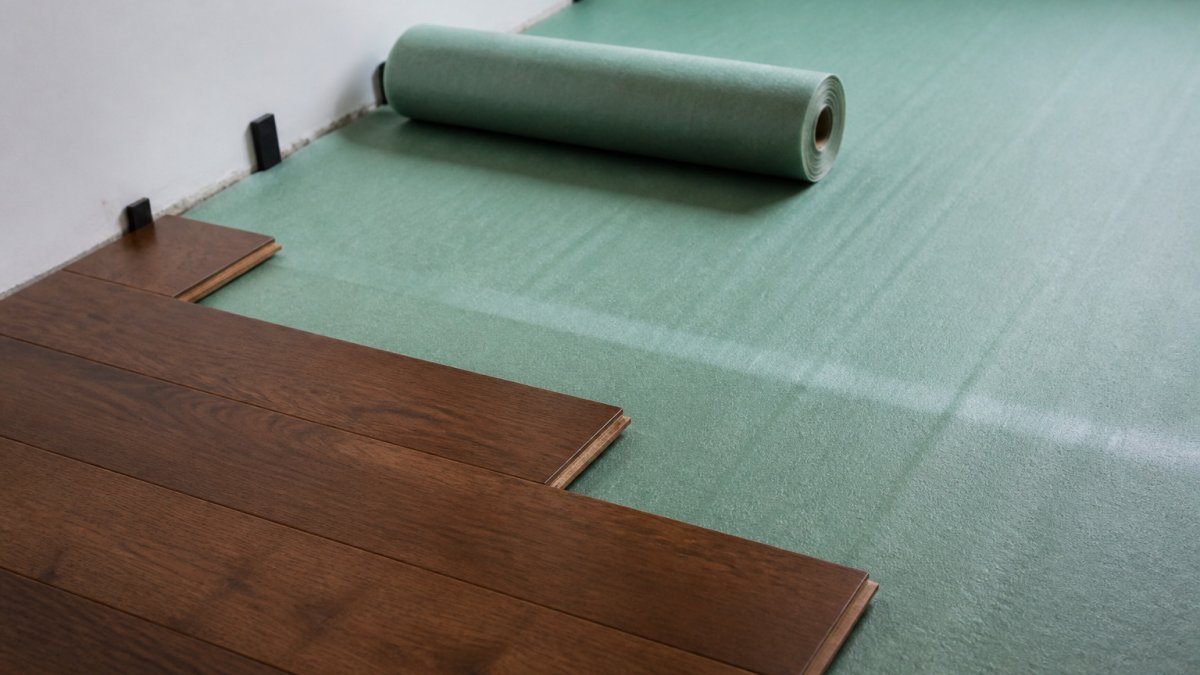
- Subfloor Preparation and Moisture Control
- How to Vet and Select Local Wood Floor Installation Experts
- Frequently Asked Questions
Last Updated: September 28, 2026
Why Professional Wood Floor Installation Matters
Installing hardwood flooring is one of the most impactful home improvements you can make. When done right, it transforms a space and adds lasting value. When done wrong, you're looking at cupping, gaps, squeaks, and a floor that fails within years.
The difference between a quality installation and a poor one comes down to expertise, attention to detail, and proper technique. A professional wood floor installation expert understands subfloor preparation, moisture control, acclimation periods, and the specific techniques each wood species requires. A professional wood floor installation expert understands subfloor preparation, moisture control, acclimation periods, and the specific techniques each wood species requires.
Here's what most homeowners don't realize: the cost of installation is often the cheapest part of a hardwood floor project. The wood itself, finishes, and repairs from bad installations cost far more. Hiring local wood floor installation experts who know how to do it right the first time protects your investment and ensures your floors look beautiful for decades.
Questions to Ask Flooring Contractors Before Hiring
Before you sign a contract with any contractor, you need answers to specific questions that reveal whether they actually understand the work. Generic responses are red flags.
Ask about subfloor preparation first. A quality wood floor installation expert will explain their process for leveling the subfloor, checking for moisture, and installing underlayment or a moisture barrier if needed. If they brush past this step, they're not taking moisture seriously, and moisture is the leading cause of hardwood floor failure.
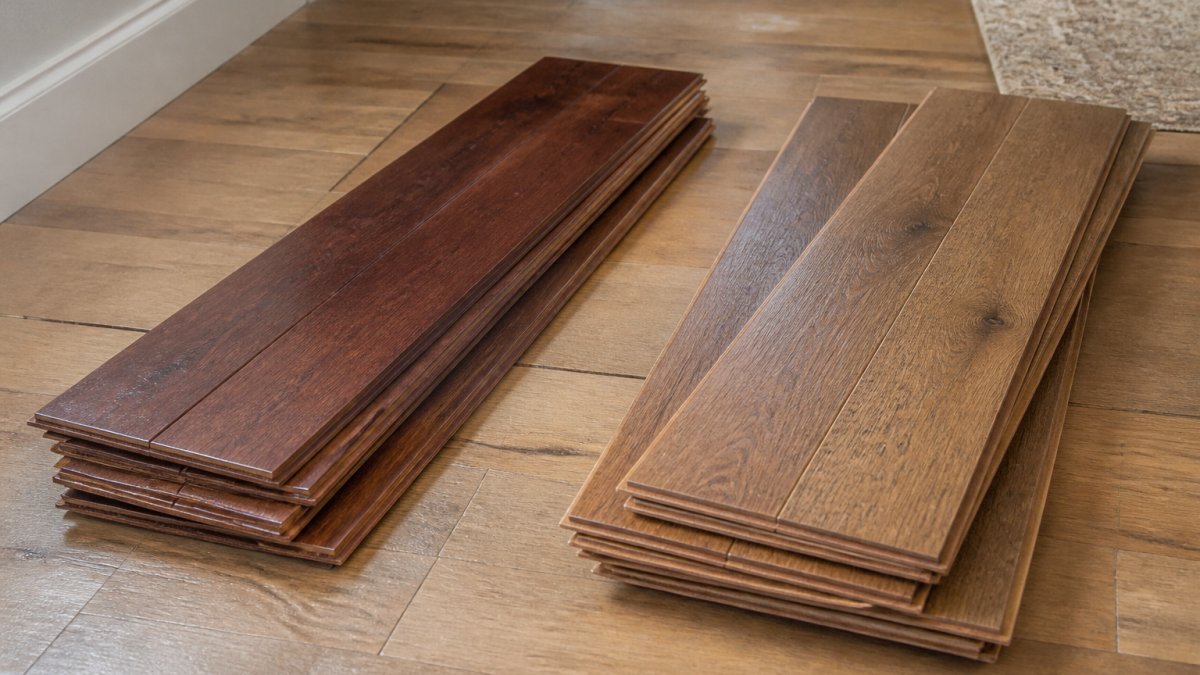
Next, ask about acclimation. Hardwood needs time to adjust to your home's humidity levels before installation. A contractor who doesn't mention this or treats it as optional doesn't understand the material. The acclimation period typically lasts 3-7 days depending on conditions.
Ask for references from recent projects. Call them. Ask specifically whether the contractor was responsive, whether the timeline was accurate, and whether any issues arose after installation. Ask if they'd hire the same contractor again.
Request a detailed written estimate that breaks down labor, materials, and timeline. Vague estimates hide problems. You need to know exactly what's included, baseboard removal, floor leveling, underlayment installation, stain matching, finish application, and cleanup.
Ask about their warranty. What does it cover? How long does it last? Will they stand behind their work if issues appear six months later? A contractor confident in their work will offer a meaningful warranty.
Finally, ask how they handle moisture issues in older homes. If you have a basement or lower-level installation, this matters enormously. A professional wood floor installation expert will have a plan for moisture control specific to your situation.
Understanding Hardwood Floor Installation Labor Cost
Labor makes up a significant portion of any hardwood flooring project. Understanding what drives these costs helps you evaluate whether a quote is reasonable or inflated.
The complexity of your subfloor directly impacts labor time. A level, dry subfloor takes less time than one requiring extensive leveling or moisture remediation. If your home has moisture issues, structural damage, or an uneven foundation, labor costs rise because the contractor must address these problems first.
Floor preparation work is labor-intensive. This includes removing existing flooring, cleaning the subfloor, installing underlayment or moisture barriers, and leveling. A contractor rushing through this stage creates the conditions for future problems. Proper preparation takes time, and that time costs money.
The type of hardwood you choose affects installation labor. Engineered wood flooring installs faster than solid hardwood. Parquet patterns take longer than simple plank layouts. Wider planks cover area faster than narrow ones. Tongue-and-groove installation is standard and straightforward, but custom patterns demand more precision and time.
Finish application also varies. A pre-finished floor requires less labor than site-finished work. Site-finished floors involve sanding, staining, and polyurethane application, each step adds labor hours. Stain matching on existing floors requires extra care and expertise.
Removal of existing flooring and baseboard installation add to the timeline. Some contractors bundle these services; others charge separately. Get clarity on what's included.
Signs of Poor Hardwood Installation and How to Avoid Them
Poor installation shows up immediately or within months. Knowing what to look for helps you catch problems early and hold contractors accountable.
Gaps between planks are a major warning sign. Small gaps are normal as wood adjusts to humidity, but large or widening gaps indicate the floor wasn't properly acclimated or the subfloor wasn't level. This happens when contractors skip the acclimation period or don't address subfloor issues.
Cupping or crowning, where planks curve upward or downward, signals moisture problems. This typically appears within weeks of installation. It means moisture entered from below or the acclimation period was skipped. A professional wood floor installation expert prevents this through proper moisture barriers and acclimation.
Squeaking indicates fasteners weren't driven properly or the subfloor has movement. Quality installation uses the right fastening method for your subfloor type. Squeaks that develop months later suggest the contractor cut corners.
Uneven finish or color variation that looks wrong suggests poor stain matching or inconsistent application. Finish should be uniform across the floor. Blotchy areas or obvious color differences indicate either poor technique or low-quality materials.
Visible nail pops, where fasteners push through the surface, mean the wrong fastening system was used or the subfloor shifted. This shouldn't happen with proper installation.
Buckling or severe warping within the first year points to moisture problems that should have been addressed during preparation. This is expensive to fix and indicates the contractor didn't follow proper protocols.
To avoid these issues, hire local wood floor installation experts who document their work with photos before and after installation. Request a walkthrough before they leave. Ask them to point out what they did to prevent common problems. A professional is proud of their process and happy to explain it.
Wood Floor Installation Timeline: What to Expect
Understanding the timeline helps you plan your life around the project and spot contractors who promise unrealistic timelines.
Preparation typically takes 1-3 days depending on your subfloor's condition. This includes removing existing flooring, cleaning, addressing moisture issues, installing underlayment, and leveling. A contractor who promises preparation in half a day is either very experienced with simple jobs or cutting corners.
Acclimation of the hardwood itself takes 3-7 days. The wood must sit in your home adjusting to humidity before installation. This step cannot be rushed without risking future problems. Some contractors include this in their timeline; others count it separately.
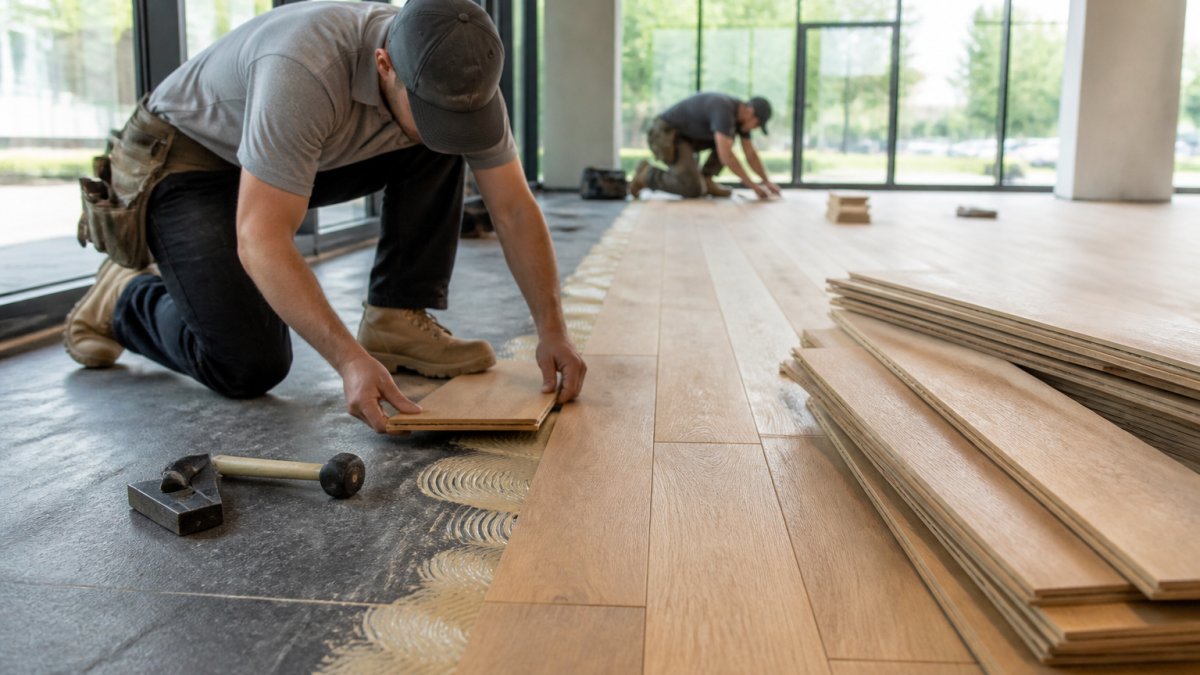
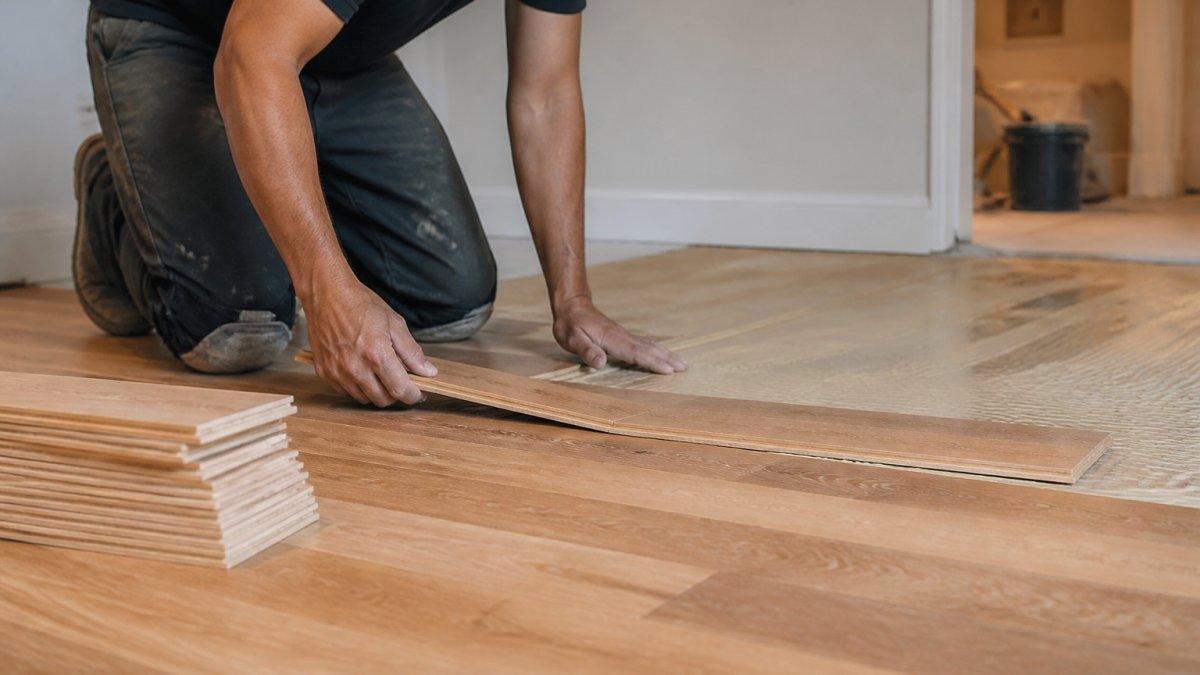
The actual installation, laying planks, fastening, and filling gaps, typically takes 2-5 days for an average room, depending on floor size and pattern complexity. Simple layouts install faster than intricate patterns.
Site-finished floors require additional time. Sanding takes 1-2 days. Staining adds 1 day. Polyurethane application requires multiple coats with drying time between them, adding 3-5 days total. The entire process from start to finish for a site-finished floor can take 2-3 weeks.
Pre-finished floors skip the on-site finishing, reducing total timeline by a week or more.
Cleanup and baseboard reinstallation typically take 1 day.
A realistic timeline for a standard hardwood installation is 1-2 weeks from start to finish. Site-finished floors take 2-3 weeks.
Subfloor Preparation and Moisture Control
Your subfloor is the foundation of a successful hardwood installation. It's also where most problems originate if it's not handled correctly.
How to Vet and Select Local Wood Floor Installation Experts
Choosing the right contractor determines whether your hardwood floors succeed or fail. This decision deserves careful evaluation.
| Installation Factor | What It Affects | Why It Matters |
|---|---|---|
| Subfloor preparation | Foundation stability | Poor prep causes cupping, gaps, squeaks |
| Moisture control | Long-term durability | Moisture damage is expensive and difficult to repair |
| Acclimation period | Wood adjustment | Skipping this creates expansion/contraction problems |
| Fastening method | Floor movement | Wrong fasteners cause squeaks and fastener pop |
| Finish application | Appearance and protection | Poor finishing looks uneven and wears quickly |
| Timeline | Quality of work | Rushed timelines force corners to be cut |
Frequently Asked Questions
What should I expect to pay for hardwood floor installation labor?
Labor costs for hardwood floor installation depend on several factors: the square footage of your project, the complexity of the layout, subfloor condition, and whether moisture barriers or floor leveling is required. Solid hardwood typically costs more to install than engineered wood due to acclimation requirements. For an accurate hardwood floor installation labor cost estimate, contact local wood floor installation experts for a quote based on your specific project. Most professionals will provide a detailed breakdown of labor versus materials.
How long does professional hardwood floor installation typically take?
The wood floor installation timeline varies based on project size and complexity. The wood floor installation timeline varies based on project size and complexity. Moisture issues or extensive floor leveling can add several days. Moisture issues or extensive floor leveling can add several days. Licensed contractors should provide a realistic project timeline upfront and communicate any delays promptly. Always ask about the full schedule, including cure time before the floor is ready for normal use.
What are the red flags that indicate poor hardwood installation quality?
Signs of poor hardwood installation include visible gaps between planks that widen or shrink seasonally, cupping or crowning (warping), squeaky floors, uneven transitions at doorways, stain color variation that looks patchy, and a finish that's dull or peeling within months. Poor subfloor preparation, inadequate moisture barriers, rushing the acclimation period, and using incorrect fastening methods all cause these problems. Inspect completed work carefully before final payment, and ask your contractor about their service guarantee and how they address issues after installation.
What questions should I ask a flooring contractor before hiring?
Ask about their licensing, insurance, and references from recent projects. Request details on subfloor preparation, moisture testing, and whether they use a moisture barrier. Clarify the wood species, plank width, and installation method (nail-down, glue-down, or floating). Ask for a detailed installation estimate, project timeline, and warranty or service guarantee. Discuss how they handle existing issues like squeaky spots or gaps, and whether they provide photos of similar projects. Finally, confirm they're responsive and will communicate throughout the job, this matters for coordinating with other contractors.