 ultimate-guide
Refinishing Floors for Home Sale: A Seller's Guide
Table of Contents
- Should You Refinish Hardwood Floors Before Listing?
- How to Tell If Hardwood Floors Can Be Refinished
- Refinish or Replace Hardwood Floors: Making the Right Choice
- Hardwood Floor Refinishing Cost and Budget Planning
- Hardwood Floor Refinishing Timeline: Planning for Your Sale
- Professional Refinishing Versus DIY: What Works for Sellers
- Return on Investment: Will Refinishing Help Your Home Sell?
- Frequently Asked Questions
Last Updated: October 10, 2026
Should You Refinish Hardwood Floors Before Listing?
The decision to refinish hardwood floors for home sale comes down to one question: will the investment return itself when you sell? We help homeowners navigate this choice by focusing on what actually moves the needle in a buyer's decision. The answer isn't always yes, and that's worth understanding before you commit time and money.
Hardwood floors are one of the few home improvements buyers notice immediately. Worn, scratched, or dull floors signal neglect, even if the structural integrity is sound. Refinished floors, by contrast, suggest a well-maintained home and can justify a higher asking price. But the real question isn't whether refinished floors look better. It's whether refinishing delivers enough return to justify the cost, the timeline, and the disruption.
Here's where it gets complicated. Refinishing floors for home sale isn't the same as refinishing them for your own enjoyment. You're not living with the result for ten years. You're creating a showroom condition that needs to last through inspections, open houses, and the closing process. That changes what you should prioritize, and what you should avoid.
How to Tell If Hardwood Floors Can Be Refinished
Not every hardwood floor can be refinished. Some are too damaged, too thin, or too unstable to sand. Understanding which floors are candidates saves you from paying for work that won't happen.
Signs Your Floors Are Ready for Refinishing
Floors that can be refinished typically show surface damage rather than structural problems.
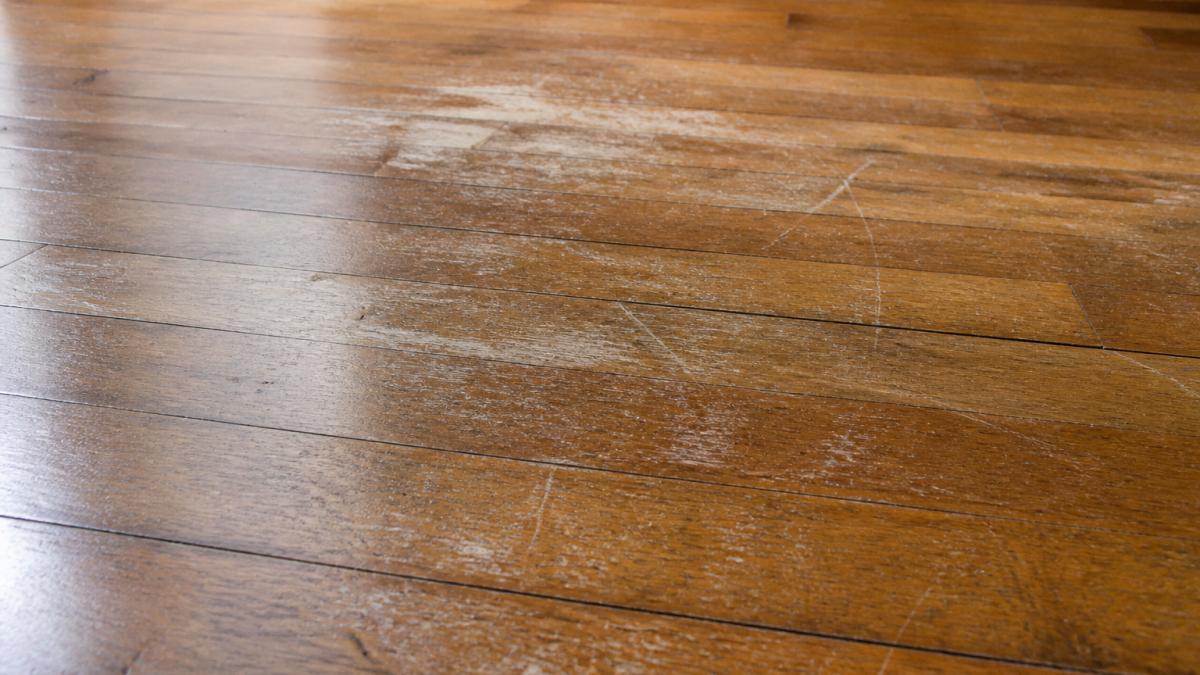
Water damage presents a different story. If you see cupping (edges higher than the center), crowning (center higher than edges), or soft spots when you walk, the wood has absorbed moisture and warped.
Gaps between boards are common in older homes and don't prevent refinishing. When wood dries out seasonally, gaps appear.
When Floors Need Replacement Instead
Engineered hardwood floors are often too thin to refinish. Engineered wood has a veneer of real hardwood over plywood. Once sanded, you risk sanding through the veneer and exposing the plywood layer.
Deep gouges, large stains that have penetrated the wood, and severe water damage all point toward replacement. If the damage goes beyond the surface layer, refinishing won't fix it.
Asbestos-containing finishes (found in some floors installed before the 1980s) require professional remediation before any sanding. Sanding these floors releases asbestos fibers, a serious health hazard.
Refinish or Replace Hardwood Floors: Making the Right Choice
The choice between refinishing and replacement depends on three factors: the condition of the wood, your timeline, and your budget. This is where most sellers get stuck, so let's break it down.
Refinishing works when the underlying wood is sound and the damage is surface-level. You're essentially resetting the clock on the floor's appearance without replacing the material. Replacement makes sense when the wood is structurally compromised, too thin to refinish, or damaged beyond what a sand cycle can repair.
For sellers, there's a fourth factor: urgency. Refinishing takes 5-7 days from start to finish, including drying time. Replacement takes 2-4 weeks. If you're listing in three months, refinishing keeps you on track. If you're listing in three weeks, replacement might not fit the timeline.
The real differentiator is cost. Refinishing is typically 30-50% less expensive than replacing the same square footage. But that's only true if the wood can actually be refinished. Getting a professional assessment early, before you commit to either path, saves you from discovering mid-project that the floors don't qualify.
Hardwood Floor Refinishing Cost and Budget Planning
Refinishing cost depends on several variables, and understanding them helps you estimate what you'll actually spend. We provide detailed estimates that account for the specific conditions of your home.
What Affects Your Refinishing Estimate
Square footage is the baseline. The larger the area, the higher the total cost, but per-square-foot pricing often decreases with scale. A 500-square-foot bedroom costs more per square foot than a 2,000-square-foot open floor plan.
Floor condition drives the estimate upward or downward. Lightly scratched floors with a dull finish require a standard sanding and finish. Heavily damaged floors with deep stains or gouges need extra prep work, spot repairs, or partial replacement of boards.
Wood species matters. Harder woods like oak and maple sand predictably and take finish evenly. Softer woods like pine are more prone to dust and require gentler sanding techniques. Exotic species may need specialized equipment or experience.
Finish type affects cost. Water-based polyurethane is faster to apply and dries quicker, reducing labor time. Oil-based finishes take longer to cure but create a different aesthetic.
Get at least two estimates before committing. A professional can identify hidden issues (like asbestos finishes or moisture problems) that affect pricing. Don't choose based on price alone. A contractor who underestimates the project may cut corners or abandon the job mid-way through.
Hardwood Floor Refinishing Timeline: Planning for Your Sale
Timeline matters when you're selling. You need the floors ready before open houses start, not after. Understanding the refinishing process helps you plan backward from your listing date.
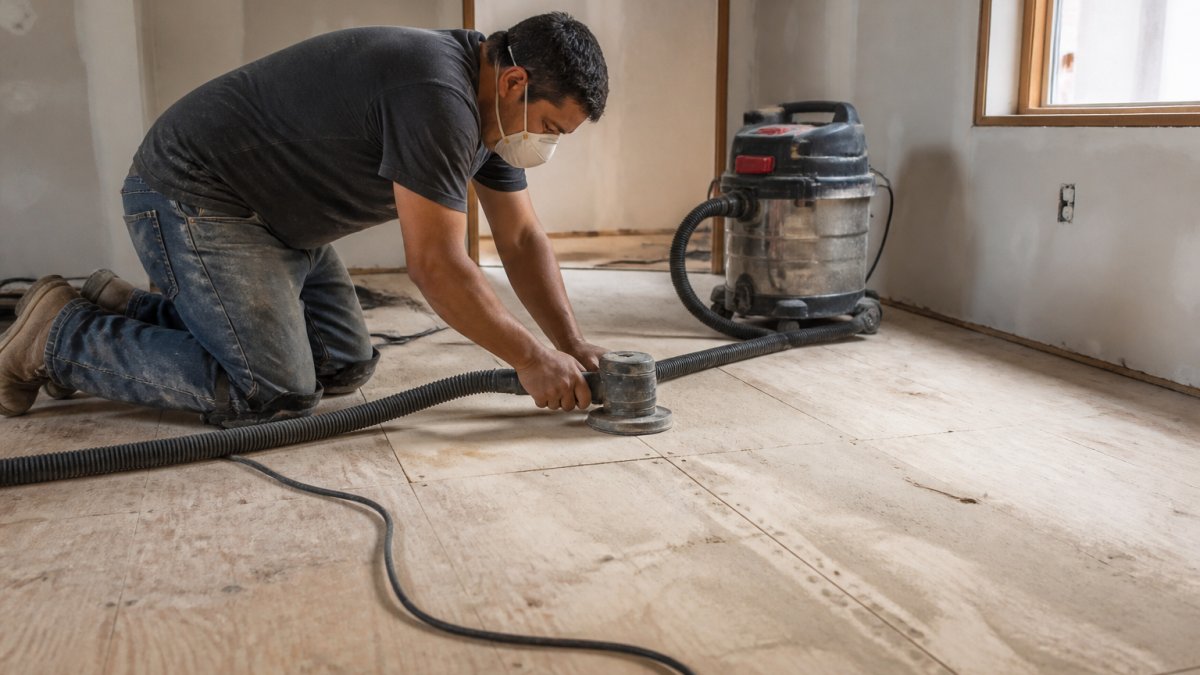
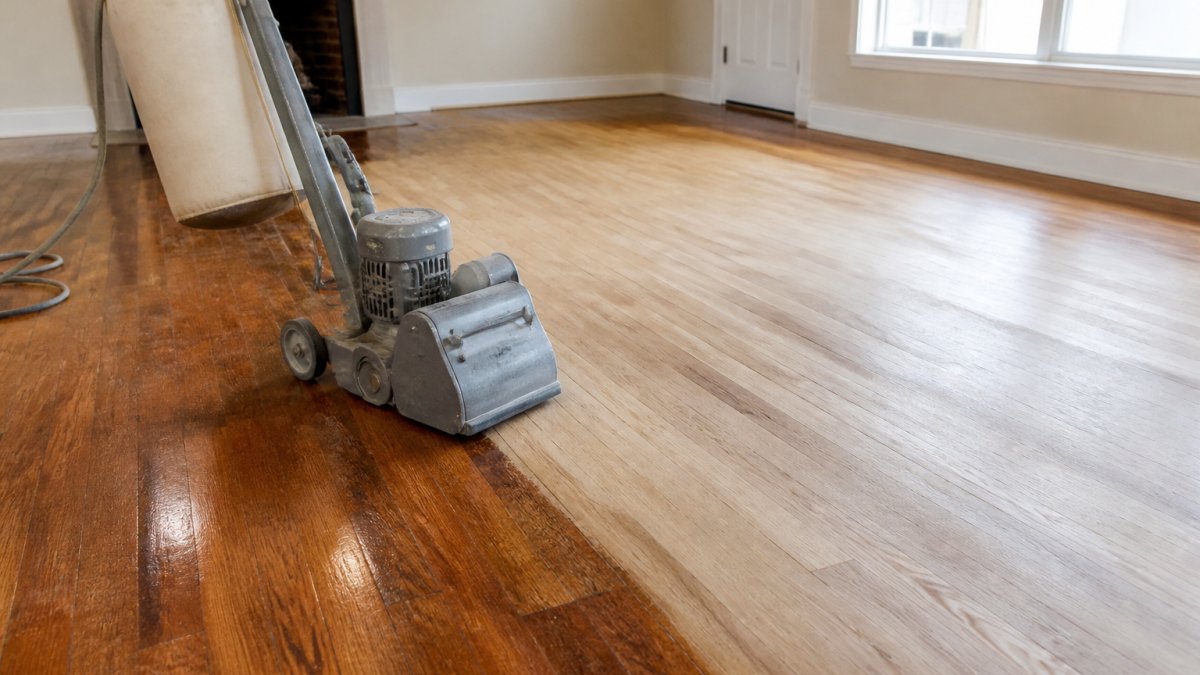
A typical refinishing project takes 5-7 days of active work, but the total timeline is longer. Day one and two cover sanding, removing the old finish and smoothing the surface.
After the contractor leaves, the floor needs 24-48 hours before you can walk on it normally. Heavy furniture can go back after 7 days, but the finish continues to harden for 30 days.
Pre-Sale Timing and Listing Readiness
Plan to refinish 2-3 weeks before your listing goes live. This buffer handles unexpected delays, weather, contractor scheduling, or issues discovered during sanding. It also lets the finish fully cure before buyers tour the home.
If you're selling during winter or in a humid climate, add extra time. High humidity slows finish drying and can affect how the wood accepts stain or polyurethane.
Coordinate refinishing with other pre-sale prep. Paint, repairs, and deep cleaning should happen before refinishing, not after. Sanding dust gets everywhere, so refinishing should be one of the last projects. After refinishing, only light cleaning and staging should occur.
Document the refinishing work. Take photos of the finished floors for your listing. Buyers want to see what they're getting, and professional photos of refinished hardwood are a selling point.
Professional Refinishing Versus DIY: What Works for Sellers
DIY refinishing is tempting when you're trying to maximize proceeds from a sale. But for sellers, professional refinishing almost always makes sense. Here's why.
Professional contractors have industrial-grade equipment that homeowners don't. A professional drum sander removes old finish and levels the floor in a fraction of the time a homeowner's rental equipment would take. The result is more consistent and faster. Professionals also know how to handle edge sanding, stair treads, and other tricky areas that rental equipment struggles with.
Experience prevents costly mistakes. A contractor knows when the wood needs extra prep, when staining will highlight unevenness, and when humidity will affect drying. They've seen problem floors and know how to handle them. Homeowners typically don't, and mistakes during refinishing can ruin the entire project.
For a home sale, professional refinishing protects your timeline and your investment. If something goes wrong with a DIY project, you can't easily fix it before showing the home. A professional stands behind their work if issues arise during showings or inspection.
The cost difference between professional and DIY is smaller than most people think. Renting equipment, buying materials, and accounting for your time usually brings DIY close to professional pricing. Add in the risk of mistakes, and professional work becomes the better financial choice for a sale-ready floor.
Return on Investment: Will Refinishing Help Your Home Sell?
This is the question that matters most. Refinishing floors for home sale is an investment, and investments should return value.
Refinished hardwood floors do increase buyer appeal. Buyers notice immediately when floors are well-maintained. A home with dull, scratched floors feels neglected, even if everything else is clean.
But refinishing doesn't always recoup its full cost at sale. According to National Association of Realtors data on home improvements, hardwood floor refinishing typically returns 50-80% of its cost in added home value.
In competitive markets where homes sell quickly, refinished floors are table stakes. Buyers expect them. In slower markets, refinishing may not move the needle as much.
The real ROI comes when refinishing is one of several improvements that collectively signal a well-maintained home.
Timing also affects ROI. Refinishing 2-3 weeks before listing captures the benefit through showings and open houses.
The best time to refinish is when the floor's condition is holding back your sale price.
Get a professional assessment from someone like Freddie Sanchez Hardwood Floors before deciding. A contractor can provide guidance on timing and finish selection to maximize buyer perception.
Selling a home with hardwood floors puts you at a crossroads: invest in refinishing to boost buyer appeal, or list as-is and accept lower offers.
Frequently Asked Questions
Should I refinish hardwood floors before listing my home?
Refinishing hardwood floors before listing can improve buyer appeal and perceived home value, especially if floors show visible scratches, stains, or surface wear. However, the decision depends on your timeline, budget, and floor condition. If you have three months or more before listing, refinishing often pays off. If you're listing sooner, focus on professional cleaning first. Work with your real estate agent and a flooring contractor to evaluate whether refinishing will recoup its costs in your local market.
How can I tell if my wood floors can be refinished?
Solid hardwood floors can typically be refinished multiple times if the wear layer is at least 2 millimeters thick. Engineered hardwood has a veneer and can be refinished only once or twice, depending on veneer thickness. Floors with deep gouges, cupping, or structural damage may need replacement instead. A professional flooring contractor can inspect your floors and determine whether refinishing is viable or whether replacement is necessary.
Is it cheaper to refinish hardwood floors or replace them?
Refinishing is almost always less expensive than replacing hardwood floors. Refinishing involves sanding the existing surface and applying a new protective finish, while replacement requires removing old flooring and installing new material, which costs significantly more. If your floors are structurally sound but worn, refinishing restores their appearance at a fraction of replacement cost. However, if floors are warped, severely damaged, or have moisture issues, replacement may be the only option.
How long does hardwood floor refinishing take?
A typical hardwood floor refinishing project takes 5 to 10 days, depending on floor area, finish type, and drying conditions. Sanding and preparation usually take 2 to 3 days, stain application (if desired) takes 1 day, and protective finish application and curing takes 2 to 5 days. Water-based finishes cure faster than oil-based finishes. For a home sale, plan refinishing at least 2 to 3 weeks before your listing goes live to allow full cure time and avoid timing pressure.
Will refinishing hardwood floors increase my home's resale value?
Refinishing hardwood floors typically improves buyer perception and can help your home show better, but it does not always increase resale value dollar-for-dollar. Buyers expect well-maintained floors, so refinishing restores expected condition rather than adding premium value. However, homes with refinished hardwood floors often sell faster and may command slightly higher offers in competitive markets. The return depends on local buyer preferences, your market's condition, and how much you spend on refinishing.
What should I do if my floors are scratched but I'm selling soon?
If you're selling within 4 to 6 weeks, professional cleaning and minor touch-ups may be better than full refinishing. Deep scratches and stains will be visible to inspectors and buyers, but rushing a refinishing project risks incomplete cure before showings. Work with a flooring contractor to assess whether partial refinishing of high-traffic areas, spot repairs, or full refinishing fits your timeline. In some cases, negotiating repair costs with buyers after inspection is more practical than refinishing before listing.
Can engineered wood floors be refinished before selling?
Engineered hardwood can be refinished, but only once or twice depending on the veneer thickness. Many engineered floors have a thin veneer and cannot be sanded as deeply as solid hardwood. Before refinishing, have a professional assess your engineered flooring to confirm it can withstand sanding. If your engineered floors cannot be refinished, focus on professional cleaning, repair of squeaky or gapped areas, and staging to present them in the best condition for buyers.