 ultimate-guide
Refinishing Hardwood Floors Before Selling: ROI Guide
Table of Contents
- Does Refinishing Hardwood Floors Increase Home Value?
- Signs Your Hardwood Floors Need Refinishing Before Listing
- Hardwood Floor Refinishing ROI: What to Expect
- Cost to Refinish Hardwood Floors Per Square Foot
- How Long Does It Take to Refinish Hardwood Floors?
- Can You Refinish Engineered Wood Floors?
- DIY vs. Professional Refinishing: Which Protects Your Sale Timeline
- Frequently Asked Questions
Last Updated: September 29, 2026
Does Refinishing Hardwood Floors Increase Home Value?
Refinishing hardwood floors before selling can meaningfully improve your home's appeal and perceived condition, but the return on investment depends heavily on your floor's current state and your local real estate market. When floors are visibly worn, scratched, or dull, refinishing them often justifies the cost because buyers immediately notice the difference. The resale value impact varies, some markets reward floor condition more than others, and the actual dollar increase depends on your home's price point and location.
Refinishing hardwood floors can help homes sell faster, though the impact on the final sale price varies. The key distinction is whether your floors are preventing a sale or simply looking tired. A home with severely damaged hardwood flooring may sit on the market longer, while one with refreshed, gleaming floors photographs better and shows cleaner during walkthroughs.
The real question isn't whether refinishing adds value in dollars, it's whether the cost to refinish hardwood floors before selling aligns with buyer expectations in your market. If comparable homes in your area have refinished hardwood flooring, not refinishing yours puts you at a disadvantage. If they're mostly carpeted or in poor condition, refinishing may be overkill.
Signs Your Hardwood Floors Need Refinishing Before Listing
Your floors need attention if they show surface wear that's visible from normal standing height. Deep scratches, gouges, or areas where the finish has worn through to bare wood are red flags that catch buyer eyes immediately. Dull, hazy finishes that don't reflect light also signal age and neglect, even if the underlying wood is structurally sound.
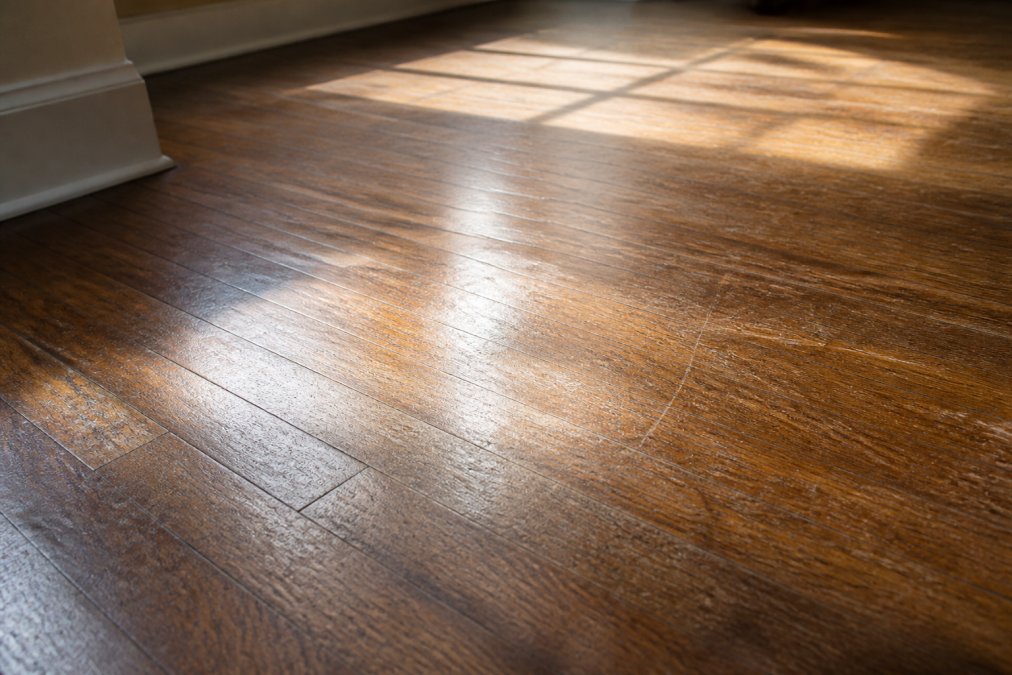
Gaps between boards are another consideration. If gaps have widened over time due to seasonal movement, refinishing won't fix them, but fresh finish can minimize how obvious they are. Cupping or crowning (boards that curve upward or dip downward) indicates moisture problems and may require more than refinishing to address properly.
Water stains, discoloration, or dark spots suggest past moisture damage. These don't always disappear with sanding, especially if they've penetrated the wood grain. Sticky or tacky finishes that feel rough underfoot mean the existing polyurethane has broken down and needs replacement. Squeaky boards are annoying but don't necessarily require refinishing, they often indicate structural movement beneath the floor.
The most straightforward indicator: if your hardwood floors look noticeably worse than the rest of your home, they need refinishing before listing. Buyers compare everything they see, and dingy floors in an otherwise updated house create cognitive dissonance.
Hardwood Floor Refinishing ROI: What to Expect
The return on investment for refinishing hardwood floors before selling typically ranges from modest to moderate, depending on your specific situation. In strong real estate markets where hardwood flooring is standard, refinishing often pays for itself through faster sale times and fewer price negotiations. In weaker markets or areas where engineered wood dominates, the ROI may be breakeven or slightly negative.
What matters most is how refinishing affects buyer perception and showability. Refreshed hardwood flooring photographs better for online listings, which means more showings. More showings typically lead to competitive offers. Even if refinishing doesn't add a dollar-for-dollar return on the actual cost, the faster sale and fewer price reductions often offset the expense.
Professional contractors generally see better outcomes than DIY attempts. A poorly executed refinishing job, visible lap marks, uneven stain color, or patchy finish, can actually hurt your sale. Buyers notice sloppy work and may assume other systems in the home were similarly neglected.
The timeline also affects ROI. If you refinish and the home sells within 30 days, the fresh floors contributed directly. If the home sits for six months, the finish will show traffic wear and dust accumulation, reducing the visual benefit you paid for.
Cost to Refinish Hardwood Floors Per Square Foot
Refinishing costs depend on several variables: floor size, existing finish condition, wood species, stain color choice, and finish type. For a professional refinishing project, expect to budget based on the scope of work needed. Lightly worn floors requiring minimal sanding cost less than heavily damaged floors needing aggressive sanding and multiple coats.
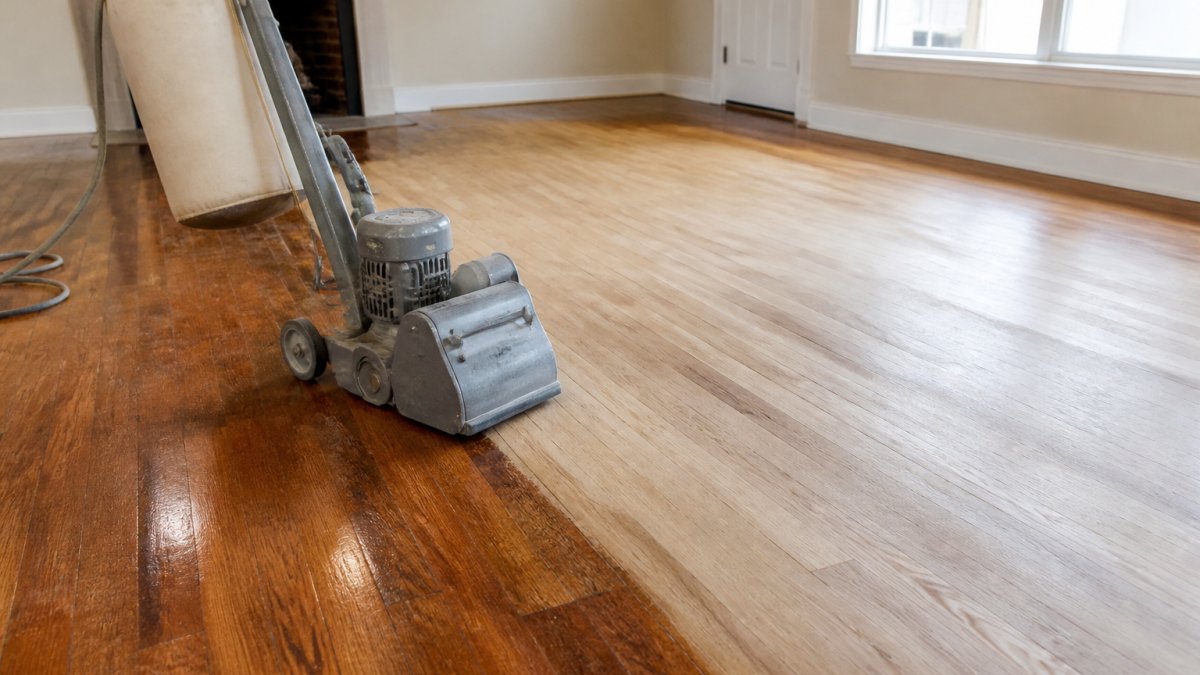
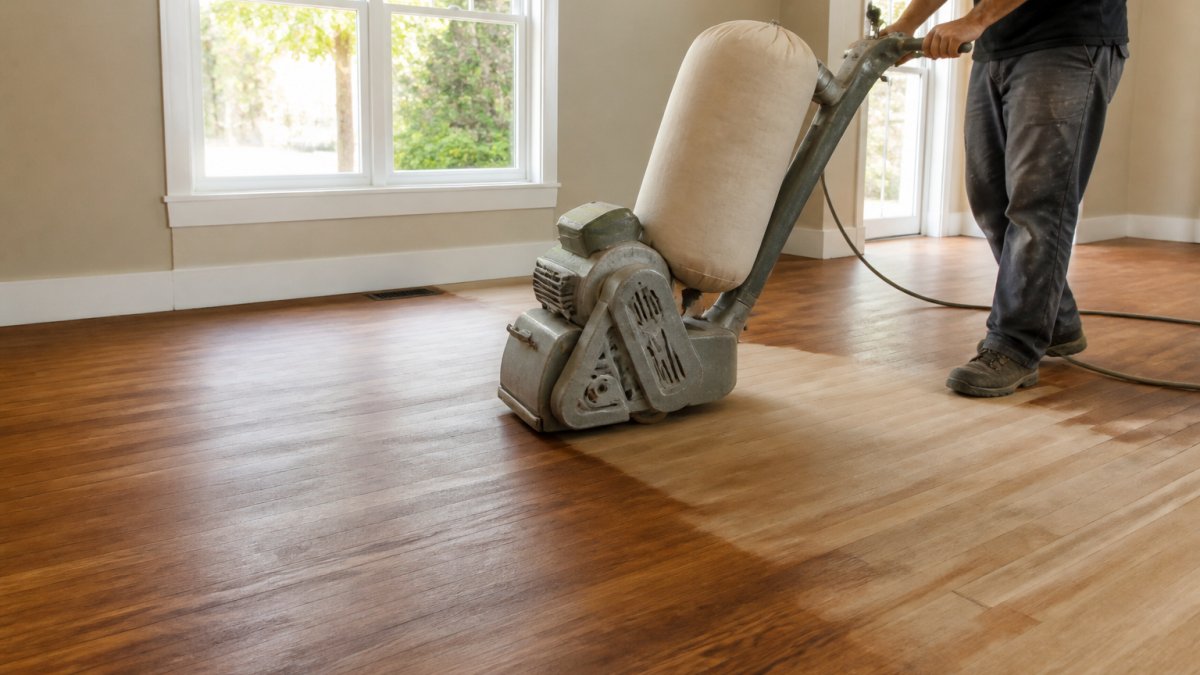
The process itself, sanding, staining, applying polyurethane, and curing, is labor-intensive. A 1,000-square-foot project typically requires 3-5 days of professional work, not including curing time. Larger homes or complex layouts with multiple rooms take proportionally longer.
For current pricing and a detailed estimate tailored to your specific floor condition, contact Freddie Sanchez Hardwood Floors for a free quote. We assess your floor's current state and provide transparent pricing based on the actual work required.
Factors that increase cost include:
- Removing old glue or carpet adhesive
- Repairing gaps or replacing damaged boards
- Multiple stain applications for color matching
- Custom finish specifications (matte, satin, high-gloss)
- Dust containment and cleanup
Factors that decrease cost include:
- Floors in decent condition requiring only light sanding
- Consistent stain color throughout (no color correction needed)
- Standard polyurethane finish without specialty coatings
- Open floor plans with fewer transitions between rooms
How Long Does It Take to Refinish Hardwood Floors?
The timeline to refinish hardwood floors before selling typically spans 5-10 days total, including preparation, sanding, staining, finish application, and curing. The actual work, sanding and applying finish, usually takes 3-5 days depending on square footage and floor condition. The remaining time is curing, during which you cannot walk on the floors or move furniture back into the space.
Polyurethane finish cures in stages. After the first coat, the floor is dry to the touch within 4-6 hours but not fully cured for 24-48 hours. Full cure, where the finish reaches maximum hardness, typically takes 7-14 days depending on humidity, temperature, and the specific polyurethane product used. During this curing period, the floor is vulnerable to dust, footprints, and damage.
For sellers on a tight timeline, this is critical.
Can You Refinish Engineered Wood Floors?
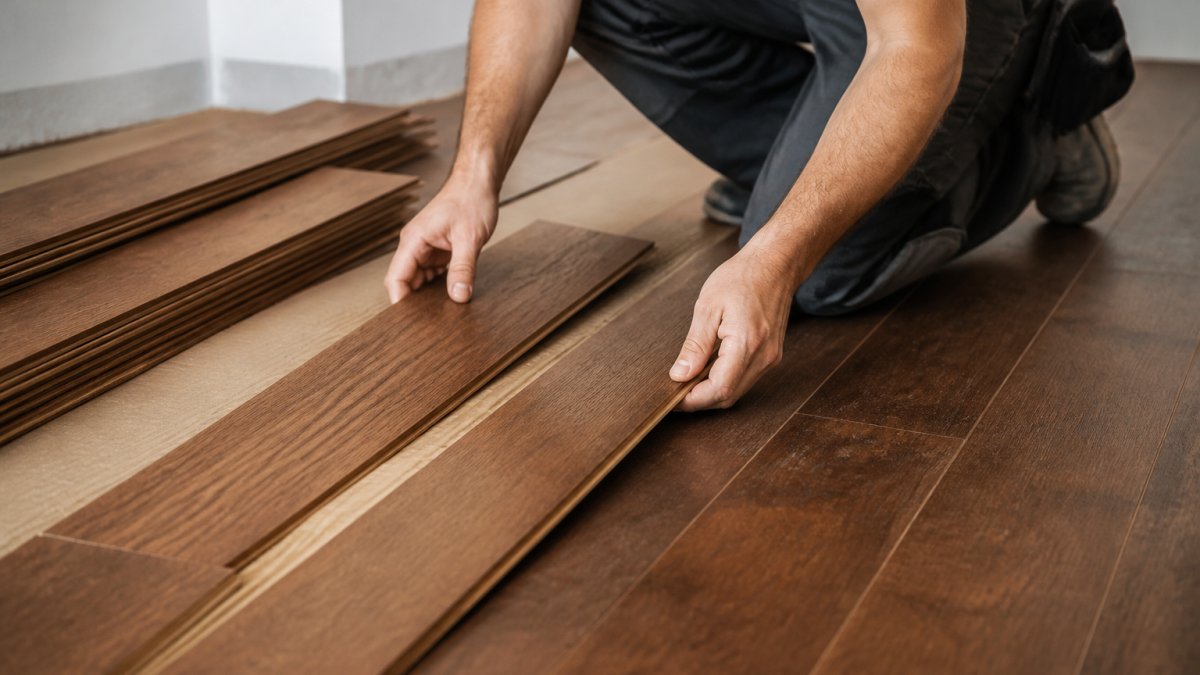
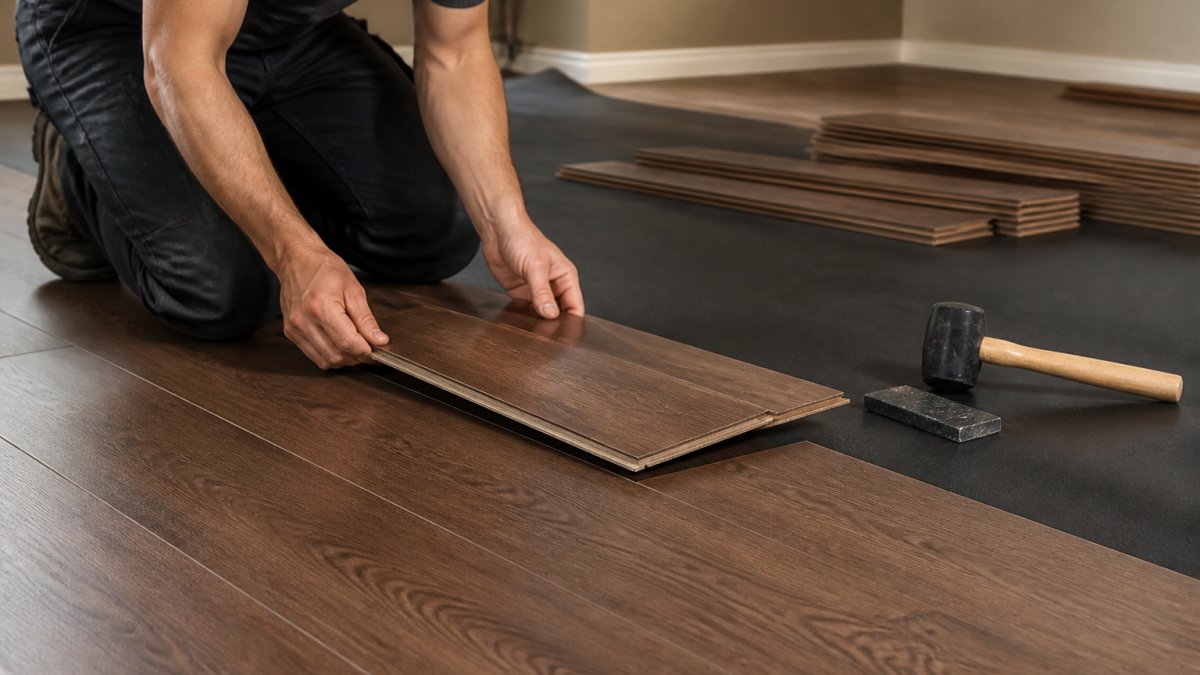
Engineered hardwood floors present a different challenge than solid hardwood. Engineered wood consists of a thin veneer of real hardwood bonded to a plywood or high-density fiberboard base. This construction limits how much sanding you can do, sand too aggressively and you'll breach the veneer and expose the substrate beneath.
DIY vs. Professional Refinishing: Which Protects Your Sale Timeline
Attempting DIY refinishing before selling is risky. The margin for error is tight when you're working against a listing date and buyer expectations. A professional contractor manages dust containment, humidity control, finish application consistency, and curing conditions, all factors that directly affect the final appearance and durability.
| Refinishing Scenario | Timeline | Best For | ROI Potential |
|---|---|---|---|
| Floors heavily worn, strong hardwood market | 1-2 weeks before listing | Homes with visible damage in competitive markets | High |
| Floors moderately worn, standard market | 2-3 weeks before listing | Typical residential sales where hardwood is common | Moderate |
| Engineered wood, light wear | Professional assessment required | Homes where refinishing is viable and timing permits | Variable |
| Floors in good condition, weak hardwood market | Consider alternatives | Markets where hardwood condition isn't a buying factor | Low |
Frequently Asked Questions
Does refinishing hardwood floors increase home value before selling?
Refinishing hardwood floors can positively influence buyer perception and marketability, especially when floors show significant surface wear or scratches. The impact on listing price depends on floor condition, local market expectations, and how well the refinishing is executed. Buyers often view refinished hardwood flooring as a sign of home maintenance and care, which can affect their willingness to offer. However, the return on investment varies by region and buyer demographics, some markets prioritize hardwood restoration more than others.
Can you refinish engineered wood floors before selling?
Engineered wood floors can be refinished, but only once or twice during their lifetime, depending on the veneer thickness. Unlike solid hardwood, engineered boards have a thin layer of real wood bonded to a plywood base, which limits sanding depth. If your engineered floors have surface wear but the veneer is still intact, refinishing is possible and can restore appearance for buyer showings. However, if damage is deep, replacement may be the only option. A professional contractor can assess whether your engineered floors are candidates for refinishing.
How long does hardwood floor refinishing take, and will it disrupt my sale timeline?
Hardwood floor refinishing typically takes 3-7 days depending on floor size, condition, and the number of coats applied. Polyurethane finishes require curing time, usually 24-48 hours before light foot traffic and 7-14 days for full hardness. If you're selling within weeks, plan refinishing early to allow adequate curing before showings. Dust containment during sanding can also affect your ability to stage other rooms simultaneously. Professional contractors manage timelines carefully to ensure floors are market-ready without delaying your listing.
Is refinishing hardwood floors worth the cost before selling?
Refinishing is most worthwhile when floors show visible surface wear, scratches, or a dull finish that affects curb appeal and buyer perception. If your hardwood flooring is in fair condition with minor cosmetic issues, refinishing can enhance marketability and justify a higher listing price. However, if floors have structural problems like wood rot, significant gaps, or subfloor damage, refinishing alone won't solve the issue, you may need floor restoration or replacement. Get a professional assessment to determine whether refinishing will meaningfully improve your home's resale value in your local market.