 comparison
Riveras Fine Flooring vs Clarks Hardwood: 2026 Comparison
Table of Contents
- Riveras Fine Flooring vs Clarks Hardwood: How the Two Compare
- Side-by-Side Flooring Comparison Table
- Questions to Ask a Flooring Contractor Before You Sign
- Your Hardwood Flooring Estimate Checklist
- Hardwood Floor Installation Timeline: What to Expect
- Engineered Hardwood Pros and Cons for Bay Area Homes
- Which Flooring Provider Fits Your Project?
- Frequently Asked Questions
Last Updated: October 21, 2026
Riveras Fine Flooring vs Clarks Hardwood: How the Two Compare
Choosing between Riveras Fine Flooring vs Clarks Hardwood comes down to one question: do you want a specialist or a generalist?
At Freddie Sanchez Hardwood Floors, we install and finish wood floors for homeowners and property managers across the San Martin and Bay Area region, so we read contractor comparisons closely. Here is the short answer: Rivera's Fine Flooring suits homeowners who want a wood-only specialist and already know their material.
Below, we break down how the two compare on scope, process, and fit, then give you the questions and checklist that matter more than any brand name.
Side-by-Side Flooring Comparison Table
The table below summarizes what the public information from each company shows, with gaps noted honestly.
| Factor | Rivera's Fine Flooring | Clarks Hardwood |
|---|---|---|
| Primary focus | Hardwood flooring specialist | Multi-category flooring company |
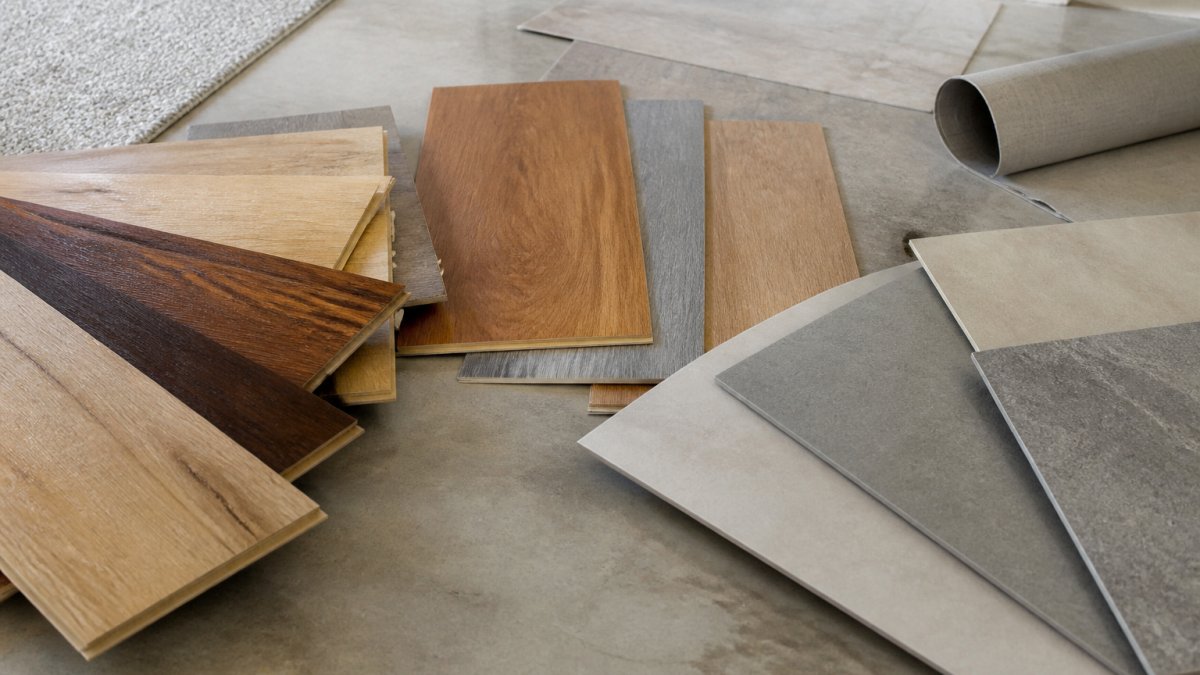
| Materials discussed | Solid and engineered wood | Hardwood, luxury vinyl plank, carpet, tile |
| Selection guidance | Material-first, wood-focused | Lifestyle and budget-based |
| Pricing model | Quote-based | Quote-based |
| Published service area | Limited public detail | Limited public detail |
| Best for | Buyers set on wood | Buyers comparing flooring types |
Neither company publishes detailed pricing, service-area maps, or warranty terms in the sources we reviewed. That is not a red flag on its own, but it means you should request those details in writing before signing. For a neutral primer on how flooring types perform, the Consumer Reports flooring buying guide covers durability and material trade-offs without pushing a contractor.
Questions to Ask a Flooring Contractor Before You Sign
Ask these questions before any deposit changes hands, and ask them of Rivera's Fine Flooring, Clarks Hardwood, and us alike. The answers separate organized contractors from rushed ones.
- Who is on the crew, and are they employees or subs? Subcontracted crews are common, but you deserve to know.
- What is the moisture plan? On older Bay Area homes, a basement or crawlspace moisture issue can cup a floor within a season. Ask how they test and what they do if readings are high.
- What does the warranty cover, and for how long? Get it in writing, including what voids it.
- How do you handle change orders? A written change-order process protects both sides.
- Can I see photos of comparable projects? Ask for jobs similar in age, subfloor, and material to yours.
- Who is my point of contact during the project? One named person beats a general office line.
Your Hardwood Flooring Estimate Checklist
Most flooring quotes you will receive from Rivera's Fine Flooring, Clarks Hardwood, or any other provider arrive as a single number. That number is nearly useless for comparison until it is broken into the same line items across every bid. The checklist below is built to force that breakdown, and it doubles as the quote-comparison framework the top search results for this query do not provide.
Ask each provider to return their proposal in this order, with a dollar figure or an explicit "included" or "not included" next to every line:
- On-site measured square footage, room by room. Not a homeowner estimate. Ask whether closets, hallways, and stair landings are counted.
- Material specification. Species, grade, plank width, thickness, wear-layer thickness for engineered products, and finish type (site-finished versus factory-finished).
- Material cost versus labor cost, shown separately. This is the single most useful split when comparing bids, because labor rates vary more than material prices in most markets.
- Removal and disposal of existing flooring, priced as its own line. Haul-away and dump fees should be visible, not buried.
- Subfloor preparation and leveling scope. Ask what triggers a change order here, since subfloor surprises are the most common source of mid-project cost increases.
- Moisture testing: included or excluded, and what happens if readings are high. Get the remedy and its cost in writing before work starts.
- Trim, baseboard removal and reinstall, shoe molding, and transition strips. These are frequently omitted from the headline number and added later.
- Stair work priced per step, with the number of steps stated.
- Finish schedule: number of coats, sheen level, and whether sealer is separate.
- Acclimation time and who is responsible for site conditions (temperature, humidity, HVAC running).
- Project start date, working days, and completion date in writing.
- Payment schedule tied to milestones, with the deposit amount stated as a percentage.
- Warranty terms attached as a document, including labor versus material coverage and what voids it.
- Change-order process: who approves, in what form, and at what price.
A practical way to use this list: send the same checklist to both providers and ask each to respond to it line by line. A contractor who itemizes scope is a contractor who has thought about your job. A contractor who returns a lump sum and resists breaking it down is telling you something about how change orders will go later.
Hardwood Floor Installation Timeline: What to Expect
Timelines are where flooring bids diverge most, and where a versus comparison becomes useful. Two providers can quote similar totals and still deliver very different schedules depending on crew size, whether they site-finish or install factory-finished material, and how they handle acclimation and cure time.
A typical residential sequence looks like this:
- Consultation and on-site measurement. Scope, material, and subfloor conditions confirmed. Expect this to happen before any deposit.
- Written proposal and contract. The estimate checklist above should be attached.
- Material order and delivery. Lead times vary by species and grade; ask for the expected delivery window in writing.
- Acclimation. Boards rest in the conditioned home so they adjust to indoor humidity. This commonly takes several days and should not be skipped or shortened to hit a start date.
- Removal and disposal of old flooring.
- Subfloor preparation and moisture testing. Leveling, patching, and readings recorded before installation.
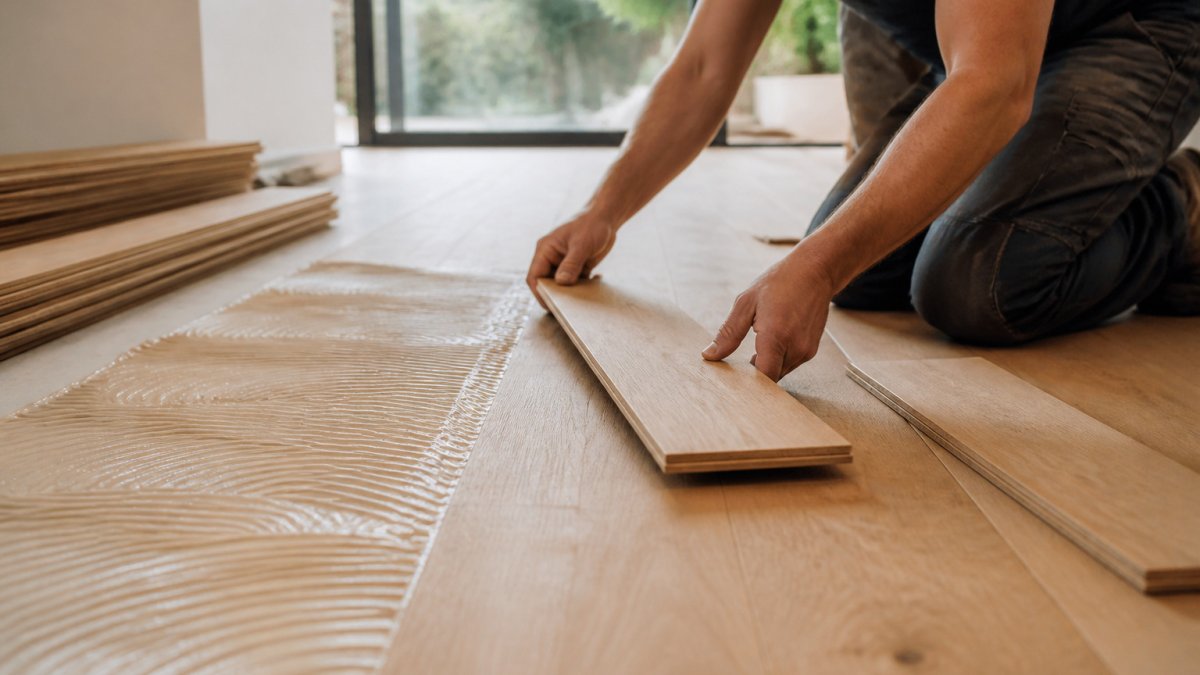
- Installation. Nail-down, glue-down, or floating depending on material and subfloor.
- Sanding and finishing if the floor is site-finished. Factory-finished material skips this step but still needs trim and transitions.
- Cure time before furniture and heavy foot traffic. The finish manufacturer's cure window governs this, not the contractor's convenience.
- Final walkthrough and punch list.
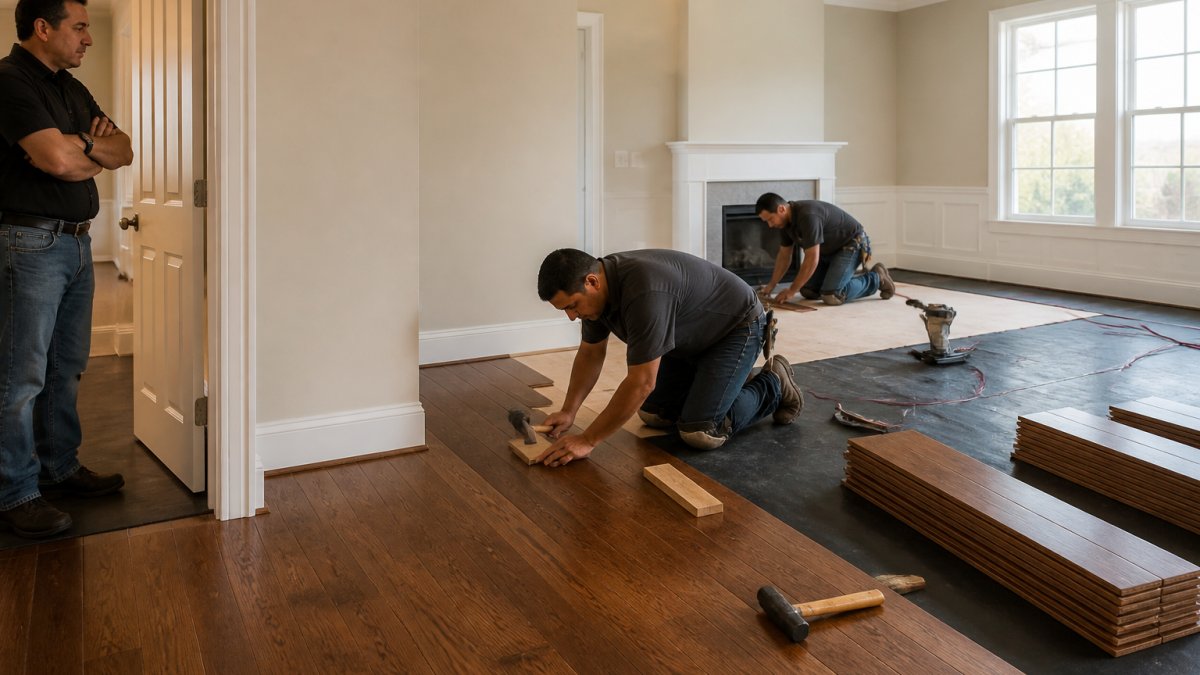
A single room is often a few working days once material is on site.
What to ask each provider about process and warranty:
- Crew model. Are installers employees or subcontractors? Who supervises on site, and is that person named in the contract?
- Daily cleanup and dust control. Ask whether sanding uses dust containment and who is responsible for final cleanup.
- Occupancy. Can you stay in the home during the work, and which days will be unusable?
- Warranty structure. Ask for labor and material coverage separately, the length of each, transferability if you sell the home, and the specific conditions that void coverage, improper humidity control and unapproved cleaning products are common exclusions.
- Change-order handling. What happens if subfloor damage or high moisture readings are found after work begins, and how is the added cost approved?
The practical takeaway for this comparison: ask both providers for the same written schedule, the same warranty document, and the same change-order terms. The provider whose paperwork is specific and dated is the one whose timeline you can actually plan around.
Engineered Hardwood Pros and Cons for Bay Area Homes
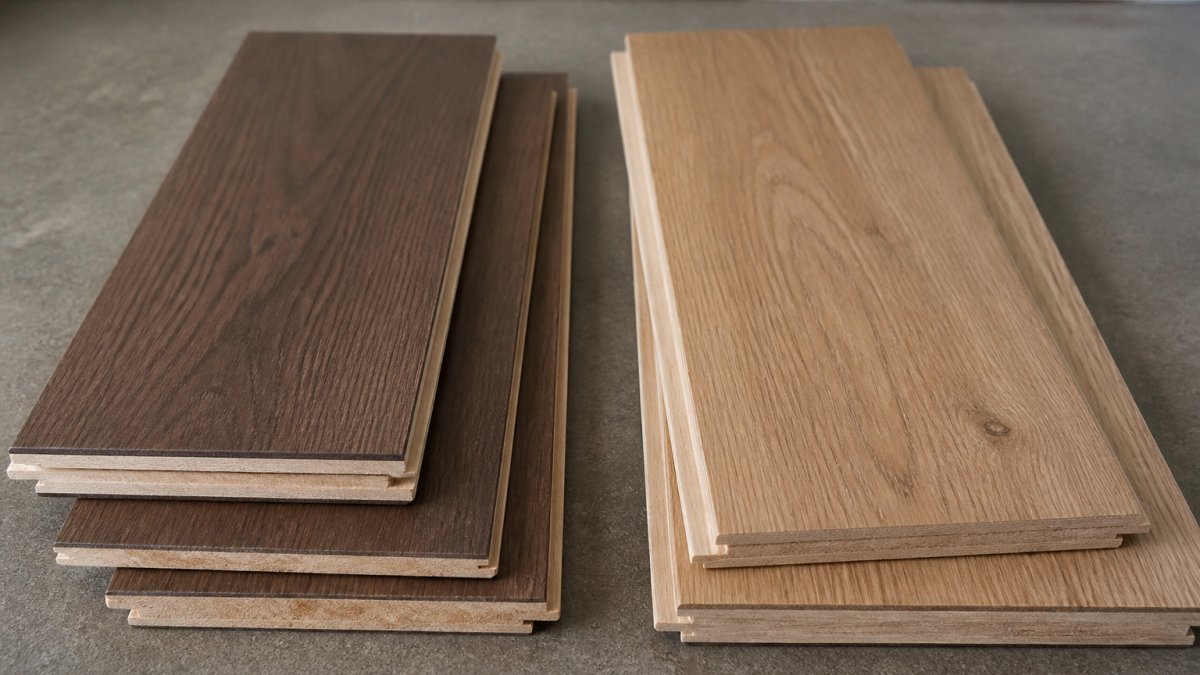
Engineered hardwood is a real wood top layer bonded to a plywood core, and it handles humidity swings better than solid wood in many cases. That stability is why it shows up often in Bay Area homes with slab foundations or older crawlspaces. The trade-off: the wear layer limits how many times it can be refinished, and quality varies widely by brand.
Pros:
- More stable under humidity changes than solid wood
- Works over concrete slabs and in basements
- Often lower material cost than solid hardwood
- Faster installation in many cases
Cons:
- Thin wear layers limit refinishing to once or not at all
- Quality depends heavily on core construction
- Can sound hollow underfoot compared to solid wood
- Resale buyers may still prefer solid wood
If you are weighing materials, the Consumer Reports tested flooring rankings evaluate durability and scratch resistance across brands, which helps you judge a specific product rather than a category.
Which Flooring Provider Fits Your Project?
Pick Rivera's Fine Flooring if you have already chosen hardwood and want a wood-only specialist handling the job. Pick Clarks Hardwood if you are still comparing hardwood against luxury vinyl plank, carpet, or tile and want a company that talks through lifestyle and budget first.
Neither choice removes your homework. The contractor who tests moisture, itemizes the estimate, names a point of contact, and puts the timeline and warranty in writing is the one worth hiring, regardless of the logo on the truck. That is the standard we hold ourselves to at Freddie Sanchez Hardwood Floors: expert installation, durable craftsmanship, and constant communication until the job is done.
Frequently Asked Questions
What are three popular types of hardwood flooring?
The three most common choices are solid hardwood, engineered hardwood, and site-finished versus prefinished planks. Solid hardwood is a single piece of wood that can be sanded and refinished multiple times. Engineered wood uses a real wood top layer over a plywood core, which handles moisture swings better. Prefinished boards arrive with the finish already applied, cutting days off the installation timeline. Ask each provider which type they recommend for your room and why.
How should I compare hardwood flooring installation quotes?
Line up quotes on the same scope: square footage, material grade, removal of old flooring, subfloor prep, trim work, and finish coats. A low number often skips subfloor repair or moisture testing. Use a hardwood flooring estimate checklist so every bid covers the same items, then compare total cost and what is excluded. Ask whether the quote is fixed or subject to change after demolition reveals hidden damage.
What should I check in a flooring contractor's reviews?
Look past star averages. Read reviews that mention timelines, communication, and how problems were handled after the job. A contractor with a few detailed reviews about fixes and follow-ups tells you more than dozens of one-line ratings. Check for a business license, insurance, and any manufacturer accreditation, and confirm the reviewer's project matches yours in size and flooring type.
Is engineered hardwood worth the investment?
For many homes, yes. Engineered hardwood handles humidity swings better than solid wood because its plywood core resists expansion and contraction. It installs over concrete slabs and in basements where solid wood struggles. The trade-off: the top wear layer limits how many times it can be refinished, often once or twice. Weigh that against the lower risk of cupping and the faster installation timeline.
How long does hardwood floor installation usually take?
A typical single-room installation runs two to four days, while a whole-house project can take one to two weeks. Site-finished floors add drying time between coats, often two to three extra days. Engineered and prefinished planks move faster because the finish is already applied. Ask each provider for a written schedule with start and completion dates, and confirm how acclimation time for the wood fits into that window.
The hardest part of a flooring project is not picking a name; it is getting a scope, timeline, and warranty you can actually rely on. Freddie Sanchez Hardwood Floors handles expert wood floor installation with high standards of craftsmanship and durability, plus clear communication from the first estimate to the final walkthrough. Get a free quote and we will walk your space, test the subfloor, and put the plan in writing before any work starts.