 blog
Slaughterbeck Floors Alternative: Homeowner Guide
Table of Contents
- Why Homeowners Seek a Slaughterbeck Floors Alternative
- Provider Comparison Criteria for a Slaughterbeck Floors Alternative
- Questions to Ask a Flooring Contractor Before You Sign
- Hardwood Flooring Installation Cost: What Drives the Number
- Engineered Hardwood Flooring vs Solid: Which Fits Your Home
- Hardwood Floor Installation Timeline From Quote to Final Walkthrough
- Frequently Asked Questions
Last Updated: October 17, 2026
Why Homeowners Seek a Slaughterbeck Floors Alternative
Homeowners searching for a Slaughterbeck Floors alternative usually aren't chasing a lower price. At Freddie Sanchez Hardwood Floors, we hear the same three concerns: unclear start dates, vague pricing, and uncertainty about post-crew problems.
The U.S. Environmental Protection Agency's guidance on indoor air quality during renovation is one reason homeowners now ask harder questions about dust control and finishes before signing anything.
Below, we break down what to compare, what to ask, and how the numbers and timelines work, so you can evaluate any provider equally.

What to Compare Before You Switch Providers
Start with the quote structure, not the total. A Slaughterbeck Floors alternative should be judged on what the estimate includes: tear-out, subfloor prep, finish coats, trim removal and reinstallation, and haul-away.
Next, compare scheduling commitments in writing. A contractor who puts a start window and completion date in the contract is telling you how they run jobs.
Finally, compare the warranty terms side by side. Coverage length matters less than what voids it.
Provider Comparison Criteria for a Slaughterbeck Floors Alternative
The right way to compare flooring contractors is on documented criteria, not the total at the bottom of the bid. Most homeowners comparing a Slaughterbeck Floors alternative weigh six things: verifiable licensing and insurance, written scope, schedule reliability, moisture handling, finish quality, and post-installation support.
Here is the scorecard we would use on any provider, including ourselves. Print it, bring it to each estimate, and fill in one column per contractor.
| Criterion | What to Verify | How to Verify It | Red Flag |
|---|---|---|---|
| Licensing | Active state contractor license number on the bid | Look up the license number on the state licensing board's public lookup | No license number, or a number that belongs to a different business name |
| Insurance | General liability and workers' compensation coverage | Request a certificate of insurance naming you as certificate holder; call the carrier to confirm it is current | "We're covered" with no certificate, or a certificate that expired |
| Written scope | Line-item estimate listing tear-out, prep, material, finish, trim, and haul-away | Compare line items across bids, not totals | A single lump-sum number with no breakdown |
| Schedule | Start window and completion date in the contract | Read the contract, not the verbal promise | "We'll get to you in a few weeks" with nothing in writing |
| Moisture handling | Test method and recorded readings before install | Ask for the readings in writing before the crew starts | Skipping the test to save a day |
| Finish quality | Product name and number of coats specified | Ask for the product data sheet and coat count | "Standard finish" with no product named |
| Aftercare | Warranty terms, exclusions, and callback process | Read what voids coverage, not just the length | A warranty that is voided by normal seasonal movement |
| References | Two or three recent, comparable completed projects | Call the references and ask about callbacks and timeline | References that are all older than a year, or none at all |
Licensing and Insurance: The First Filter
Before you compare anything else, confirm the contractor is licensed in your state and carries both general liability and workers' compensation insurance. A license number should appear on the written estimate; if not, ask for it and look it up on the state licensing board's public lookup. Insurance matters because a worker injured on your property without workers' compensation coverage can become your liability.
Written Scope: Compare Line Items, Not Totals
Two bids that differ by thousands usually differ in what they exclude, not in what the work costs. Put the line items side by side: tear-out and disposal, subfloor prep and leveling, material and grade, finish product and coat count, trim removal and reinstallation, and haul-away. If one bid has no subfloor prep line, it is not a lower price, it is a smaller scope.
Schedule Reliability: Get Dates in the Contract
Ask how many crews will be on site, whether the same crew starts and finishes, and how they handle material lead times. A verbal "about three weeks" is not a schedule; a written start window and completion date is.
Moisture Handling: Ask for the Readings
Moisture is the most common cause of callbacks, and the test is cheap relative to the repair. Ask each contractor what method they use, whether they record readings, and whether those readings are shared with you before installation. A provider who tests and documents is protecting the floor. One who skips it is protecting the schedule.
Finish Quality and Aftercare
Ask for the finish product name and number of coats, and read the warranty for what voids it, not just how long it lasts. A warranty voided by normal seasonal movement, or by failing to maintain indoor humidity within a specified range, is narrower than its length suggests. Ask who returns if a board lifts or a gap appears, and what the callback process is.
Questions to Ask a Flooring Contractor Before You Sign
The most useful questions to ask a flooring contractor force specifics: who tests for moisture, what voids the warranty, and who returns if something goes wrong. Vague answers are your signal to keep looking.
Bring this list to every estimate:
- Will you test and document subfloor moisture before installation?
- Is this a fixed bid, and what could change it?
- Who moves furniture, and who removes existing flooring?
The moisture question matters most in older homes. Cupping, crowning, and seasonal gaps almost always trace back to moisture that was never measured, not to bad material.
Hardwood Flooring Installation Cost: What Drives the Number
Hardwood flooring installation cost depends on square footage, wood species and grade, subfloor condition, removal of existing flooring, finish selection, and site access. No honest contractor quotes a firm number before seeing the subfloor. Before any quote arrives, set up a like-for-like comparison so every bid is measured on the same basis.
Build a Line-Item Bid Template
Ask every contractor to price the same line items, in the same order, so bids compare directly. A complete hardwood bid typically breaks into these lines:
- Tear-out and disposal. Removal of existing flooring and haul-away, priced separately from installation.
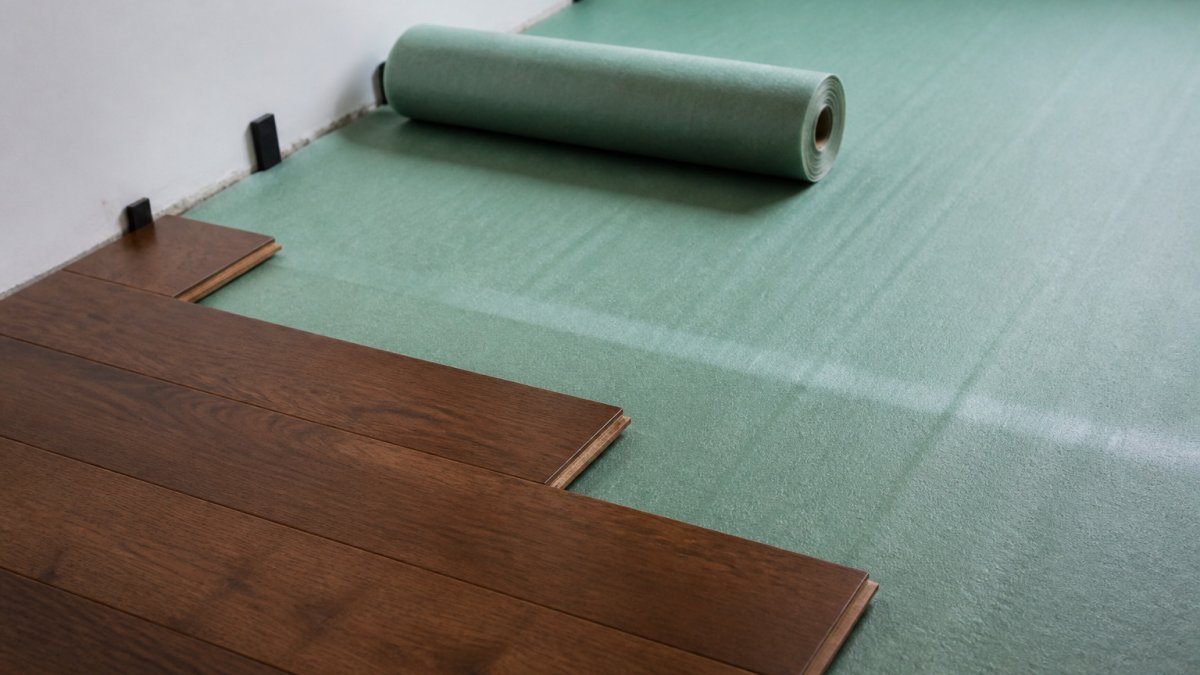
- Subfloor preparation. Leveling, patching, or replacing sections, plus any underlayment.
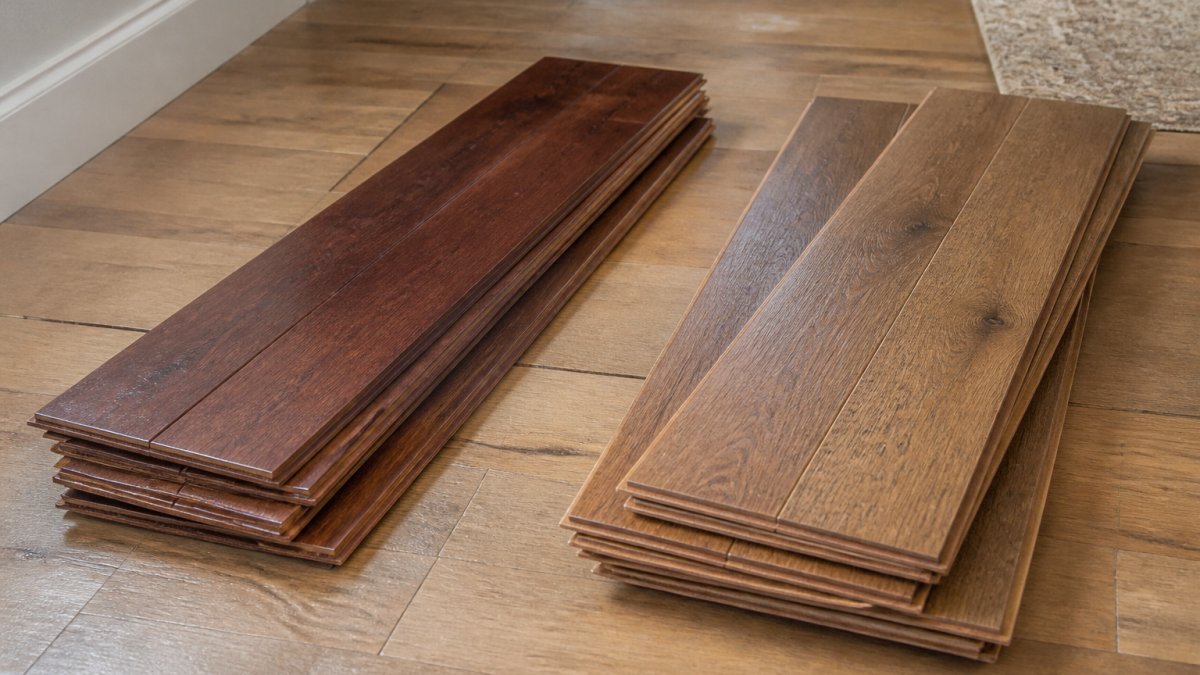
- Material. Species, grade, plank width, and whether it is solid or engineered, priced by square foot with a waste factor.
If a bid omits a line, ask whether it is excluded or included at no charge. An omitted line is usually an exclusion.
The Variables That Move the Estimate Most
- Square footage and layout. Rooms with many corners, closets, and doorways take longer per square foot than open rectangles. Ask whether the bid prices by measured area or rounded room count.
- Subfloor condition. Leveling, patching, or replacing sections adds labor, and the amount is not knowable until inspection. Ask what the contractor charges if prep exceeds the estimate.
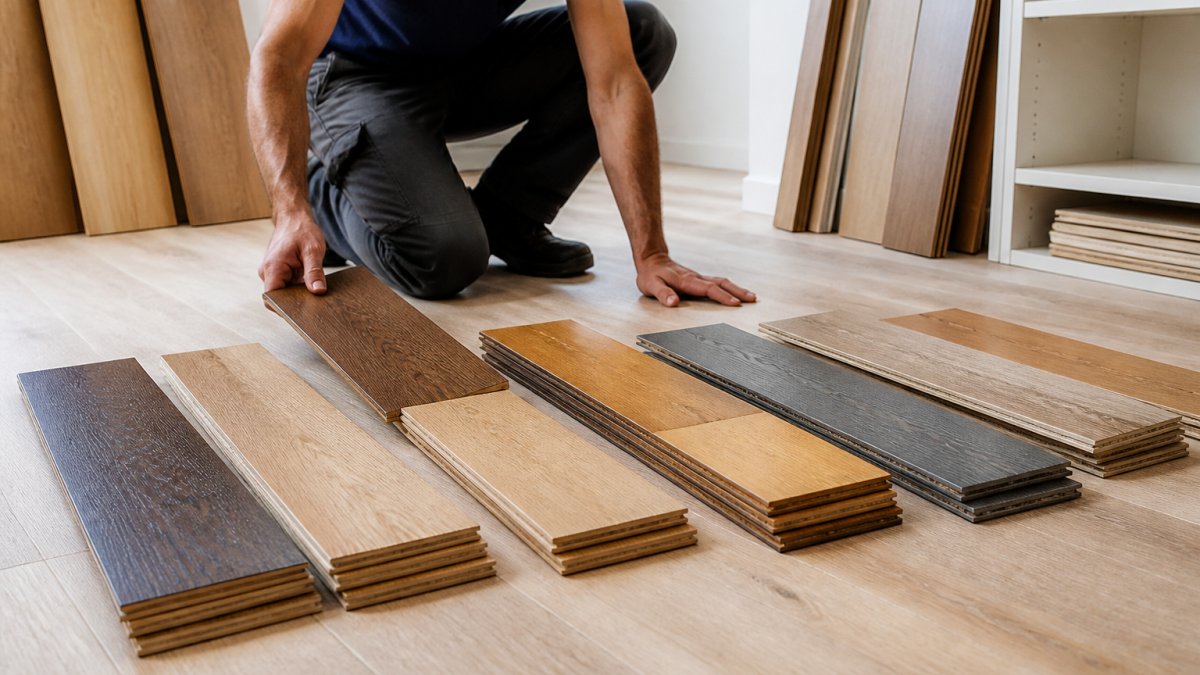
- Material choice. Solid and engineered planks differ in cost, and wide-plank and rift-sawn cuts cost more than standard grades. Ask for material price per square foot and waste factor separately.
How to Normalize Bids Before You Compare
Once bids are in, rewrite each onto the same template.
A fixed bid with a clear change-order process is easier to plan around than an open-ended estimate, even if it is higher on paper.
Pricing depends on your specific scope, so we quote each project individually rather than publishing a rate card. Ask every contractor for a line-item breakdown so you can compare like for like.
Engineered Hardwood Flooring vs Solid: Which Fits Your Home
Engineered hardwood is a real wood top layer bonded to a plywood core, and it handles humidity swings better than solid wood in most homes. Solid hardwood is a single piece of wood, can be sanded and refinished more times, and adds structural rigidity underfoot.
Choose engineered when:
- Your home sits over a basement, crawlspace, or slab with moisture variation
- You want wide planks, which are more dimensionally stable in engineered form
- Radiant heat is part of the plan
Choose solid when:
- You want the longest possible refinishing life
- The subfloor is sound and moisture is controlled
- You prefer the sound and feel of a single-piece board
Both need proper acclimation and moisture testing. The material does not replace the prep.
Hardwood Floor Installation Timeline From Quote to Final Walkthrough
A typical hardwood floor installation runs one to three weeks for most residential projects, depending on square footage, material lead times, and whether the floor is site-finished.
- Estimate and scope (day 1). On-site measurement, subfloor inspection, and a written line-item quote.
- Material selection and ordering. Species, grade, and finish confirmed; lead times vary by product.
- Acclimation. Planks rest in the home so they adjust to indoor conditions.
- Moisture testing and prep. Subfloor readings recorded, leveling and patching completed.
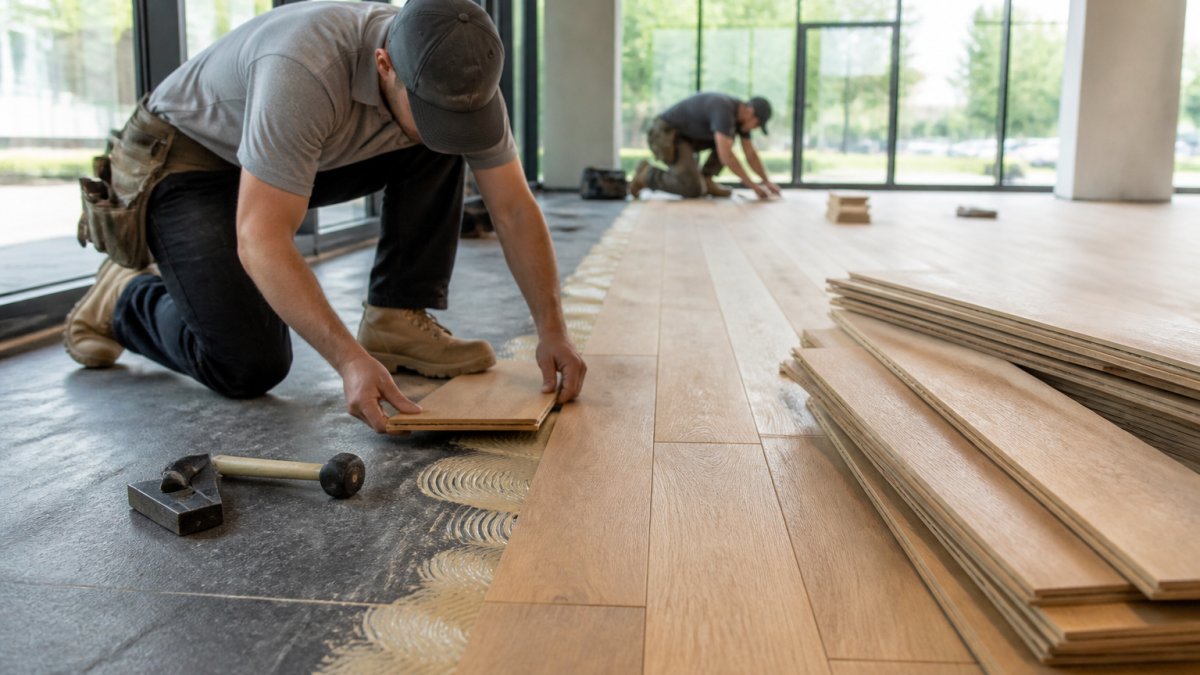
- Installation. Planks laid, nailed or glued per the material, transitions fitted.
- Sanding and finishing (site-finished only). Multiple coats with dry time between.
- Final walkthrough. We walk the floor with you, review care instructions, and document the finished result.
Coordination with other trades matters: if a remodel runs alongside the flooring, the schedule must account for paint, trim, and cabinet delivery.
National Wood Flooring Association guidance on wood flooring installation and moisture covers the technical standards contractors should be following on acclimation and moisture content.
Frequently Asked Questions
How do I compare hardwood flooring contractors fairly?
Compare on the same criteria across every bid: written scope, material specifications, moisture testing, installation method, timeline, and warranty terms. Ask each contractor for references from projects similar to yours and photos of finished work. A Slaughterbeck Floors alternative should give you a like-for-like quote, not a single lump sum. Request itemized pricing so you can see labor, materials, removal, and finishing separately, then compare those line items directly.
What should a flooring installation estimate include?
A complete estimate lists square footage, material brand and grade, removal and disposal of old flooring, subfloor prep, moisture testing, trim and transitions, and finish coats if refinishing. It should also state the project schedule and payment terms. If an estimate only shows one total number, ask for a breakdown. For hardwood flooring installation cost clarity, request separate lines for labor and materials so you can compare bids on the same basis.
Is engineered hardwood worth the investment?
Engineered hardwood flooring holds up well in rooms with humidity swings because its layered core resists movement better than solid planks. It also works over concrete slabs and with radiant heat. The trade-off is that it can only be refinished a limited number of times depending on wear layer thickness. If you plan to stay long term and want multiple refinishes, solid wood may suit you better. Ask your contractor which option fits your subfloor and moisture conditions.
How long does hardwood floor installation take?
Most single-room installations run a few days, while whole-home projects can take one to three weeks depending on square footage, subfloor prep, and drying time for finishes. The hardwood floor installation timeline also includes acclimation, which lets planks adjust to your home's humidity before install. Ask your contractor for a written schedule with milestones, and confirm how cure time affects when you can move furniture back in.
Choosing a flooring contractor is really a decision about communication. The materials are similar across providers; the difference shows up in who tests the subfloor, who answers the phone mid-project, and who returns if a board lifts a year later. Freddie Sanchez Hardwood Floors offers expert wood floor installation, high standards of craftsmanship and durability, and constant communication from quote through final walkthrough. Get a free quote and see the scope in writing before you commit.