 how-to
Why New Hardwood Floors Gap: Causes and Fixes
Table of Contents
- Understanding Why New Hardwood Floors Gap
- Hardwood Floor Humidity and Moisture Control
- Hardwood Floor Moisture Testing and Diagnosis
- Normal Seasonal Gaps Versus Installation Defects
- Hardwood Floor Expansion Gap Requirements
- How to Fix Gaps in Hardwood Floors
- Prevention and Long-Term Floor Care
- Frequently Asked Questions
Last Updated: October 13, 2026
Understanding Why New Hardwood Floors Gap
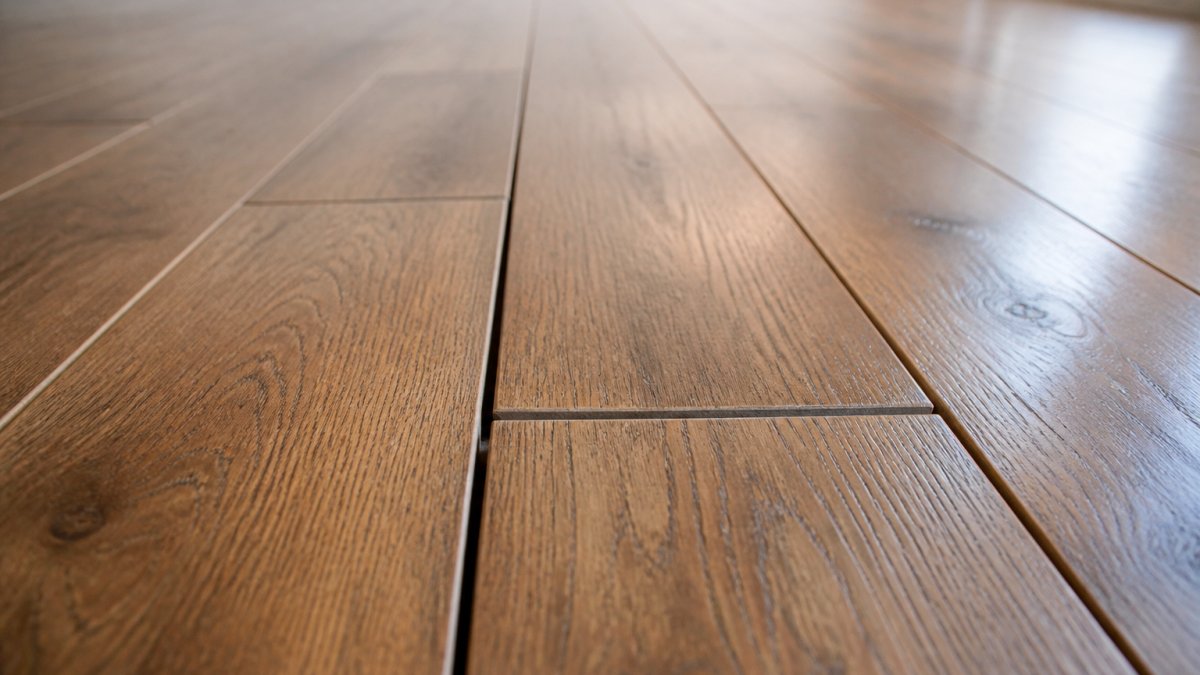
New hardwood floors gap because wood is a living material that expands and contracts with changes in humidity and temperature. This movement is normal and expected. Understanding why gaps form is the first step to managing them.
When moisture levels in your home change, the wood absorbs or releases moisture, causing boards to swell or shrink.
The key question isn't whether gaps will appear, but whether they're normal seasonal movement or a real problem, that determines whether you repair now or wait and monitor.
Wood Movement and Seasonal Changes
Wood expands when humidity rises and contracts when it drops, moving along the board's width, not its length.
Seasonal changes drive most of this movement: winter heating dries indoor air, summer humidity adds moisture. New floors show gaps more because the wood is adjusting to your home's climate for the first time.
This is why new hardwood floors gap more noticeably in the first year. Once the wood stabilizes, gaps may shrink in humid seasons and reappear in dry ones, but movement usually becomes less dramatic.
Humidity Fluctuations During Acclimation
Acclimation lets hardwood adjust to your home's humidity and temperature before installation. It reduces, but doesn't eliminate, later gap issues.
Many installers acclimate wood 5 to 7 days so it reaches the same moisture content as your indoor air. If acclimation is rushed or skipped, the wood adjusts after installation, causing more dramatic movement and larger gaps.
Even with proper acclimation, new hardwood floors gap because your home's humidity isn't stable year-round. Acclimation matches the wood to current conditions, not future ones; when seasons change, the wood responds again.
Hardwood Floor Humidity and Moisture Control
Managing indoor humidity is the most effective way to minimize gaps. Wood thrives at 35% to 55% relative humidity. Below 30%, wood shrinks and gaps widen; above 60%, wood swells and boards may buckle or cup.
Your home's humidity fluctuates naturally, winter heating dries the air, summer rain and AC add moisture. The goal isn't to eliminate movement, but to keep it within reasonable limits.
Indoor Climate and Relative Humidity Ranges
Below 30% RH, wood shrinks, gaps widen, and boards may crack. Above 60% RH, wood swells, boards press together, and the floor may cup (edges higher than center) or buckle (boards bow upward).
Most homes drift outside this ideal range seasonally:
- Winter heating can drop RH to 20% or lower
- Summer humidity can push RH above 65%
- Basements and crawl spaces often stay damp (high RH)
A digital hygrometer costs $15 to $30 and gives real-time data. Check the room where your new hardwood floors are installed; if humidity stays outside 35-55%, you're creating conditions that promote gapping.
Temperature Swings and Their Effect on Boards
Temperature affects wood less directly than humidity, but it still matters: wood expands slightly when warm and contracts when cool, and temperature changes usually come with humidity changes that drive movement.
Extreme swings amplify the problem. A room swinging from 65°F to 75°F daily with humidity from 25% to 50% will gap more dramatically than a stable environment.
Maintain consistent temperature and humidity year-round:
- Keep your thermostat steady (avoid swings larger than 5°F)
- Use a humidifier in winter to prevent the air from dropping below 35% RH
- Use a dehumidifier in summer if humidity climbs above 55% RH
- Close off rooms you don't use (prevents isolated pockets of extreme humidity)
Hardwood Floor Moisture Testing and Diagnosis
Before deciding whether gaps need repair, measure them and understand what's normal.
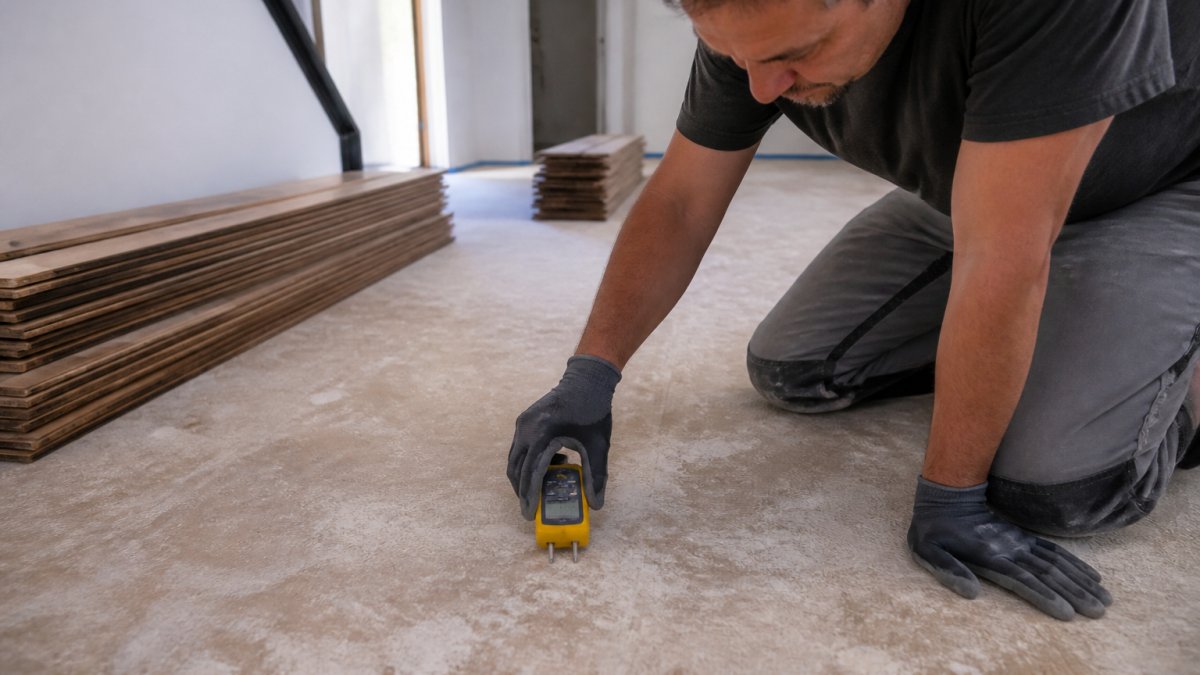
Measuring Moisture Content in New Floors
Moisture content (MC) is the water in wood as a percentage of its dry weight.
When wood is installed, its MC should match your home's indoor humidity.
For most homes, target MC is 6% to 9%, corresponding to 35-55% RH. Above 12% MC, the wood is too wet; below 5%, too dry.
Take readings in several spots. If they vary by more than 2%, the wood hasn't acclimated evenly, wait longer before deciding on repairs.
Assessing Gap Size and Severity
Not all gaps require repair. Small gaps are normal; large or rapidly growing gaps signal a problem.
Measure gaps with a ruler or caliper. Most fall into these categories:
- Hairline gaps (less than 1/16 inch): Completely normal. Ignore them.
- Small gaps (1/16 to 1/8 inch): Normal seasonal movement. Monitor them over one full year before deciding to repair.
- Large gaps (1/8 to 1/4 inch or wider): May indicate installation defects, moisture problems, or wood movement beyond normal range. Document them and consider calling a professional.
If gaps in new hardwood floors widen rapidly (noticeably week to week), that's a warning sign. Gradual widening over months is normal; sudden widening suggests moisture or installation issues.
| Gap Size | What It Means | Action |
|---|---|---|
| Less than 1/16 inch | Normal seasonal movement | Monitor, no repair needed |
| 1/16 to 1/8 inch | Expected in first year | Wait one season, then decide |
| 1/8 to 1/4 inch | Larger than typical, may need repair | Document and assess installation |
| Wider than 1/4 inch | Possible defect or moisture problem | Call a professional |
Normal Seasonal Gaps Versus Installation Defects
The difference between normal and problem gaps comes down to pattern, speed, and severity.
Board Width, Species, and Construction Type
Wider boards gap more visibly: a 5-inch plank shows larger gaps than a 2-inch plank even if both move the same amount, since a board twice as wide shows twice the gap.
Species move different amounts: oak and ash move more than maple or hickory. Engineered hardwood (plywood core with veneer) moves less than solid because the plywood resists moisture changes, so expect fewer gaps.
Installation and Acclimation Checks
Poor acclimation causes excessive gapping. If your installer laid hardwood within a day or two of delivery, the wood didn't acclimate, check your paperwork or ask how long it sat in your home.
Proper installation includes:
- 5 to 7 days of acclimation in the room where the floor will be installed
- Moisture testing of the subfloor before installation
- Proper fastening (nails or staples spaced 8 to 12 inches apart)
- Expansion gaps around the perimeter (discussed below)
If your installer skipped these steps, excessive gapping is more likely. This doesn't mean the floor is ruined, it often means the wood needs more time to stabilize, or repairs may be necessary later.
Hardwood Floor Expansion Gap Requirements
Building codes and flooring standards require expansion gaps around the perimeter so the floor can expand without buckling into walls or baseboards.
Perimeter Expansion Space and Baseboard Clearance
Expansion gaps should be 1/2 inch to 3/4 inch around the room's edges, letting the floor move without pressure from walls or cabinets. Baseboards and trim cover them.
Too-small gaps leave no room to expand: as humidity rises, boards swell, press against walls, and the floor buckles. Too-large gaps look unfinished and allow drafts.
Check your floor's perimeter:
- Is there visible space between the floor edge and the wall?
- Does the baseboard cover this space completely?
- Are there any pinched areas where the floor is touching the wall?
Pinched areas or baseboards pressing tightly against the floor mean the expansion gap may be insufficient, an installation defect to correct before the floor settles further.
How to Fix Gaps in Hardwood Floors
If gaps in your new hardwood floors are large, persistent, or growing, repair options exist. But timing matters. Moving too fast can be a mistake.
Step 1: Monitor Gaps Over One Full Season
Before spending on repairs, wait and watch. Document gap sizes with photos and measurements, track room humidity and temperature, and wait at least three months, ideally a full season.
Most gaps shrink or stabilize after the first season as the wood fully acclimates. If they shrink significantly, repair may not be necessary; if they stay stable or grow only slightly, they're likely normal.
Only proceed to repair if:
- Gaps are consistently larger than 1/8 inch
- Gaps aren't shrinking after a full season
- Gaps are growing rapidly (which suggests ongoing moisture problems)
Step 2: Stabilize Indoor Humidity Before Repair
If you decide to repair, first stabilize humidity. Fill gaps only when humidity is stable: filler applied in a dry season may shrink, and filler applied in a humid season may crack as the wood shrinks later.
Aim for 35% to 55% RH in the room:
- Humidifier in winter if RH drops below 35%
- Dehumidifier in summer if RH climbs above 55%
- Let humidity stabilize at least two weeks before repairs
Take moisture readings with a meter; when MC is stable day to day, you're ready to fill gaps.
Step 3: Choose the Right Repair Method
For small gaps (under 1/8 inch), wood filler is standard. For larger gaps, you have options.
Wood filler: Use a color-matched filler, apply with a putty knife, overfill slightly, and sand flush once dry.
Toothpicks or wooden dowels: For gaps wider than 1/8 inch, some installers drive thin wooden pieces into gaps and sand flush.
Floor sanding and re-finishing: For very large or widespread gaps, sanding and refinishing may be needed. This is expensive and a last resort.
Acceptance: Many homeowners accept small gaps as part of owning hardwood.
Step 4: Know When to Call a Professional
Call a professional if:
- Gaps are wider than 1/4 inch
- Gaps are paired with cupping, buckling, or cracking
- Gaps are growing rapidly despite stable humidity
- You suspect moisture problems in the subfloor or crawl space
- You're unsure whether gaps are normal or indicate a defect
We prioritize clear communication about your floor and your options.
Prevention and Long-Term Floor Care
The best approach to gaps in new hardwood floors is prevention. Proper installation, acclimation, and humidity control minimize problems before they start.
Control humidity year-round. Invest in a humidifier and dehumidifier if your climate swings between extremes. Check humidity monthly with an inexpensive hygrometer.
Maintain consistent temperature. Avoid heating or cooling rooms unevenly. Close off unused rooms to prevent isolated humidity pockets.
Monitor your floor in the first year: photograph and measure gaps monthly to establish a baseline. Most gaps stabilize or shrink after the first season.
If you're concerned about gaps in new hardwood floors or unsure whether they're normal, consult the National Wood Flooring Association guidelines on wood movement. At Freddie Sanchez Hardwood Floors, we help homeowners understand what's normal and what needs attention. Get a Free Quote to have your floor assessed by our team, and we'll explain exactly what you're seeing and what your options are.
Frequently Asked Questions
Should a new hardwood floor have gaps?
Small gaps in new hardwood floors are normal. Wood naturally expands and contracts with humidity changes. Gaps under 1/8 inch between boards are typically acceptable and expected during seasonal transitions. However, gaps wider than 1/4 inch, gaps that grow progressively, or gaps appearing only in certain rooms may indicate installation problems or moisture issues that warrant professional inspection.
Can gaps in a new hardwood floor close when humidity rises?
Yes. Gaps often close partially or completely when humidity levels increase, as wood absorbs moisture and expands. This is normal wood movement. However, gaps should not close entirely, as boards need space to expand without buckling. If gaps disappear completely during humid months, it may signal improper installation spacing or future cupping issues when humidity drops again.
How do I know if gaps in my new hardwood floor are normal or a defect?
Normal gaps appear gradually over the first few months, are consistent across the floor, and vary with seasons. Defects show as sudden large gaps, gaps concentrated in one area, gaps wider than 1/4 inch, or gaps that worsen over time despite stable humidity. Use a moisture meter to check wood content and measure gaps with a ruler. Document photos and timing, then contact your installer if gaps exceed normal ranges or appear only in problem areas.
When should I contact my flooring installer about gaps in new hardwood floors?
Contact your installer if gaps exceed 1/4 inch, appear within the first month before acclimation is complete, are concentrated in one room while others are fine, or continue widening despite stable humidity levels. Most installers offer a warranty period (typically 1-2 years) covering installation defects. Early communication protects your warranty and allows the installer to assess whether gaps are normal movement or installation error.