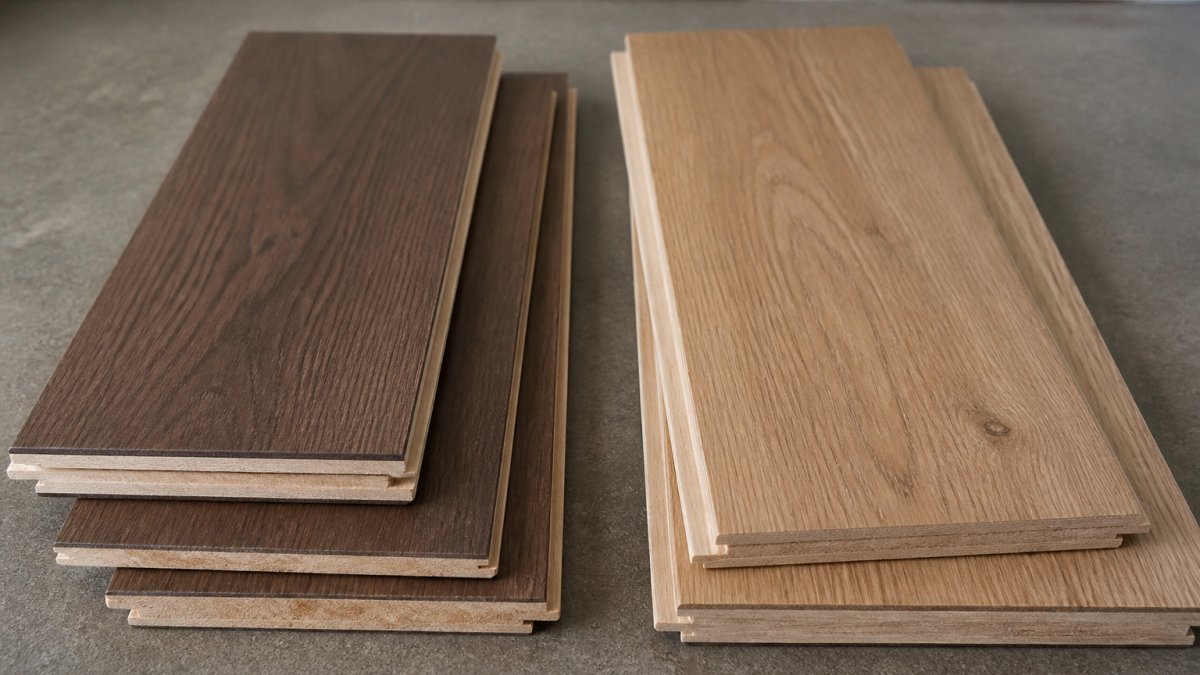
 comparison
7 Best Wood Species for Stable Flooring That Last
Last Updated: November 12, 2026
Quick Summary
White oak is the best wood species for stable flooring in wet or heavy-use stalls because it is dense, dimensionally stable, and naturally decay resistant. Southern Yellow Pine is the softwood standard for standard stalls and aisles, while red oak suits dry stalls. Match the species to your barn's moisture and traffic conditions.
- White oak outperforms red oak in damp stables thanks to closed-cell structure and natural decay resistance.
- Southern Yellow Pine needs sealing on all six sides because it moves noticeably with humidity swings.
- Cottonwood suits only dry stalls with light use and should never get wet from urine or wash water.
- Specify a nominal 2-inch board for stall floors, with thinner stock for aisles or dry stalls.
- Slope the base toward a drain, since skipping the slope ruins more wood stall floors than species choice.
Table of Contents
- Why Wood Species Decides How Long Your Stable Flooring Lasts
- The Best Wood for Horse Stalls: A Species-by-Species Comparison
- Lumber Grades, Board Thickness, and Tongue-and-Groove Construction
- Picking the Best Material for a Horse Stall Floor by Use Case
- Horse Stable Flooring Materials and Drainage: Making Them Work Together
- Horse Stall Drainage Systems That Protect a Wood Floor
- Wood Treatments, Moisture Control, and Horse-Safe Material Selection
- Planning Your Stable Floor Installation with Freddie Sanchez Hardwood Floors
- Frequently Asked Questions
Why Wood Species Decides How Long Your Stable Flooring Lasts
Choosing the right wood species is the single most consequential decision in stable flooring.
Species selection drives everything downstream. A stall floor faces standing moisture, abrasive bedding, concentrated loads, and ammonia. The species you pick sets the ceiling on performance before a single board is fastened.
Below, we compare the leading options, explain the lumber grades and construction details that matter, and show how to match a species to your barn's conditions.
The Best Wood for Horse Stalls: A Species-by-Species Comparison
The best wood for horse stalls balances impact resistance, dimensional stability under moisture, and enough surface texture for traction. No single species wins on all three, so the right choice depends on your climate and use intensity.
| Species | Type | Strength & Wear | Moisture Behavior | Best Use |
|---|---|---|---|---|
| Southern Yellow Pine | Softwood | High bending strength for a softwood; long fibers resist cracking under load | Moves noticeably with humidity; needs sealing on all six sides | Standard stalls, aisles |
| White Oak | Hardwood | Very hard, dense, impact resistant; tight grain | Good dimensional stability; natural decay resistance | Heavy-use stalls, wet stalls |
| Red Oak | Hardwood | Hard and wear resistant | Moderate stability; moves more than white oak | General stall flooring |
| Cottonwood | Hardwood | Softer, lower wear resistance | Prone to movement; not for wet stalls | Dry stalls, light use |
| Ash | Hardwood | Strong with good shock resistance | Moderate stability | Stall floors, aisles |
| Exotic hardwood | Hardwood | Very dense, high wear resistance | Varies widely by species; verify moisture behavior | High-traffic aisles |
Southern Yellow Pine: The Softwood Standard
Southern Yellow Pine is the workhorse of American barn construction. Its long fibers give it bending strength rivaling many hardwoods, so boards resist cracking under a horse's weight, and it takes fasteners well. The trade-off is moisture movement: it expands and contracts noticeably as humidity swings, so boards need proper spacing and a protective finish on all faces, including edges and ends.
White Oak and Red Oak: The Hardwood Workhorses
White oak and red oak are the two hardwoods most often specified for stall floors. White oak is denser and more dimensionally stable, making it the stronger pick for wet stalls and heavy horses; its closed-cell structure slows moisture uptake, and natural extractives give it decay resistance that red oak lacks. Red oak is harder than pine and widely available, though it moves more than white oak and has little natural decay resistance, so it depends more heavily on sealing and drainage.
Cottonwood, Ash, and Exotic Hardwoods: Where They Fit
Cottonwood is soft, suited only to dry stalls with light use; it dents under concentrated hoof loads and should not be used where urine or wash water reaches the floor. Ash offers good shock resistance for stall floors and aisles, though it is less decay resistant than white oak. Exotic hardwoods bring high density and wear resistance, but stability varies widely by species, so verify moisture behavior and ask for a species-specific shrinkage figure before committing.
What the Numbers Actually Tell You
Species recommendations only hold up when you look at the properties behind them. Compare four measures: hardness, bending strength, dimensional movement, and decay resistance. Rather than trusting a single "hardest wood" ranking, ask your supplier for published values and compare them on the same scale. A very hard wood that moves heavily will still cup and gap in a wet stall; a softer wood that is stable and well-sealed can outlast it.
Matching Species to Your Barn's Conditions
Use the comparison as a starting filter, then narrow by conditions. In a humid climate or a barn with wash-down traffic, weight dimensional stability and decay resistance above raw hardness, which points to white oak. In a dry barn with light use, Southern Yellow Pine or red oak delivers the best balance of strength and cost. For aisles with constant hoof traffic but little standing water, a dense exotic or ash makes sense.
Lumber Grades, Board Thickness, and Tongue-and-Groove Construction
Lumber grade tells you how many defects a board carries, and defects are where stall boards fail first. Higher grades have fewer knots and checks, which means fewer weak points under load. For stall flooring, specify a grade with minimal knots and straight grain.
Board thickness matters just as much: thicker boards resist deflection and spread a horse's weight more evenly. Tongue-and-groove construction locks boards together, prevents gaps from opening, and keeps bedding and waste from sifting between planks.
Picking the Best Material for a Horse Stall Floor by Use Case
The best material for a horse stall floor depends on how hard the stall will be used. Match the species to the job rather than defaulting to the hardest wood on the list.
- Standard box stalls: Southern Yellow Pine, sealed, gives a good balance of strength and suitability for the job.
- Heavy-use or wet stalls: White oak handles moisture and impact best.
- Dry stalls, light traffic: Cottonwood or red oak suits light use.
- High-traffic aisles: Dense exotic hardwoods resist wear longest.
If you are weighing species against broader durability criteria, our guide to choosing durable wood for high traffic walks through how to match a species to heavy-use conditions. For a wider species comparison before you decide, see our rundown of the best wood species for hardwood flooring.
Horse Stable Flooring Materials and Drainage: Making Them Work Together
Horse stable flooring materials and drainage succeed or fail as a system. Wood is only as good as the drainage beneath it: water that pools under a stall floor will find the boards, no matter how well they are sealed. Installing a beautiful wood floor over a base that cannot shed water is a common mistake. The base, the slope, and the drainage path determine whether moisture ever reaches the wood. Plan drainage before you choose boards, not after.
Installation Details That Decide Whether the Floor Stays Stable
Dimensional stability is not just a species property; it is also an installation outcome. These details matter as much as the species you pick.
- Subfloor preparation: The base must be level, compacted, and dry before boards go down. An uneven or damp base telegraphs movement into the boards, so cupping and gapping appear even in a stable species.
- Board thickness: Thicker boards resist deflection and spread weight more evenly. Most practitioners specify a nominal 2-inch board for stall floors, with thinner stock for aisles or dry stalls.
- Spacing and expansion gaps: Leave a small gap between boards and at perimeter walls so the floor can move as humidity changes. Butting boards tight causes buckling in humid weather.
- Fastening: Use fasteners rated for treated or damp environments, set so they do not create a raised edge that can catch a hoof. Fasten tongue-and-groove boards through the tongue so the surface stays clean.
- Ventilation: Air movement under and around the floor lets moisture escape. A floor sealed on all six sides but trapped over a damp, unventilated base will still rot from below.
- Drainage slope: The base should slope toward a drain or outlet so liquid moves away from the wood. Skipping the slope ruins more wood stall floors than any species choice.
Drainage Systems That Protect a Wood Floor
Horse stall drainage systems exist to move water away from the wood before it can soak in. The most protective setups combine a sloped base, a drainage layer, and a surface that lets liquid pass while keeping bedding in place. Crushed limestone bases are common because they drain well and stay stable under load. Some barns use rubber mats over a drained base, with wood confined to aisles or dry stalls.
Moisture Control at the Board Level
Sealing all six sides of each board slows moisture uptake and reduces cupping, but sealing is not a substitute for drainage. A sealed board over a wet base will still take on moisture from below. Control moisture at three levels: the base (slope and drain), the board (seal all faces), and the stall (ventilation and bedding management). When all three work together, even a moisture-sensitive species like Southern Yellow Pine can deliver years of service; when any one fails, even white oak will cup and rot.
Horse Stall Drainage Systems That Protect a Wood Floor
Horse stall drainage systems exist to move water away from the wood before it can soak in. The most protective setups combine a sloped base, a drainage layer, and a surface that lets liquid pass while keeping bedding in place.
Wood Treatments, Moisture Control, and Horse-Safe Material Selection
Moisture control separates a wood stall floor that lasts from one that cups and rots within a few seasons. Wood moves as humidity changes, and a stall is a humidity trap.
Horse-safe material selection matters here too. To understand how moisture causes boards to cup and how to prevent it, read our guide to preventing hardwood floor cupping. For practical ways to check moisture before and during installation, see our hardwood floor moisture testing methods.
Planning Your Stable Floor Installation with Freddie Sanchez Hardwood Floors
A stable floor is only as stable as the subfloor beneath it. An uneven or damp base telegraphs movement straight into the boards above.
Freddie Sanchez Hardwood Floors focuses on craftsmanship and durability, and keeps customers informed from start to finish. Subfloor prep is a big part of that: our guide to subfloor preparation for hardwood installation explains what a sound base requires.
If you are planning a stable or barn floor and want the species, drainage, and installation handled as one coordinated project, contact Freddie Sanchez Hardwood Floors for a free quote.
The hardest part of stable flooring is not picking a species. It is coordinating species, drainage, moisture control, and installation so they work together instead of against each other.
Frequently Asked Questions
Is oak or pine better for horse stall flooring?
Oak wins on strength and impact resistance, which matters for horses that paw or kick. White oak also handles moisture better than most softwoods. Pine, particularly Southern Yellow Pine, costs less and is easier to replace board by board, so it suits lower-traffic barns or budget builds. Match the species to how hard the stall gets used, then invest in good drainage either way, because no wood species survives standing water.
How thick should wood be for a horse stall floor?
Two-inch nominal lumber is the common starting point for stall boards because it carries a horse's weight without flexing much. Thinner boards can work over a solid base but tend to cup and wear faster under hooves. Pair thickness with a tongue-and-groove edge so boards support each other, and set them over a compacted, drained base rather than bare soil.
Does a horse stable floor need drainage?
Yes. Urine and wash water will reach the floor no matter how much bedding you use, and trapped moisture is what rots wood and softens it under load. Slope the base, use crushed limestone or gravel under the boards, and plan a drainage path before installation. Horse stable flooring materials and drainage work as one system; getting the wood right but skipping drainage shortens the floor's service life.
How do you keep wood stable flooring from rotting?
Keep water moving away from the wood. That means a sloped, permeable base, adequate bedding, and prompt removal of wet spots. Choose a decay-resistant species such as white oak or a properly treated softwood, seal cut ends, and avoid trapping moisture under rubber mats without ventilation. Inspect boards near water buckets and doors each season, since those spots fail first.